

When it comes to addressing home projects, your floors are probably one the last things that comes to mind. They are right there underneath your feet all day long, but they often go unnoticed as you worry about broken appliances, unreliable thermostats and anything that could go wrong on a daily basis.
However, your floors will eventually start giving you signs that it’s time for either a facelift or a complete removal and replacement with a more reliable flooring material.
Read on to learn a few of the signs that your floors need a replacement and why epoxy or polyaspartic floor coatings are a great replacement choice.
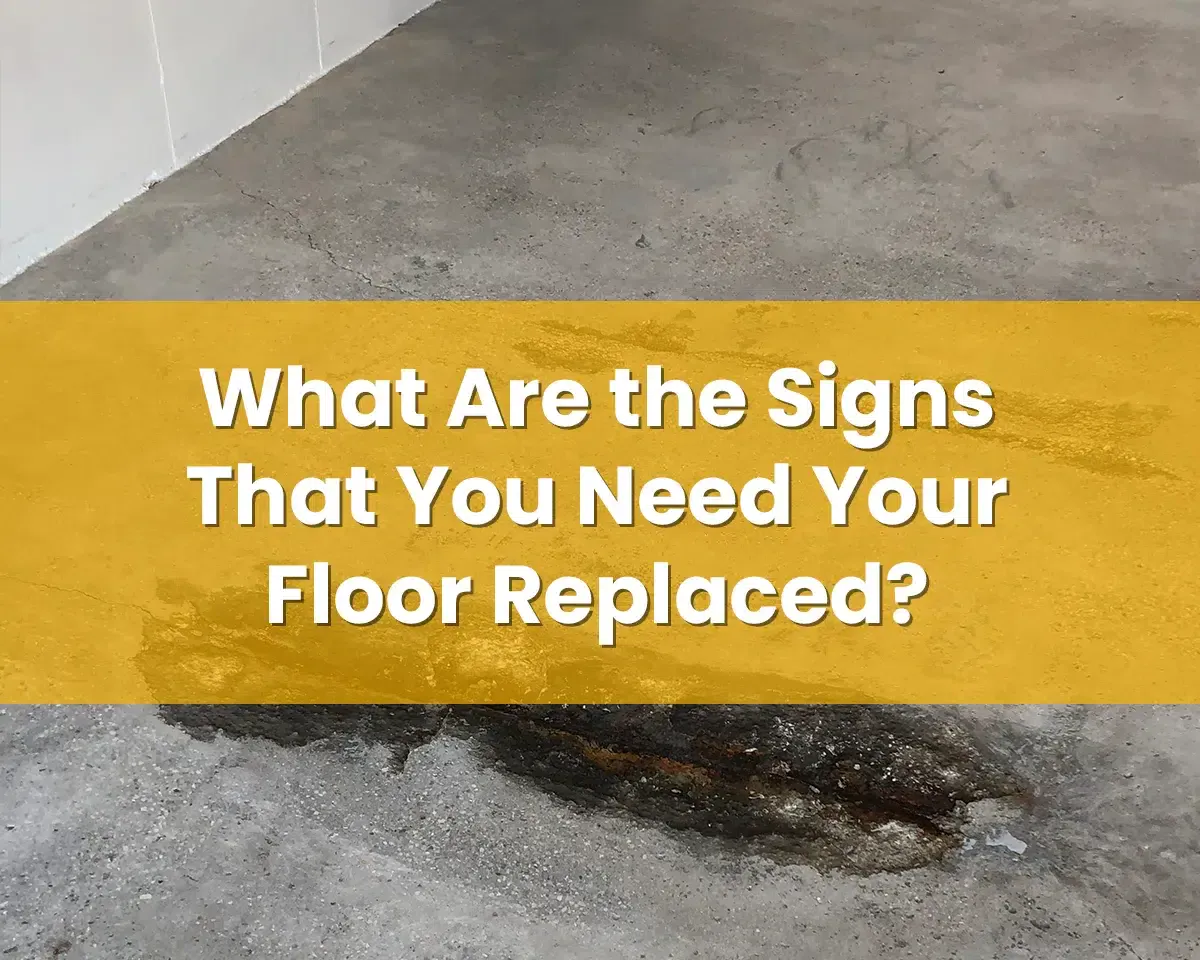
The Effects of Water Damage on Floors
There is water all around us on a daily basis, so it is no surprise that water damage is one of the most common reasons for floor replacements. You have pipes running under your feet and behind your walls that are carrying water to and from your home whenever you need it! While that is certainly a privilege to have easy access to running water, it can also be problematic once it starts to leak where it shouldn’t.
Unfortunately, vulnerable flooring materials like carpet and hardwood don’t stand up very well against water intrusion. Hardwood is known to soak up moisture and it can buckle, warp or swell almost immediately. Carpets can also absorb moisture and it can be really difficult to remove completely on your own. This residual moisture can lead to stubborn mold problems that impact your entire home. The longer the water damage lingers, the worse it will get for your floor. Eventually, the entire area will need to be ripped up and replaced.
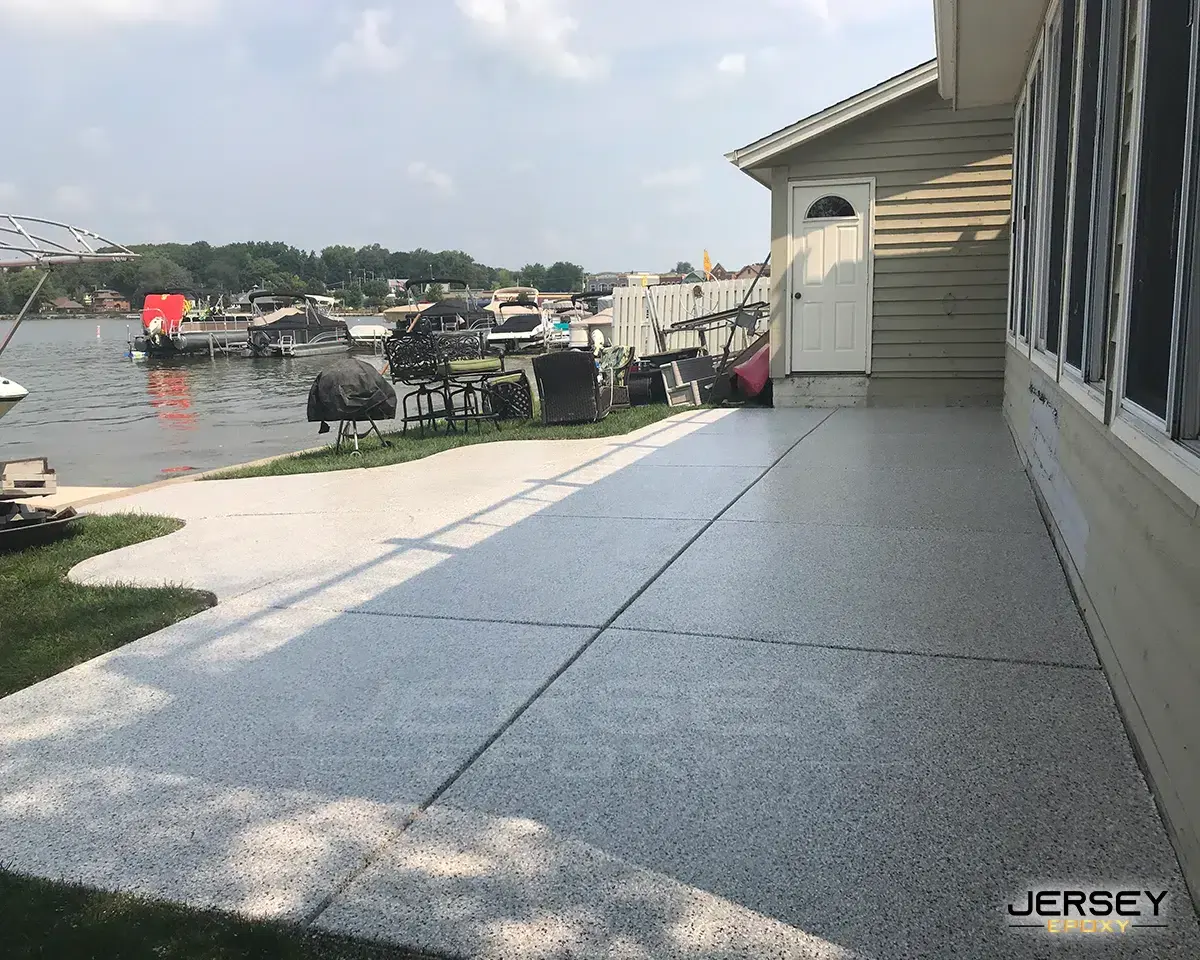
The good news is that resin-based floor coatings like epoxy and polyaspartic are non-porous, meaning that they don’t absorb water or other chemicals. If you install epoxy in your space, you can rest assured that your floor will withstand the elements, appliance malfunctions and the demands of daily life without warping or harboring mold.
Stubborn Stains
There is nothing worse than having a stain on your floor that you can’t get up. There are all kinds of reasons for your floor to become stained, but it doesn’t make the situation any easier! Spills and accidents are a normal part of life, and unfortunately, many flooring materials are not built to withstand contact with water, chemicals or other liquid substances. For example, carpet will quickly absorb the spill and it will soak into the fibers and even into the carpet pad below. Depending on the stain and how long it has been left to sit, it might be impossible to completely remove yourself.
The same goes for vinyl or laminate flooring. These porous materials will also absorb a certain amount of liquid, and depending on what spilled, it might result in a permanent stain. In these cases, replacing a section or the entire floor will give you a more aesthetically pleasing space.
If you choose to install a epoxy or polyaspartic floor coating to replace your stained material, you will enjoy a stain-free experience from here on out! Resin-based flooring withstands chemicals and other abrasive substances and won’t break down or absorb the liquid over time. As long as you clean up the spill when you notice it, your floors will shine brightly and will avoid permanent stains for years to come.
Squeaking or Noisy Floors
Floors aren’t meant to make annoying sounds! If you know that your floor squeaks at the bottom of your stairs or the area to the right of the fridge cracks when you step on it, chances are that you will eventually need to replace your flooring.
Depending on the flooring you currently have, you could be dealing with humidity issues, loose nails or floorboards or even subfloor issues. Over time, these sounds will continue to get worse if the situation is not remedied. Hardwood floors, vinyl and laminate all have joints where the different tiles or slabs come together, and that increases the likelihood of floor noises as your floor gets older.
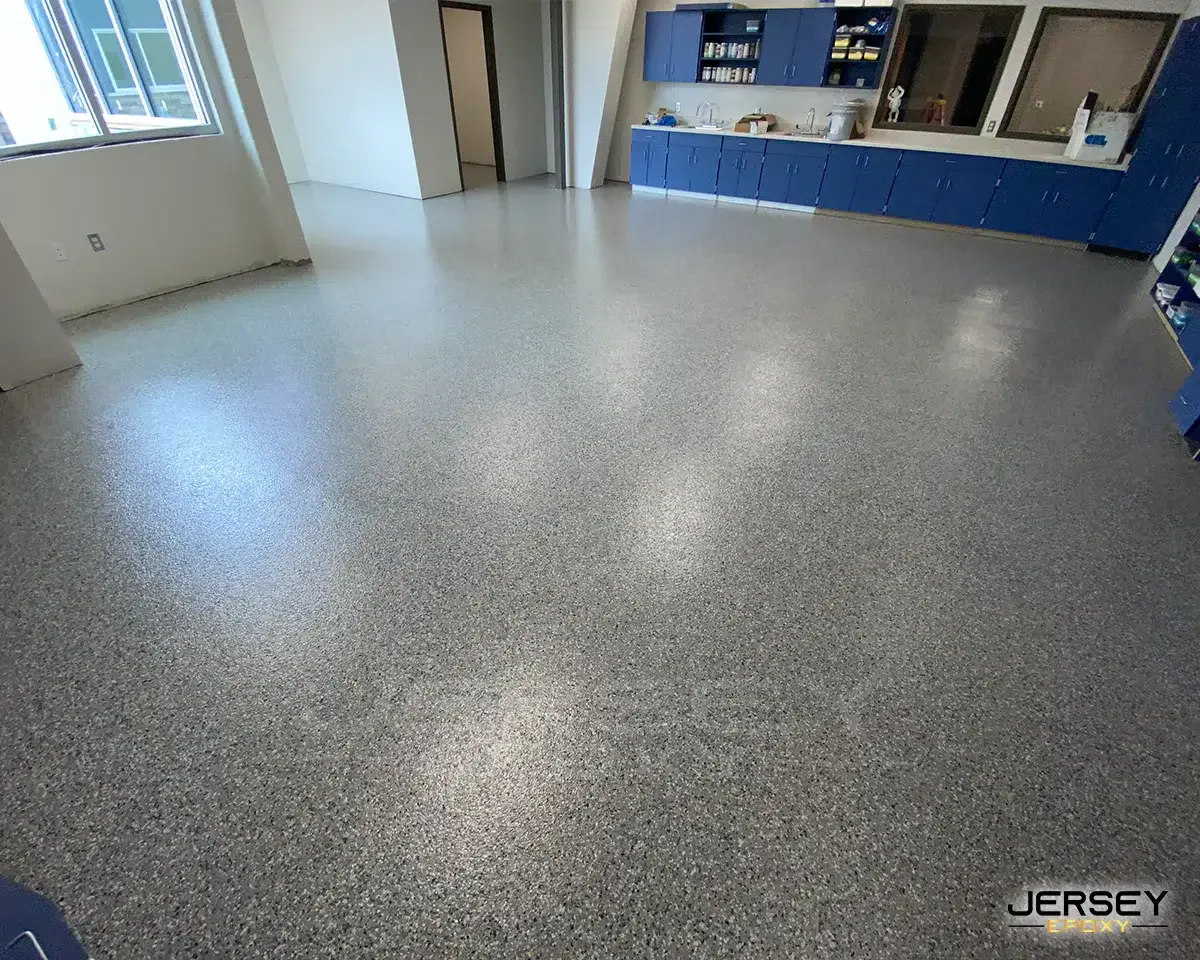
The same cannot be said for epoxy! Epoxy and polyaspartic compounds result in one uniform finish. There are no joints to rub together or loose nails or boards to come apart over time. This solid, sturdy floor coating will allow you to move around your home or property quietly without having to worry about squeaking or creaking.
Sagging or Squishy Floors
One of the most concerning signs of floor damage is if your floors start to sag or become squishy in parts of your home. All homes settle over time and humidity issues can temporarily swell or warp wood, but constant sag issues can mean that you are dealing with a subfloor issue or an underlying mold or rot problem underneath your floors.
This problem will only continue to get worse as the rot spreads or the subfloor continues to give way. It can even become dangerous to move around your home! Ripping out your floor and attending to the issue underneath is your first priority. After that, installing a polyaspartic or epoxy flooring coating will ensure the issue is a thing of the past. Once cured, resin-based flooring doesn’t sag and develop squishy spots because they are impermeable to water, mold, and other foreign substances. They will continue to be rock hard and reliable for decades after the initial installation.
Installing Epoxy or Polyaspartic Flooring
Once you determine that a removal and replacement is necessary for your aging or deteriorating floor, the best choice is to go with an epoxy or polyaspartic floor! A professional flooring contractor can help you make the best decision of which type to go with based on your property’s layout and particular needs.
After that, your base floor will be prepped and cleaned, and then your customized floor will be installed expertly for optimal curing. Once the compound is completely dried, you can enjoy decades of use without having to worry about it breaking down prematurely.
Ready to install a floor that will last? Call Jersey Epoxy today at (877) 376-9965 to schedule your epoxy or polyaspartic flooring installation.

Can You Install Epoxy in a Condo Garage Floor in Winter?
When you manage a condo complex or a multi-unit property in New Jersey, maintaining shared
Read More »
Common Interior Concrete Floor Finishes
When it comes to upgrading your home’s floors, concrete isn’t just for basements and garages
Read More »
Do Polyaspartic Floor Coatings Cure Faster in Cold Weather?
When winter rolls into New Jersey, many homeowners and property managers assume that floor coating
Do Polyaspartic Floor Coatings Scratch Easily?
Do Polyaspartic Floors Scratch Easily? | Jersey Epoxy Do Polyaspartic Floor Coatings Scratch Easily? In
Benefits of Adding a Pool Deck Texture
Benefits of Textured Pool Deck Coatings | Jersey Epoxy Benefits of Adding a Pool Deck

Cool Deck Ideas for Pool Areas
Cool Deck Ideas for Pool Areas | Jersey Epoxy Cool Deck Ideas for Pool Areas