
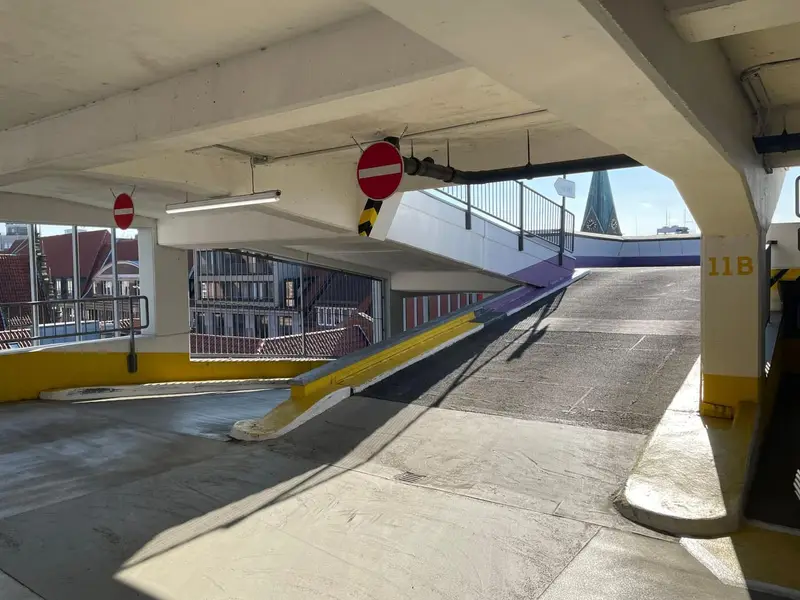
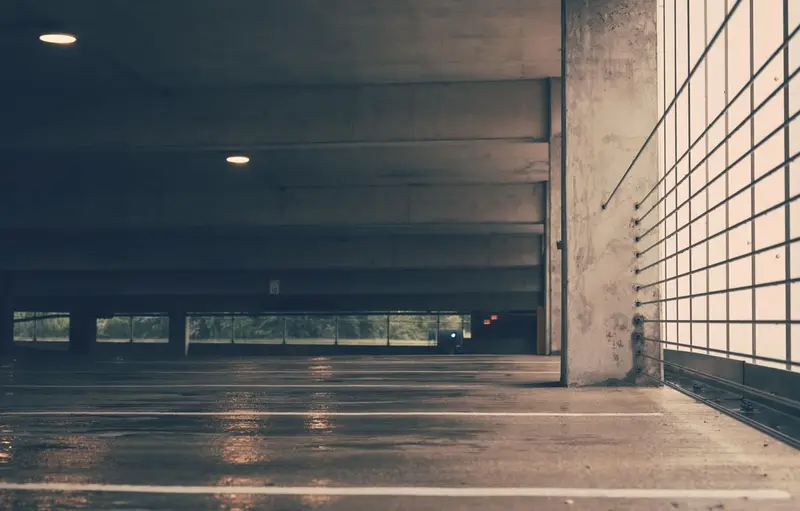
Parking Garage & Traffic Deck Coatings
Waterproofing, traffic-bearing deck coatings for parking structures, ramps, and helical turns across New Jersey and eastern Pennsylvania. Engineered to flex through freeze-thaw, shed road salt, grip turning tires, and keep the levels open while we work.
- Traffic-bearing deck membranes
- NJ + Eastern PA
- 20+ years installing
- Free on-site assessment
- Waterproofs the Structure
- Keeps chlorides & water off the rebar below
- Flexes Through Winter
- Elastomeric systems move with freeze-thaw
- 20+ Years Experience
- Coating concrete across NJ & eastern PA
- Levels Stay Open
- We phase ramp by ramp around your traffic
The parking-deck problem
A bare deck lets winter eat the structure from the top down
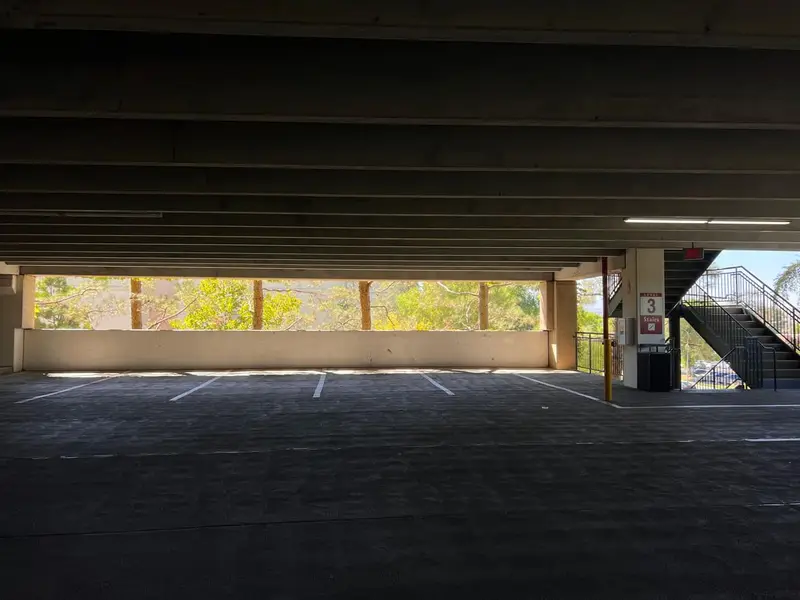
A parking deck is structure you drive on. It carries turning-tire abrasion, point loads, oil and fuel drips, standing water, and a full New Jersey winter of road salt tracked in on every vehicle. On an elevated level, the slab you park on is also the ceiling of the level below, so whatever soaks through does not just stain a floor, it attacks the building.
Chlorides from de-icing salt wick into bare concrete and drive down to the reinforcing steel, where they trigger corrosion. The rust expands, the cover concrete delaminates and spalls, and every freeze-thaw cycle widens the cracks that let in more salt and water. Left unsealed, that loop turns a coating-sized job into a structural repair.
Zone-by-zone
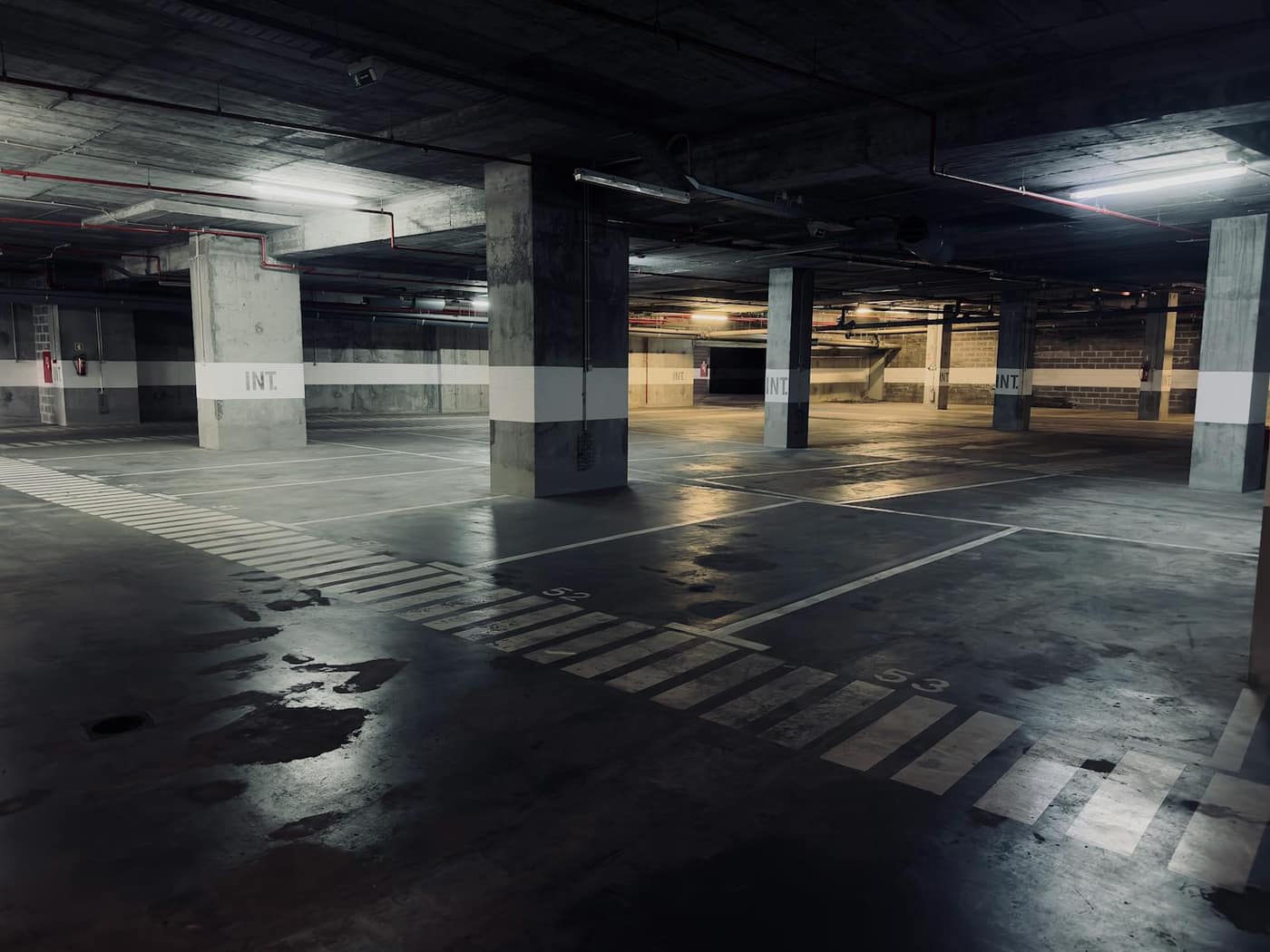
We spec each area of the building for the job it actually does
No single coating is right everywhere. Here is how we read a parking structure and match the chemistry to the punishment.
Material choice
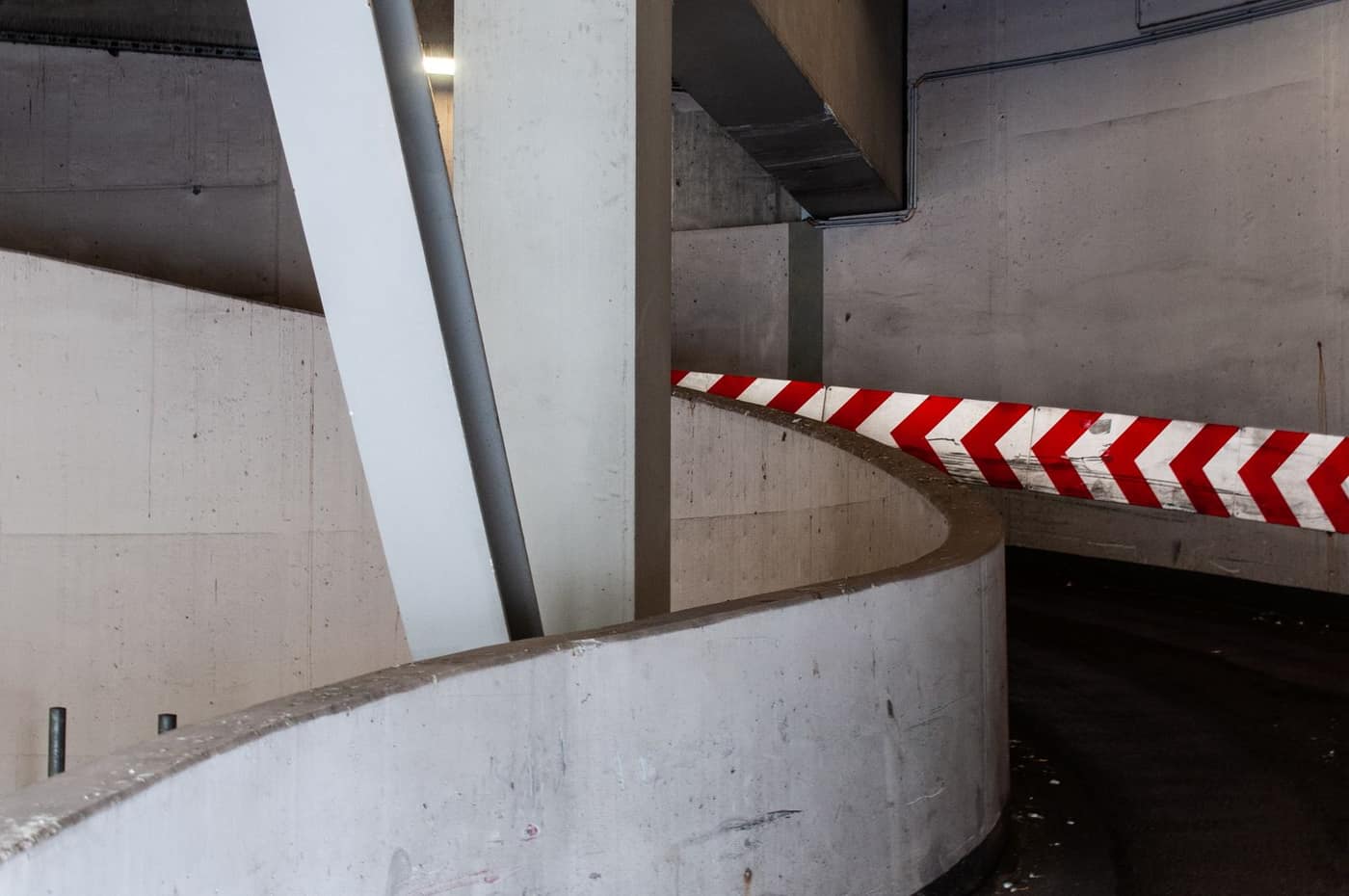
Why a deck needs a membrane, not a floor paint
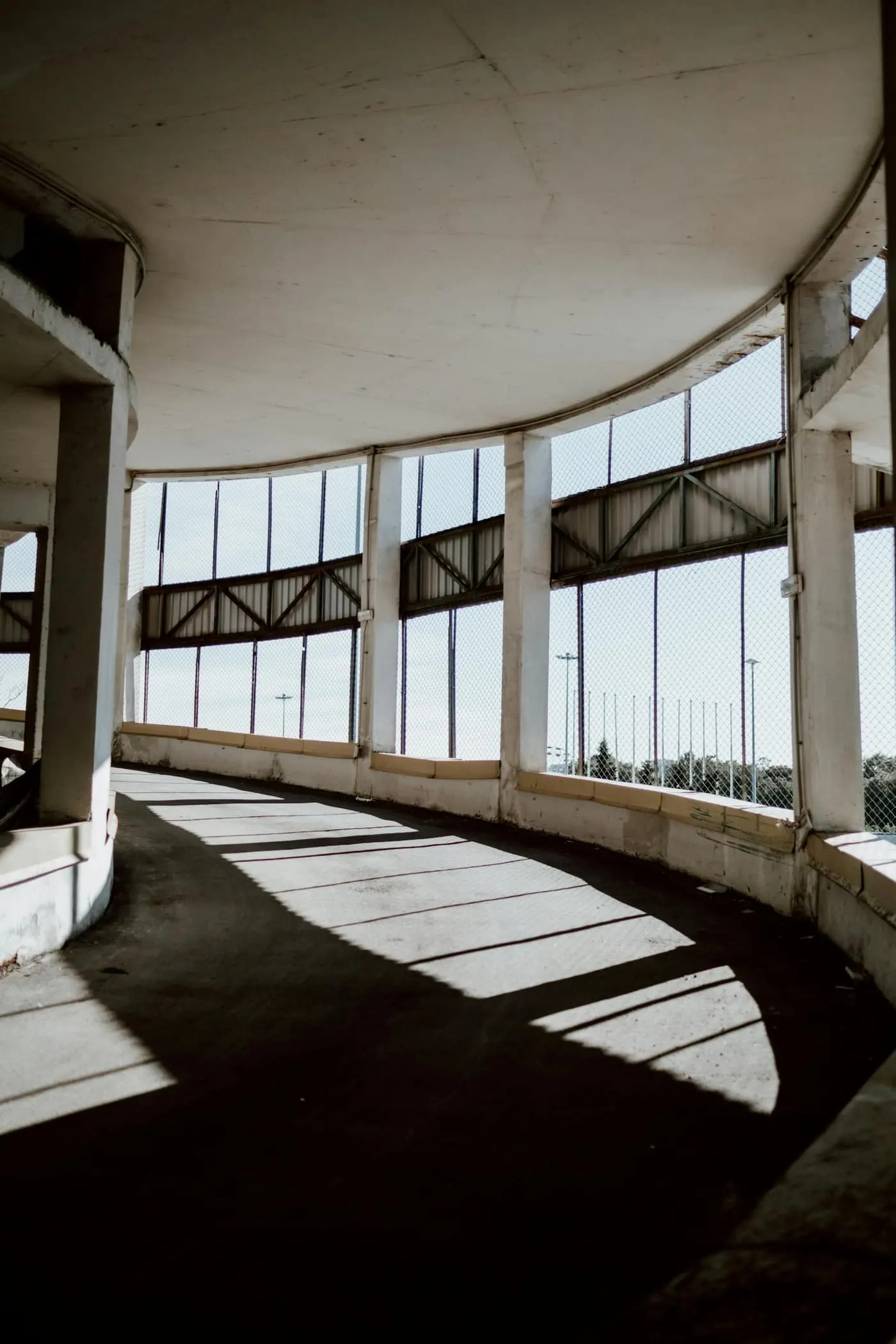
A parking deck system is not one coat. It is built in layers: a flexible, elastomeric base that bridges hairline cracks and waterproofs the slab, then an aggregate-filled wear coat and a UV-stable topcoat that take the tire abrasion and the weather. We profile and repair the deck first, then specify each area for the load, slope, and exposure it actually sees.
The base layer is the part that protects the structure. An elastomeric membrane stays flexible in the cold, so it moves with the slab through freeze-thaw cycling and seals the chlorides and water that corrode rebar out of the concrete. Rigid floor coatings and paints cannot flex or waterproof, so they crack at the joints and let the salt straight back in.
- Flexible waterproofing membrane that bridges hairline cracks and keeps chlorides and water out of the slab and off the reinforcing steel. [ASTM C957 · C836]
- Cold-temperature flexibility so the system moves with the deck through repeated freeze-thaw cycling instead of cracking at the joints. [ASTM C957]
- Skid-resistant aggregate wear coat broadcast heavier on ramps, turns, and helixes where braking and turning-tire shear are worst. [ANSI A326.3]
- UV-stable topcoat for exposed top decks that holds color and integrity in direct sun where standard epoxy ambers. [Sika · Tremco Vulkem]
How it works
From your first call to the final coat
We map the whole job before we touch the floor, then phase the work around your production.
- Free Quote(877) 376-9965No-cost on-site assessmentGet my quote
Call or Contact Us
Tell us about your facility and timeline.
- Walk-through
- Ramps & turns
- Elevated decks
- Top deck
Consultation
A free walk-through and a per-zone floor spec.
- Slab PrepProfiledDry & sound
Preparation
Slab profiled and confirmed dry and sound before coating.
- Sealed
Installation
Seamless system installed, phased around your operations.
Standards & specifications
Built to the standards parking structures are designed to
A parking deck is governed by waterproofing-membrane and parking-structure durability specs, not food or facility certifications. We install traffic-deck systems that can be specified to meet those requirements, name the ASTM, ICRI, and ACI standards behind each layer, and leave the structural calls to your engineer of record.
Vehicular traffic-deck membrane
Vehicular decks are coated with high-solids, cold liquid-applied elastomeric waterproofing membranes, specified to ASTM C957 where the system has an integral wearing surface, or ASTM C836 where a separate wear course is used. [ASTM C957 / C836]
Durable parking-structure design
Traffic coatings support the durability intent of ACI 362.1R, the guide for the design and construction of durable concrete parking structures, by keeping water and chlorides out of the slab and away from embedded steel. [ACI 362.1R]
Surface preparation profile
The deck is mechanically prepared by shot blasting or grinding to an ICRI Concrete Surface Profile in the CSP 3-5 range, the recognized tooth for traffic coatings, after cracks and spalls are repaired. [ICRI CSP 3-5]
Slab moisture testing
On-grade and below-grade decks pull ground moisture up through the slab, so it has to be dry before coating, and a moisture test (in-situ relative-humidity per F2170 or anhydrous calcium-chloride MVER per F1869, the recognized methods) is worth doing where the water table runs high or a lot of the deck sits below grade, so the elastomeric membrane bonds and stays bonded. [ASTM F2170 / F1869]
Slip resistance (wet)
Skid-resistant aggregate is broadcast into the wear coat, targeting the ANSI A326.3 wet DCOF benchmark of 0.42 and broadcast heavier on ramps and turns. No wet or inclined deck is ever fully slip-proof, and we stay honest about that. [ANSI A326.3]
Striping-ready deck
A sealed deck that is ready to take stall, lane, and OSHA safety-color striping and hold it under tire traffic, so the layout a facility lays down lasts instead of fading on bare concrete. [OSHA 29 CFR 1910.144]
Jersey Epoxy is a flooring contractor, not a structural engineer. We install traffic-deck systems that can be specified to meet ASTM, ICRI, and ACI parking-structure guidance, and we coordinate with your engineer of record on elevated structural decks. We do not market Jersey Epoxy as certified, because those standards apply to products, designs, and facilities.
Benefits
A properly specified deck coating protects the structure and keeps it safe
Waterproofing Protection
On elevated levels the membrane keeps water and chlorides out of the slab and off the reinforcing steel below, which is what extends the life of the structure.
Freeze-Thaw Flexibility
Elastomeric systems stay flexible in the cold and move with the deck through dozens of freeze-thaw cycles a winter without cracking at the joints.
Road-Salt Resistance
The system stands up to the de-icing chlorides tracked in all winter that wick into bare concrete and corrode steel from the inside.
Skid Resistance on Ramps
An aggregate-filled wear coat, broadcast heavier on ramps, turns, and helixes, keeps tires and pedestrians safe on wet and sloped surfaces.
UV Stability on Top Decks
UV-stable topcoats hold their color and film integrity in direct sun on exposed top decks, where standard epoxy chalks and ambers.
Levels Reopen Fast
Fast-cure systems and ramp-by-ramp phasing return levels and access lanes to use quickly, so the structure never has to fully close.
Recommended systems
The systems we reach for on a parking structure
Curated for traffic decks. Explore the chemistry behind each.
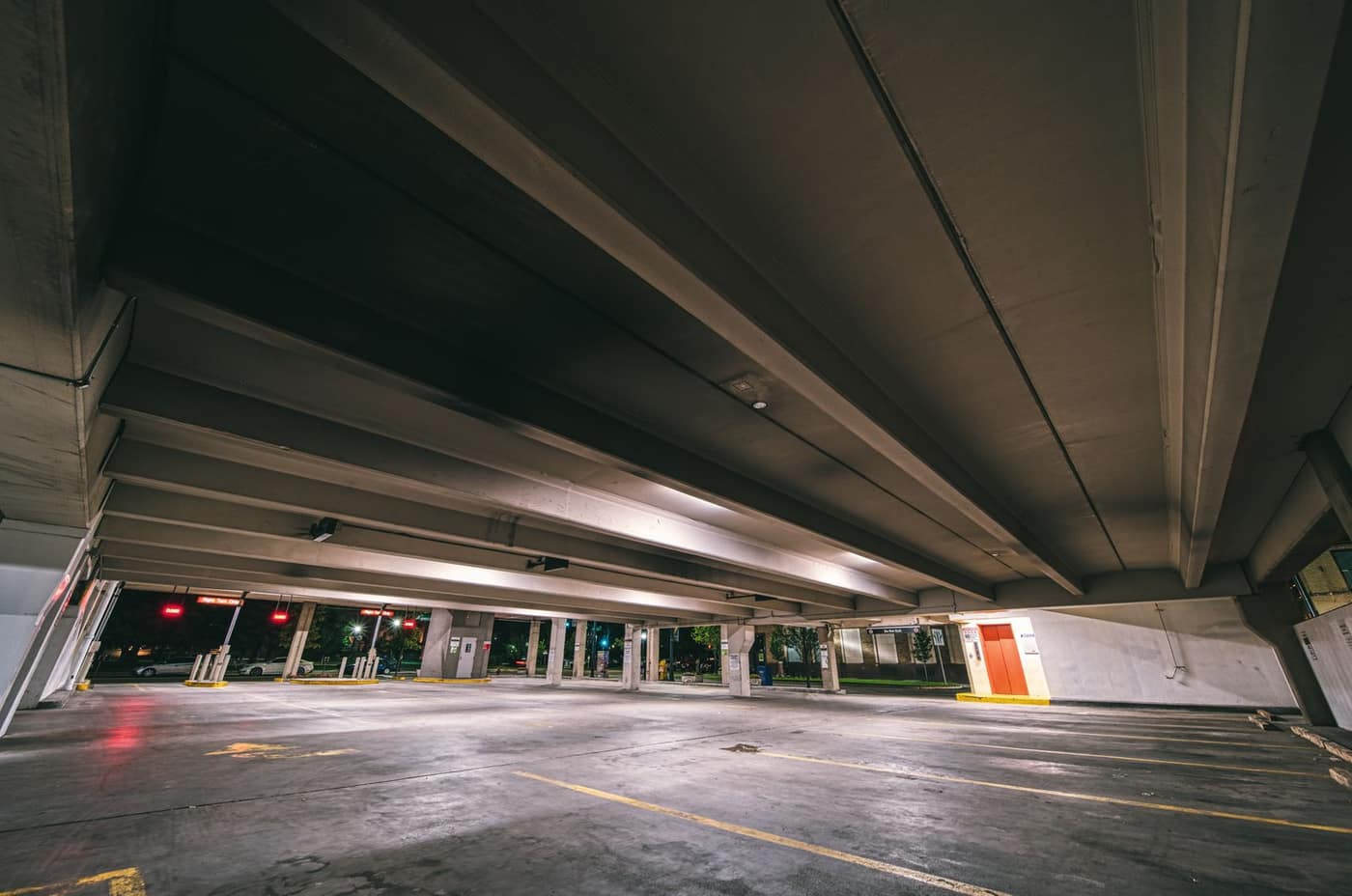
Polyaspartic Coatings
Fast-curing and UV-stable, with the cold-weather flexibility that suits exposed top decks and levels that have to reopen quickly.
Explore system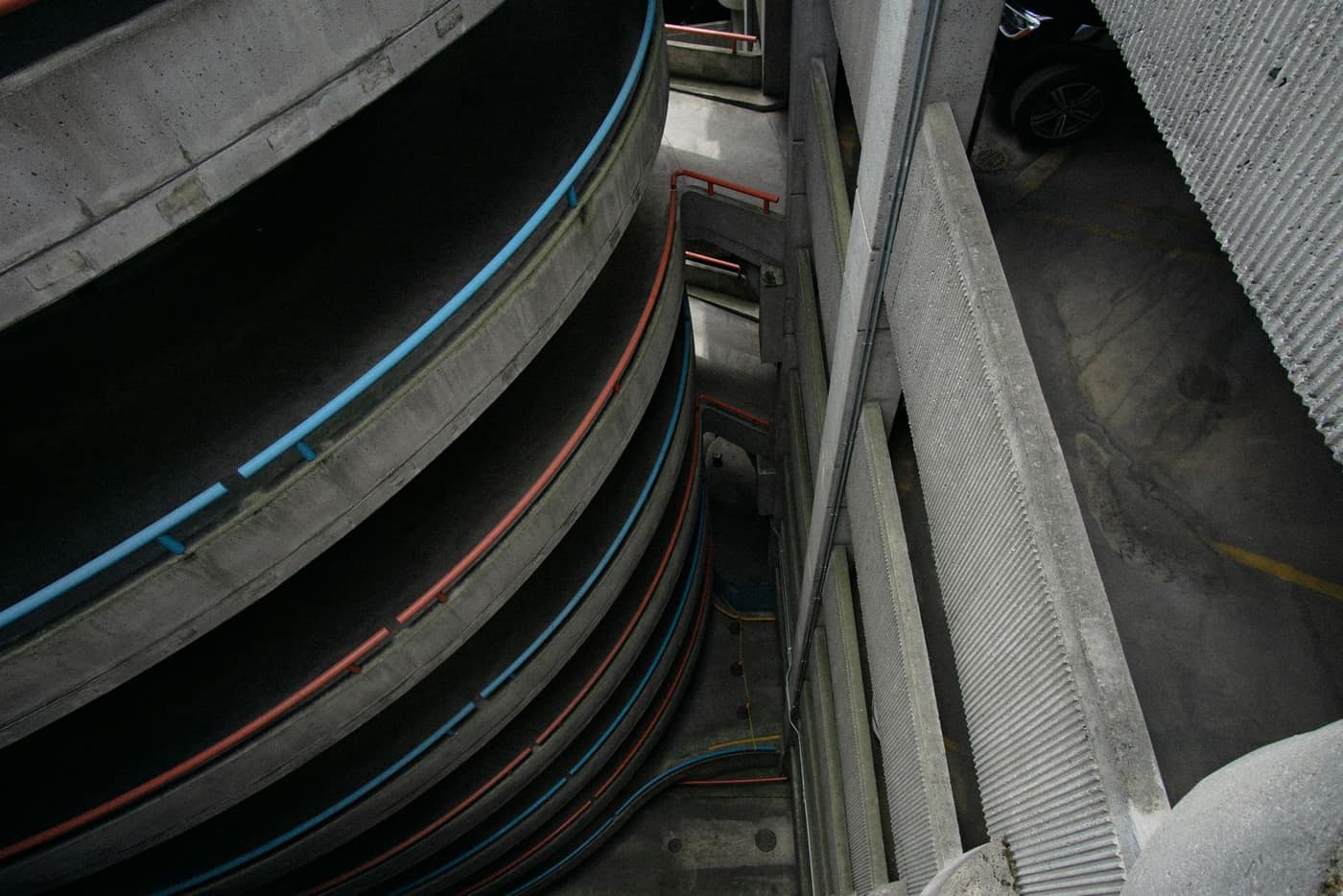
Resinous Flooring
Seamless and aggregate-loadable for the skid-resistant wear coat on ramps, helical turns, and high-shear traffic lanes.
Explore system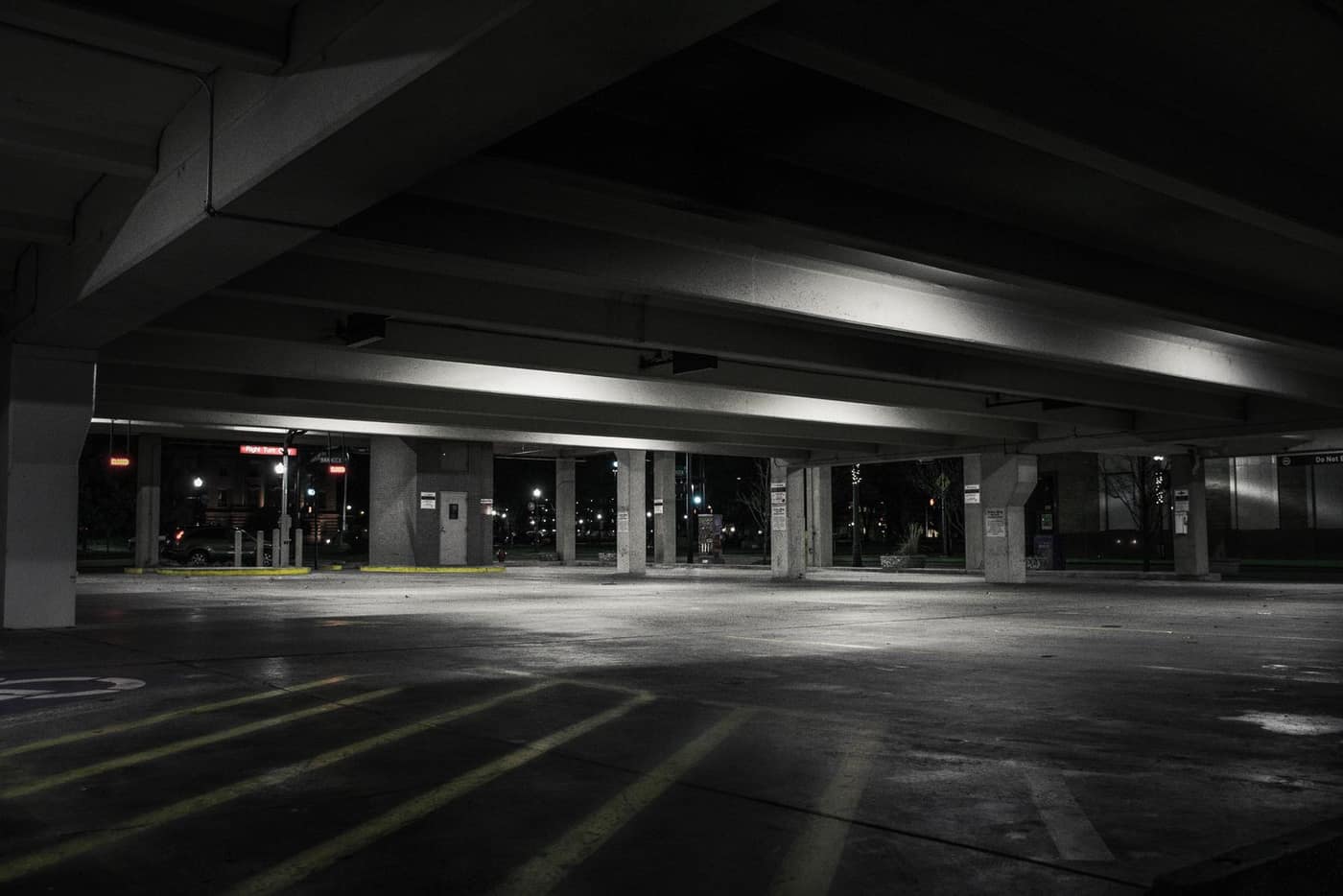
Epoxy Flooring
A hard, high-build base for on-grade levels and drive lanes that take steady vehicle traffic and oil drips with less waterproofing demand.
Explore systemProudly Serving New Jersey & Eastern PA
Our crews are on the road daily. Select your region to see our coverage.
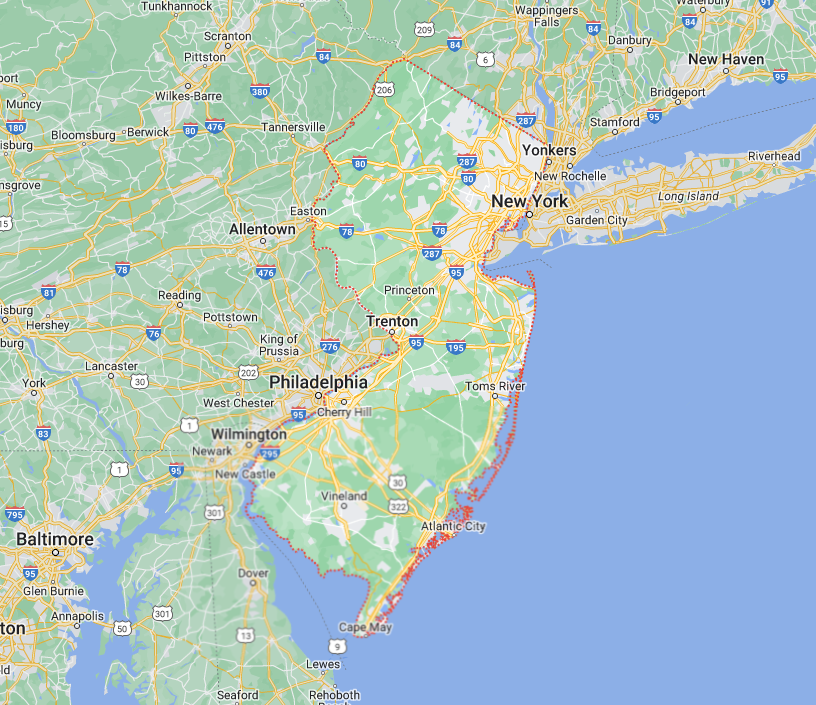
New Jersey
Statewide Coverage- Monmouth & Ocean County
- Bergen & Essex County
- Middlesex & Mercer County
- Atlantic & Cape May County
- Morris & Somerset County
FAQ
Parking-deck coating questions, answered straight
Why does my deck need a coating and not just paint?
On an elevated level the coating is a waterproofing system. Its flexible base layer keeps water and de-icing salt out of the slab and off the reinforcing steel below, which is what protects the structure. Floor paint cannot waterproof or flex, so the slab keeps absorbing salt and cracking through freeze-thaw while the paint peels.
Will it survive our winters and road salt?
Yes. We specify elastomeric traffic-deck systems to ASTM C957 that stay flexible in the cold, so they move with the deck through repeated freeze-thaw cycling, and they resist the chlorides and de-icing chemicals tracked in all winter.
Are the ramps slip-resistant for cars and people?
Yes. We build a skid-resistant aggregate wear coat into the system and broadcast it heavier on ramps, helical turns, and braking zones, targeting the ANSI A326.3 wet DCOF benchmark of 0.42. We stay honest that no sloped or wet deck is ever fully slip-proof.
Will the exposed top deck fade in the sun?
On exposed top decks we use UV-stable topcoats that hold their color and film integrity in direct sun, where a standard epoxy would chalk and amber. The base waterproofing layer sits protected underneath.
Can you keep the garage open while you work?
Yes. We phase the work level by level and ramp by ramp and use fast-cure systems where access has to reopen quickly, so the structure stays usable and you never have to fully close.
Get started
Let us spec a deck coating that protects the whole structure
Free on-site assessment, an honest read on whether your levels are elevated structural decks or on grade, and a precise quote. Phased ramp by ramp so the garage stays open.
(877) 376-9965 · talk to an installerRated 5 stars by New Jersey homeowners & businesses
Powered by Google
 No Obligation