
Retail Store Floor Coatings Built for Constant Foot Traffic
Seamless, slip-safe floor systems for stores, supermarkets, boutiques, and shopping centers across New Jersey and eastern Pennsylvania. Built to hold a clean, even surface under all-day public foot traffic, carts, and tracked-in grit, and installed overnight so the doors open on schedule.
- Seamless resinous & epoxy systems
- NJ + Eastern PA
- 20+ years installing
- Free on-site assessment
- Traffic-Rated
- Abrasion-tested systems for all-day foot traffic
- Slip-Safe & ADA-Minded
- Tuned traction at entries and wet zones
- 20+ Years Experience
- Resinous & epoxy installs across NJ & PA
- Installed Off-Hours
- We work nights so you open on time
The retail floor problem
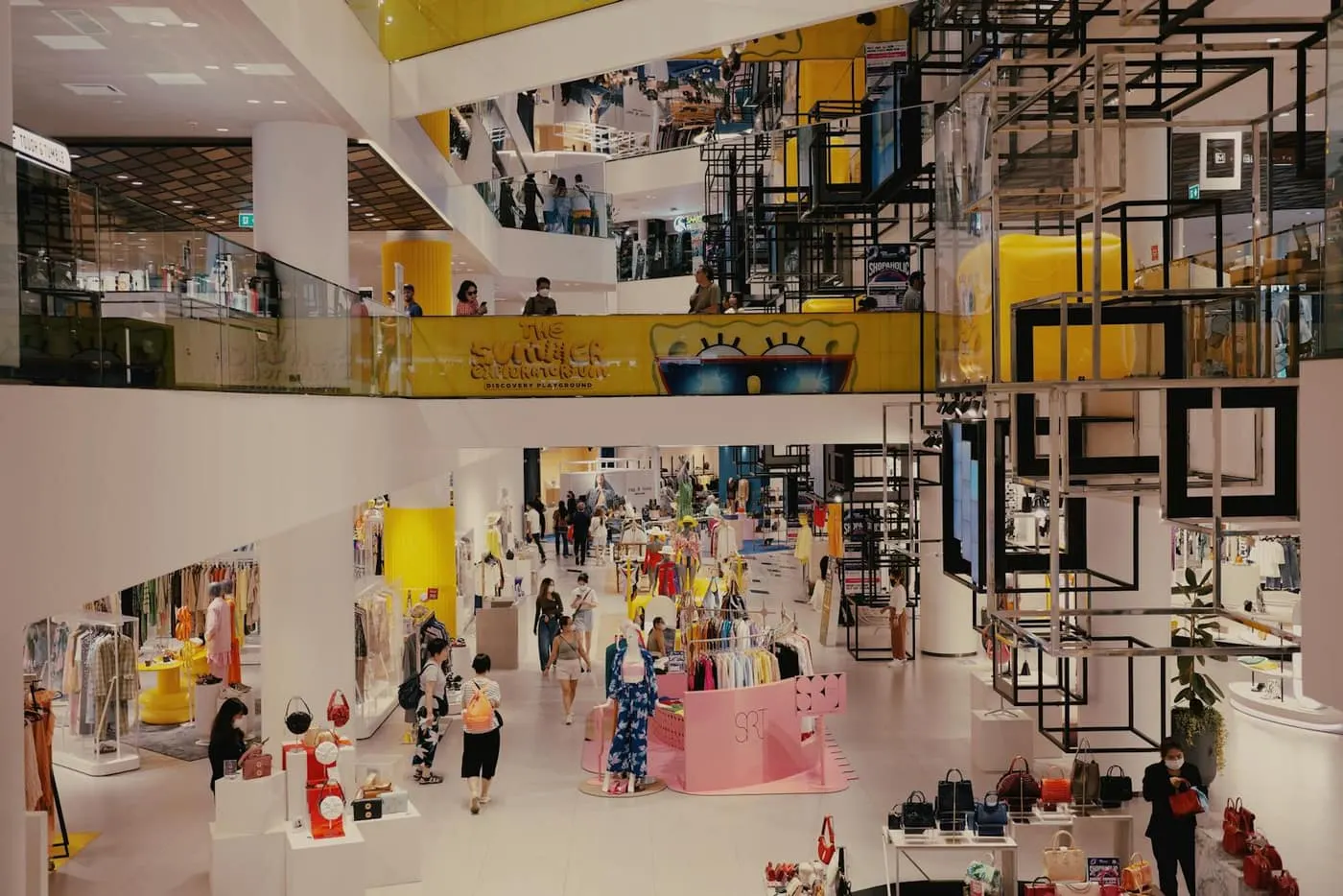
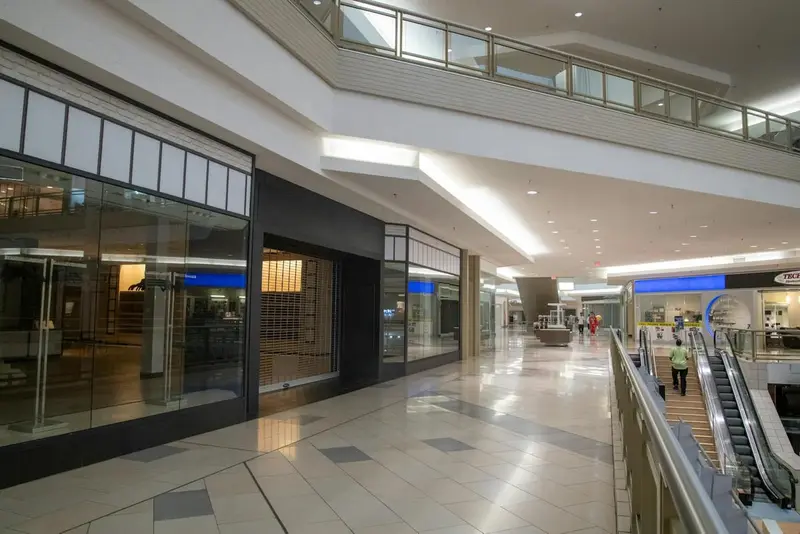
A sales floor wears in lanes, and the wear shows where customers look
A store floor does not fail all at once. It fails in lanes. Thousands of feet, shopping carts, hand trucks, and pallet jacks follow the same paths from the entrance to the checkout to the back stockroom, and a thin or poorly bonded coating grinds dull and gritty exactly along those lines. The aisles your customers use most are the ones that look worn first, while the corners still look new.
The entrance makes it worse. Rain, snow, and de-icing salt get tracked in on shoes and cart wheels, so the floor by the door is both the most abrasive spot in the building and the most slippery when wet. A retail system has to be built thick enough to take the traffic, sealed so spilled drinks and dropped product wipe up instead of staining, and textured at the door so a wet entry does not become a fall.
Zone-by-zone
We spec each area of the building for the job it actually does
No single coating is right everywhere. Here is how we read a sales floor and match the chemistry to the punishment.
Material choice
What keeps a store floor from wearing out in the aisles
Most retail floor complaints trace back to two things: a coating that was never built thick enough for the traffic, or prep that let it bond poorly so it grinds away in the lanes people actually use. We profile the slab first and make sure it is dry and sound before we coat, then build a system with the film thickness and the abrasion resistance the traffic count calls for, not a one-coat paint that looks fine until the first holiday rush.
Across the sales floor and stockroom we install seamless high-build epoxy and resinous systems that resist the scuffing of carts and pallet jacks and stay non-porous, so spilled drinks, food, and cleaning chemicals wipe up instead of soaking in. At the entrance and any wet zone we broadcast anti-slip aggregate into the surface and tune the texture so it grips when wet but still mops clean.
- Abrasion resistance tested to a recognized Taber method, so cart wheels and foot traffic do not wear the lanes dull. [ASTM D4060]
- Slip resistance tuned for wet entries, targeting the ANSI A326.3 wet DCOF benchmark of 0.42 where rain and snow get tracked in. [ANSI A326.3]
- Slab confirmed dry and sound before coating, and where the water table runs high a moisture test (ASTM F2170 / F1869) is worth doing, because a slab-on-grade store floor that comes up wet is where blistering and delamination start. [ASTM F2170 · F1869]
- Seamless and non-porous, so spilled product, drinks, and cleaning chemicals wipe up and nothing soaks into a grout line. [Manufacturer spec]
How it works
From your first call to the final coat
We map the whole job before we touch the floor, then phase the work around your production.
- Free Quote(877) 376-9965No-cost on-site assessmentGet my quote
Call or Contact Us
Tell us about your store and timeline.
- Walk-through
- Entry
- Sales floor
- Stockroom
Consultation
A free walk-through and a per-zone floor spec.
- Slab PrepProfiledDry & sound
Preparation
Slab profiled and confirmed dry and sound before coating.
- Sealed
Installation
Seamless system installed overnight, phased around your hours.
Standards & specifications
Built to the standards a public sales floor is held to
A store floor is a public walking surface, so the standards that matter are about safety, accessibility, and wear. We name the standards behind each one, and we do not claim credentials we do not hold.
Abrasion & wear resistance
Sales-floor and stockroom systems specified against the Taber Abraser method (typically the CS-17 wheel) so cart wheels and constant foot traffic do not wear the high-traffic lanes dull and gritty. [ASTM D4060]
Slip resistance (wet)
A326.3 names entry foyers and grocery stores among the interior-wet spaces held to a 0.42 wet DCOF, the exact zones where tracked-in rain and snow pool. We broadcast anti-slip aggregate into those areas to target that benchmark, dial the texture finer toward the sales floor so carts still roll easily, and we are upfront that no walking surface is ever fully slip-proof when wet. [ANSI A326.3]
Accessible surface
The ADA requires public floor surfaces to be firm, stable, and slip resistant. A seamless resinous floor with no lippage or open joints meets the firm-and-stable requirement, and we tune surface texture for slip resistance because the ADA sets no single friction number. [ADA 302.1]
Slab moisture testing
Most retail buildings sit on slab-on-grade, which can wick ground moisture for years. We make sure the slab is dry and sound before coating, and where the water table runs high or a store sits low or below grade a moisture test (in-situ relative-humidity probes per F2170 or anhydrous calcium-chloride MVER per F1869) is worth doing first, so the finish does not bubble or peel in the middle of a busy aisle. [ASTM F2170 / F1869]
Cleanable, low-maintenance finish
A non-porous, jointless surface lets spilled drinks, food, and cleaning chemicals wipe up without staining, which keeps janitorial cost and downtime down over the life of the floor. [Manufacturer spec]
The slip, abrasion, and accessibility standards above describe how a public sales floor is judged, and we build to hit them with products that carry their own tested performance figures. What we will not do is put a certification logo on Jersey Epoxy itself, because those credentials are earned by a coating in a lab, not by the company that rolls it on.
Benefits
A properly specified store floor takes the crowd and still looks open
Wears Evenly, Not in Lanes
An abrasion-tested, properly built system holds an even surface from the door to the checkout instead of grinding dull along the busiest paths.
Slip-Safe at the Door
We broadcast anti-slip aggregate into entries and wet zones so a rainy day does not turn the walk-off area into a fall hazard, and tune it to stay cleanable.
Wipes Clean of Spills
A seamless, non-porous surface lets spilled drinks, food, and product wipe up fast without staining or soaking into a grout line.
Stockroom-Tough
High-build epoxy stands up to pallet-jack wheels, dropped freight, and the abuse of a receiving area, so the back of house lasts as long as the front.
On-Brand, Low-Maintenance Look
Color and decorative flake options keep the sales floor reading clean and on-brand, with a non-porous finish that holds its look on routine maintenance.
Installed Without Closing
We phase and pour overnight and use rapid-cure systems where an area has to reopen by morning, so a floor job does not cost you selling days.
Recommended systems
The systems we reach for in a store
Curated for retail sales floors. Explore the chemistry behind each.
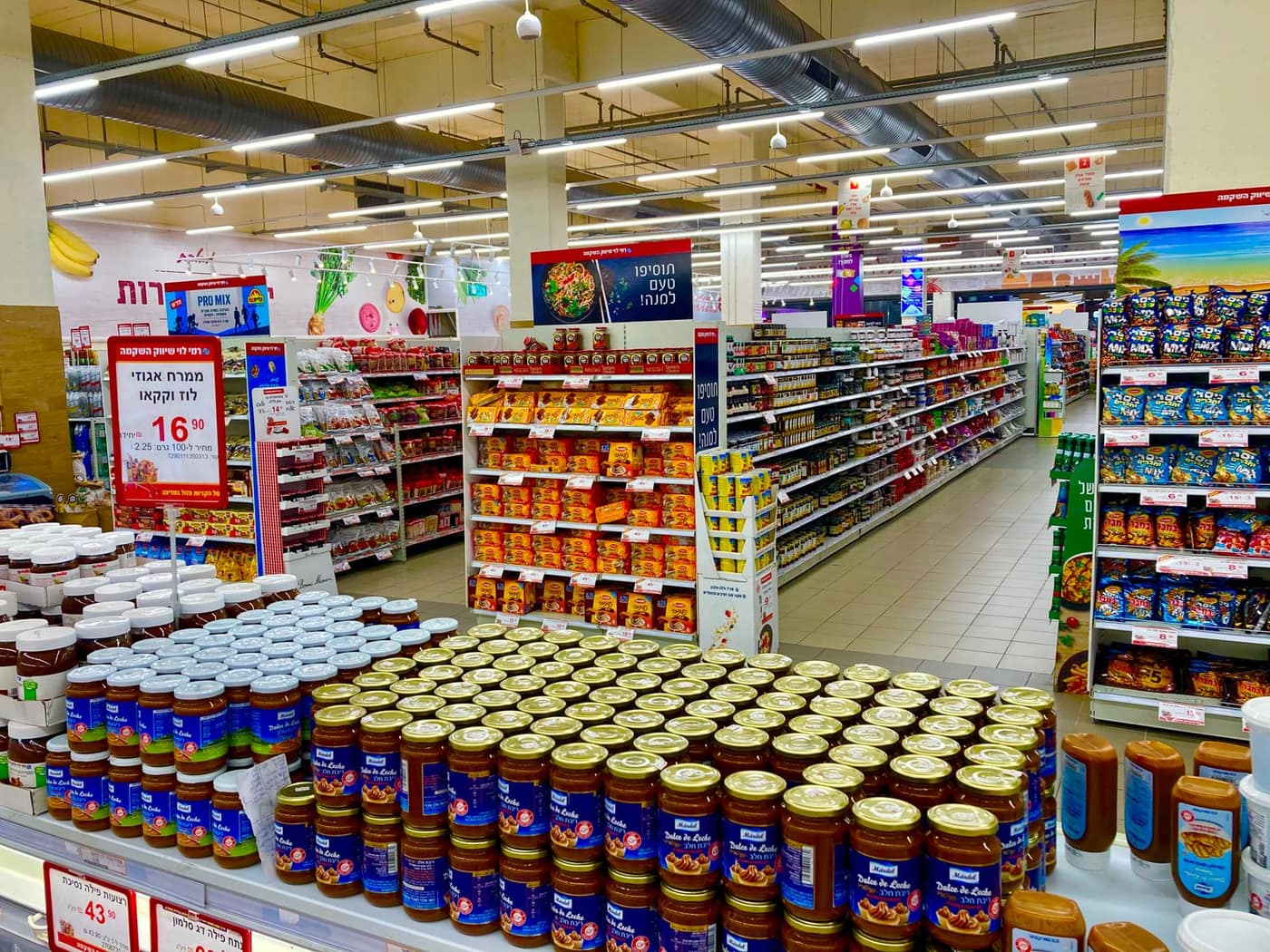
Resinous Flooring
Seamless, abrasion-resistant, and non-porous: the backbone system for sales floors and aisles that take all-day traffic and the occasional spill.
Explore system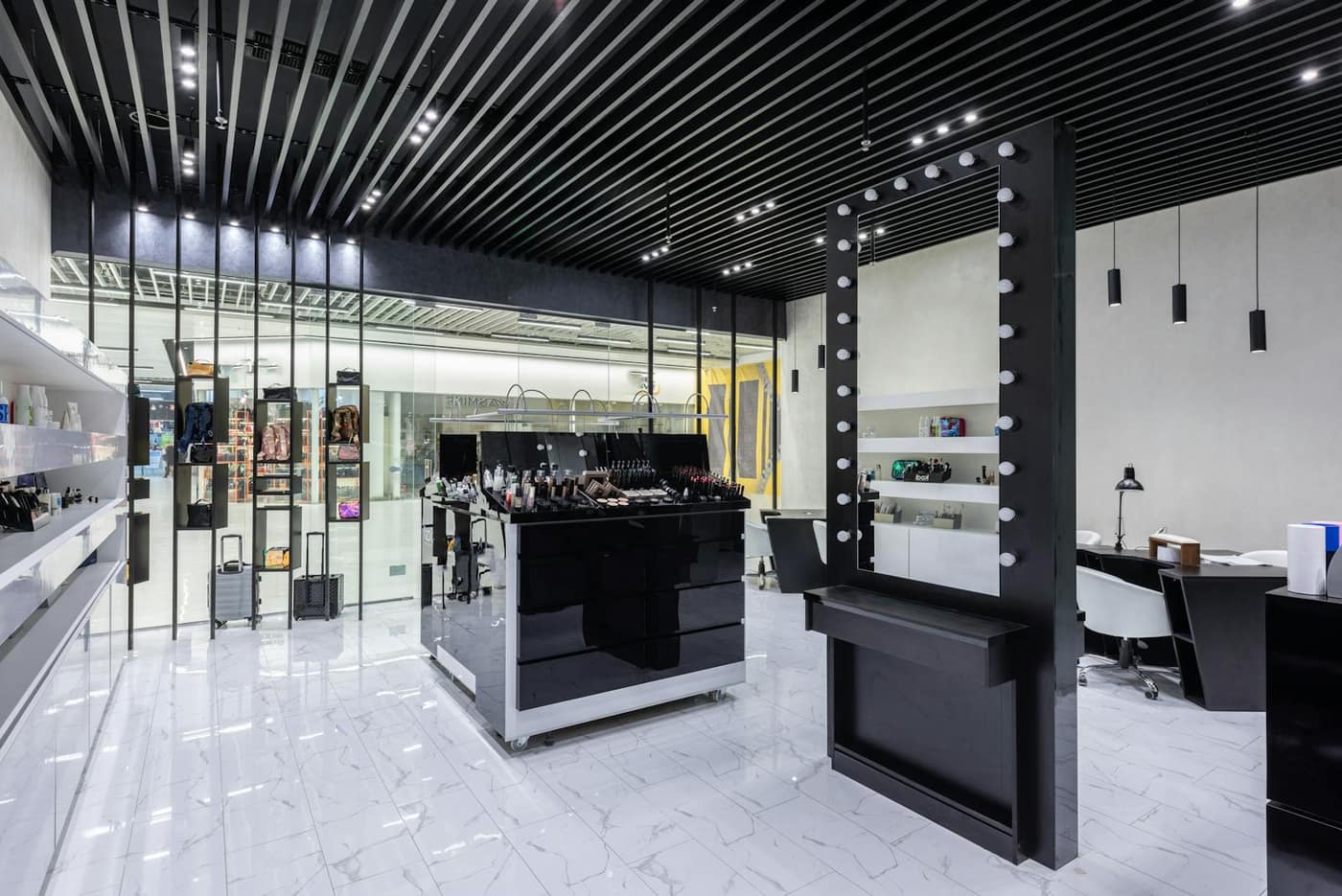
Epoxy Flooring
A hard, high-build, cleanable base for entries and stockrooms that take cart wheels, pallet jacks, and dropped freight.
Explore system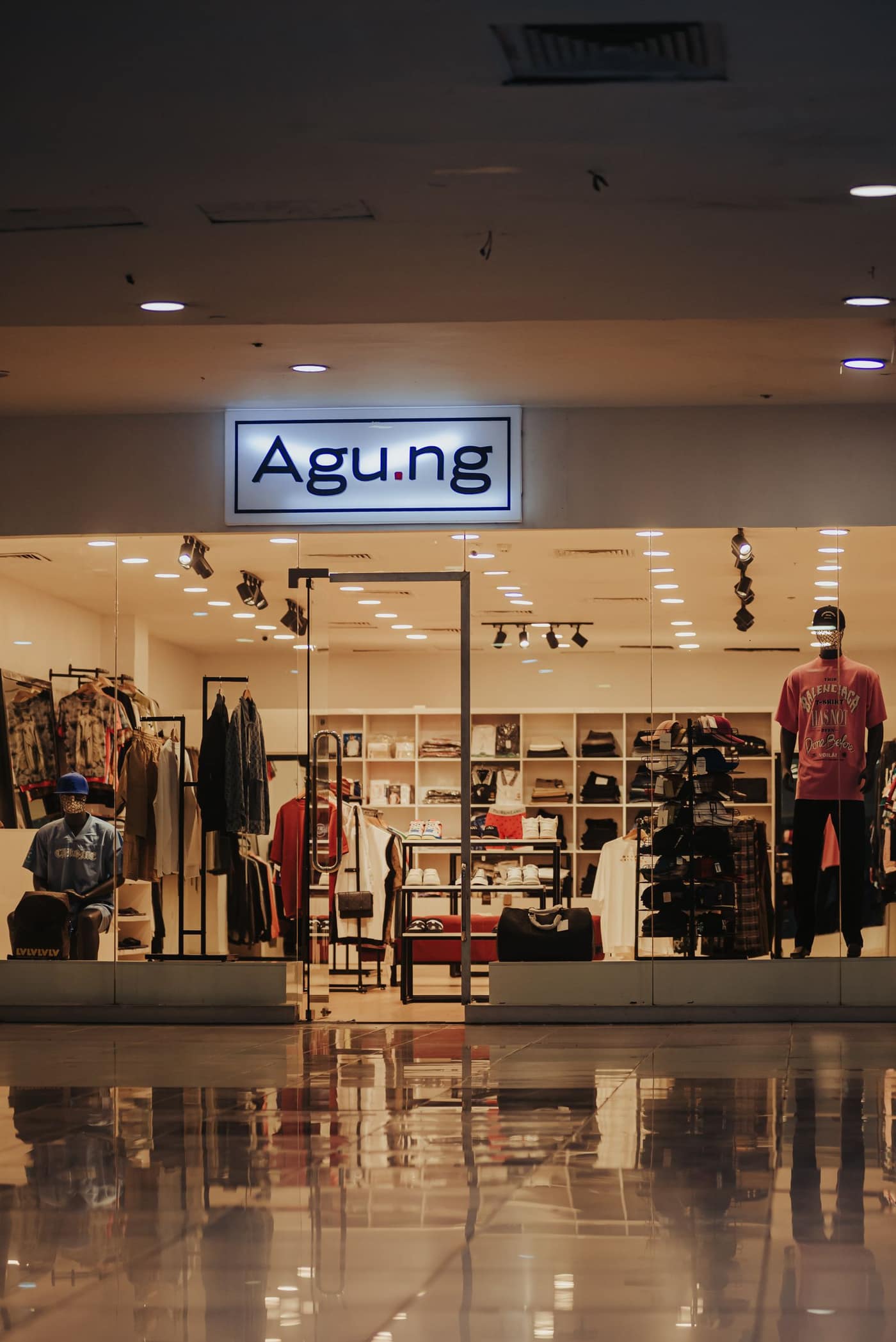
Flake Epoxy
Color-blended flake for an on-brand, low-maintenance look, with hidden slip resistance for customer and display areas.
Explore systemProudly Serving New Jersey & Eastern PA
Our crews are on the road daily. Select your region to see our coverage.
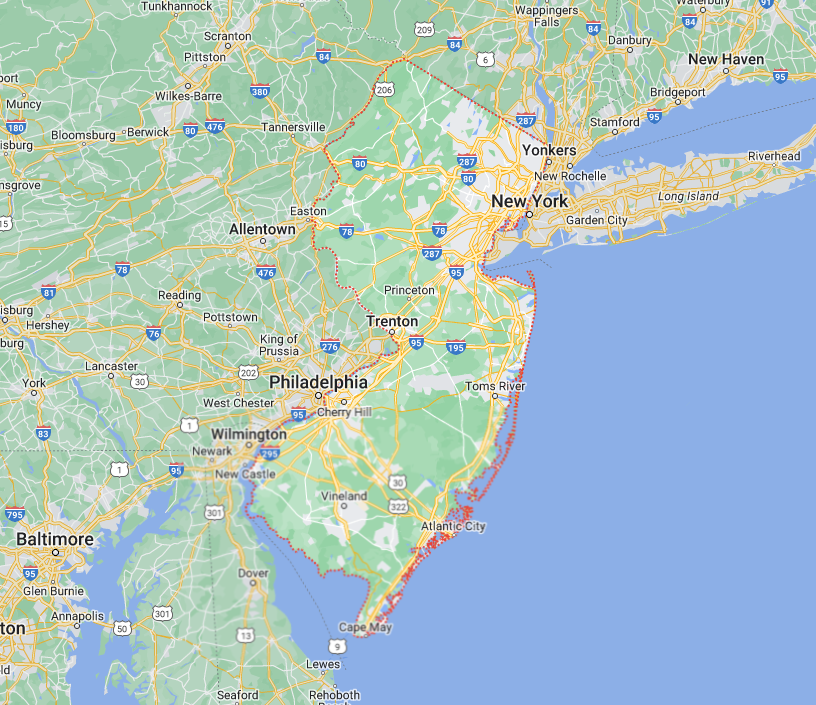
New Jersey
Statewide Coverage- Monmouth & Ocean County
- Bergen & Essex County
- Middlesex & Mercer County
- Atlantic & Cape May County
- Morris & Somerset County
FAQ
Retail flooring questions, answered straight
Why does our store floor look worn in the aisles but fine in the corners?
That is traffic-lane wear. Feet and cart wheels follow the same paths all day, and a thin or poorly bonded coating grinds dull right along those lines while the low-traffic corners stay new. We specify a system against a recognized abrasion method (ASTM D4060, Taber Abraser) and build the film thick enough that the busy lanes wear like the rest of the floor.
The floor by our entrance gets slick when it rains. Can you fix that?
Yes. The entry is the most slippery spot in the building because rain, snow, and salt get tracked in. We broadcast anti-slip aggregate into the walk-off zone, targeting the ANSI A326.3 wet DCOF benchmark of 0.42, and tune the texture so it grips when wet but still mops clean.
Will the floor stain from spilled drinks and product?
A seamless, non-porous system lets spilled drinks, food, and cleaning chemicals wipe up before they stain, with no grout lines for anything to soak into. We match the chemistry to what actually gets spilled and cleaned with in your store.
Can the floor handle our stockroom and pallet jacks too?
Yes. We spec a high-build epoxy in receiving and the stockroom that stands up to pallet-jack wheels, dropped freight, and box-cutter abuse, so the back of house holds up as long as the sales floor.
Is the floor ADA compliant?
The ADA requires public floors to be firm, stable, and slip resistant, and a seamless resinous floor with no lippage or open joints meets the firm-and-stable part. The ADA does not set a single slip-resistance number, so we tune surface texture for traction, especially at entries, to keep the walking surface safe.
Can you do the work without closing the store?
Yes. We phase the work and pour overnight around your hours, and use rapid-cure systems where an area has to reopen by morning, so the floor goes in without costing you selling days.
Get started
Let us spec a floor that takes the crowd and stays open
Free on-site assessment, an honest per-zone recommendation, and a precise quote. Poured overnight and phased around your hours so the store never goes dark.
(877) 376-9965 · talk to an installerRated 5 stars by New Jersey homeowners & businesses
Powered by Google
 No Obligation