
Auto Shop & Service Bay Floor Coatings
Hot-tire-resistant floor coatings for auto repair shops, service bays, and detailing floors across New Jersey and eastern Pennsylvania. Built to shrug off oil and brake fluid, hold up under lifts and rolling toolboxes, and come back into service fast so a floor job never parks your shop.
- Polyaspartic & high-solids epoxy
- NJ + Eastern PA
- 20+ years installing
- Free on-site assessment
- Hot-Tire Rated
- Polyaspartic topcoats stay hard under tire heat
- Oil & Fluid Proof
- Non-porous surface wipes clean, no soak-in stains
- 20+ Years Experience
- Resinous & high-build coatings on shop slabs
- Phased Bay by Bay
- We keep the rest of your shop earning
The auto shop floor problem
A service bay punishes a floor that a parking lot never would
A working shop floor catches everything: tires hot off the road, dropped wrenches and rotors, the point loads under lift posts and jack stands, and a constant drip of motor oil, coolant, brake fluid, and solvent. A coating that was never built for that load chips at the lift first and stains everywhere a fluid pools.
The failure most owners have already lived through is hot tire pickup. Performance rubber is full of plasticizers that keep it flexible, and highway heat draws them to the surface of the tire. Park that hot tire on a film that softens, the rubber grabs it, and when the car pulls out it peels the coating off in patches at every spot. That is the signature failure of thin water-based kits sold off a hardware-store shelf.
Zone-by-zone
We spec each area of the building for the job it actually does
No single coating is right everywhere. Here is how we read a shop floor and match the chemistry to the punishment.
Material choice
Why hardware-store garage kits peel in a real shop
Most shop-floor failures trace back to two things: a slab that was coated over oil and moisture instead of clean, sound concrete, and a topcoat that goes soft at tire temperatures. We degrease and diamond-grind the slab first, repair cracks and spalls, and make sure it is dry and sound before anything goes down; where the water table runs high or the slab sits below grade, a moisture test is worth doing first.
For service and lift bays the workhorse build is a high-solids epoxy base for adhesion and body, finished with a polyaspartic or polyurea topcoat that cures to a harder, more heat-stable wear layer than an epoxy clear. That topcoat is what stops hot tires from grabbing and lifting the floor, and it holds its color at sunlit roll-up doors where straight epoxy ambers.
- Hot-tire-pickup resistance. Polyaspartic and polyurea topcoats stay hard and stable at tire temperatures, where soft epoxy films release and lift. [Manufacturer data · industry practice]
- Chemical resistance to motor oil, brake fluid, antifreeze, gasoline, and shop solvents, kept on top of a non-porous surface to be wiped up. [Manufacturer spec]
- Slab degreased and mechanically profiled so the system bonds into clean concrete, not into decades of soaked-in oil. [ICRI CSP profiling]
- Slab confirmed dry and sound before coating, so vapor rising through an old barrier-free shop slab cannot blister the floor later; on a low or flood-prone slab a moisture test is worth doing first. [ASTM F2170 · F1869]
How it works
From your first call to the final coat
We map the whole job before we touch the floor, then phase the work around your production.
- Free Quote(877) 376-9965No-cost on-site assessmentGet my quote
Call or Contact Us
Tell us about your shop and timeline.
- Walk-through
- Service bays
- Wash bay
- Showroom
Consultation
A free walk-through and a per-bay floor spec.
- Slab PrepProfiledDry & sound
Preparation
Slab degreased, ground, and confirmed dry and sound.
- Sealed
Installation
Coated and phased bay by bay around your work.
Standards & specifications
Specified to the standards a shop floor is held to
A shop floor is not certified the way a hospital floor is, but it still answers to real benchmarks: ASTM moisture limits, an ICRI profile, a measured wet-traction number. We spec to those and name each one, and we do not dress up an installer as something certified.
Hot-tire-pickup resistance
A polyaspartic or polyurea topcoat over a high-solids epoxy base cures harder and stays stable at tire temperatures, so warm rubber and its leached plasticizers cannot grab and lift the film the way they peel a soft DIY epoxy clear coat. [Manufacturer data]
Slab moisture testing
Older shop slabs poured without a vapor barrier push ground moisture up through the concrete, and that vapor is what blisters a coating off months later. The slab has to come back dry and sound before we coat, and where the water table runs high or the floor sits below grade a moisture test is worth doing first, whether by in-situ relative-humidity probes (F2170) or anhydrous calcium-chloride MVER (F1869), so a coating only goes down once the numbers are in range. [ASTM F2170 / F1869]
Surface preparation
We degrease the slab and diamond-grind it to a sound concrete surface profile per the ICRI guideline so the coating bonds into clean concrete rather than oil residue. Decades of oil soak-in can call for extra prep, and we say so honestly. [ICRI guideline 310.2R]
Slip resistance (wet)
A drip of oil or a puddle of wash water under a tech moving fast is the slip we design against. We broadcast graded aggregate into the topcoat at a texture that hits the ANSI A326.3 wet DCOF benchmark of 0.42, dialed up coarser in wash bays and kept finer in customer space, knowing no wet floor is ever fully slip-proof. [ANSI A326.3]
UV color stability
Polyaspartic topcoats resist the ambering and chalking that sunlight drives in standard epoxy, so a floor near open roll-up doors holds its color and gloss. [Manufacturer spec]
We install products specified to meet recognized performance and safety standards and we name the standards behind each system. We do not market Jersey Epoxy as certified, because credentials like these are issued to products and to manufacturers, not to installers.
Benefits
A real shop floor takes the abuse and still looks the part
Hot-Tire-Pickup Resistance
A polyaspartic topcoat cures to a harder, heat-stable wear layer, so hot tires cannot grab and lift it the way they peel thin DIY kits at every parking spot.
Oil & Chemical Resistance
The non-porous surface keeps motor oil, brake fluid, antifreeze, gasoline, and solvents on top to be wiped up rather than soaking in and staining the slab.
Slip Resistance When Wet
We broadcast aggregate into wash and service bays so coolant, wash water, and rain off vehicles do not turn the floor into a hazard, tuned to stay easy to clean.
Restores Tired Concrete
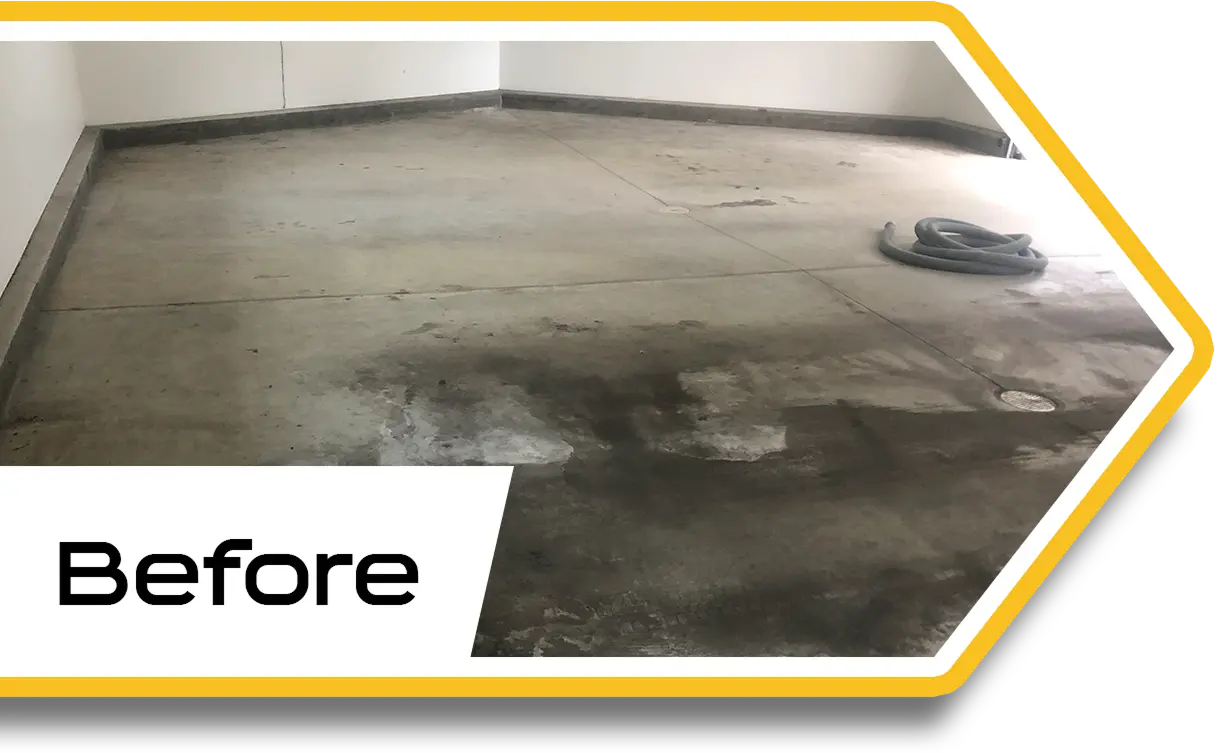
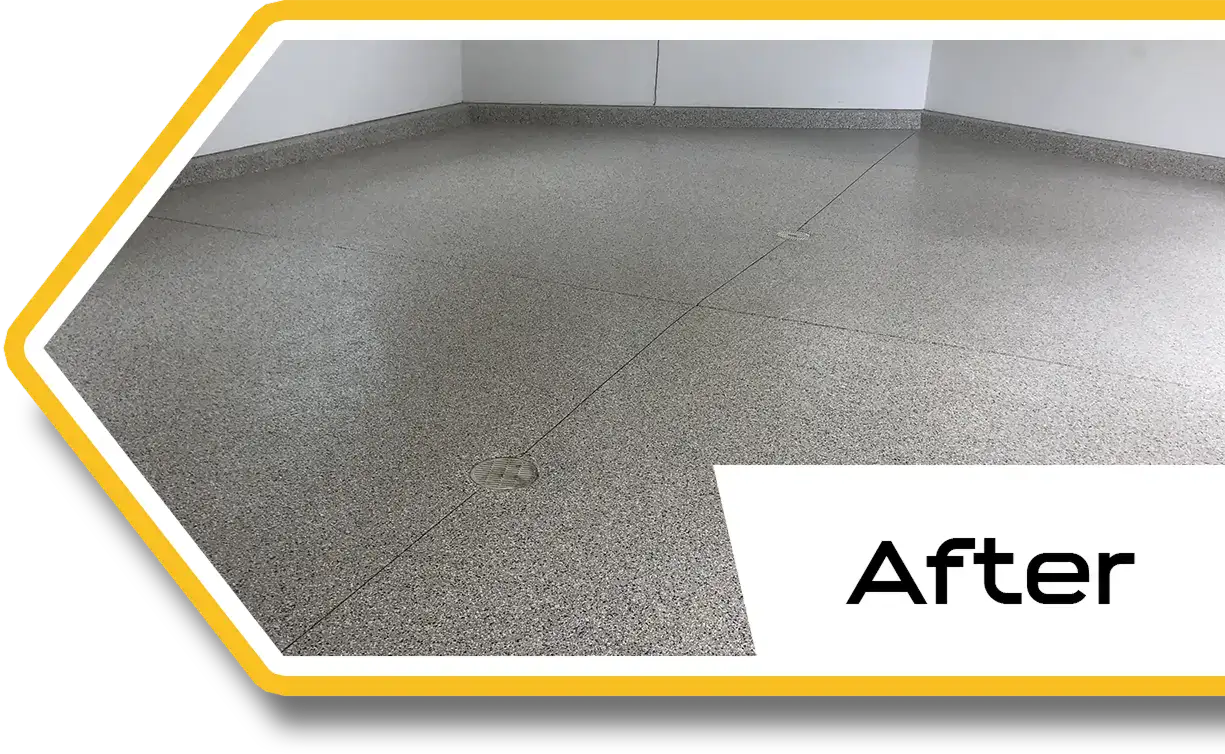
Degreasing, grinding, crack and spall repair, and a high-build coating turn an old, oil-saturated shop slab into a clean, sealed, durable surface.
Brighter, Cleaner Shop
A light, glossy floor bounces shop lighting back up under the car and into the bay, and sweeps or mops clean instead of holding grime in bare concrete.
Fast Return to Service
Fast-cure polyaspartic systems often bring a finished bay back the next day, so coating the floor does not park the whole shop.
Recommended systems
The systems we reach for in an auto shop
Curated for service bays and customer-facing space. Explore the chemistry behind each.
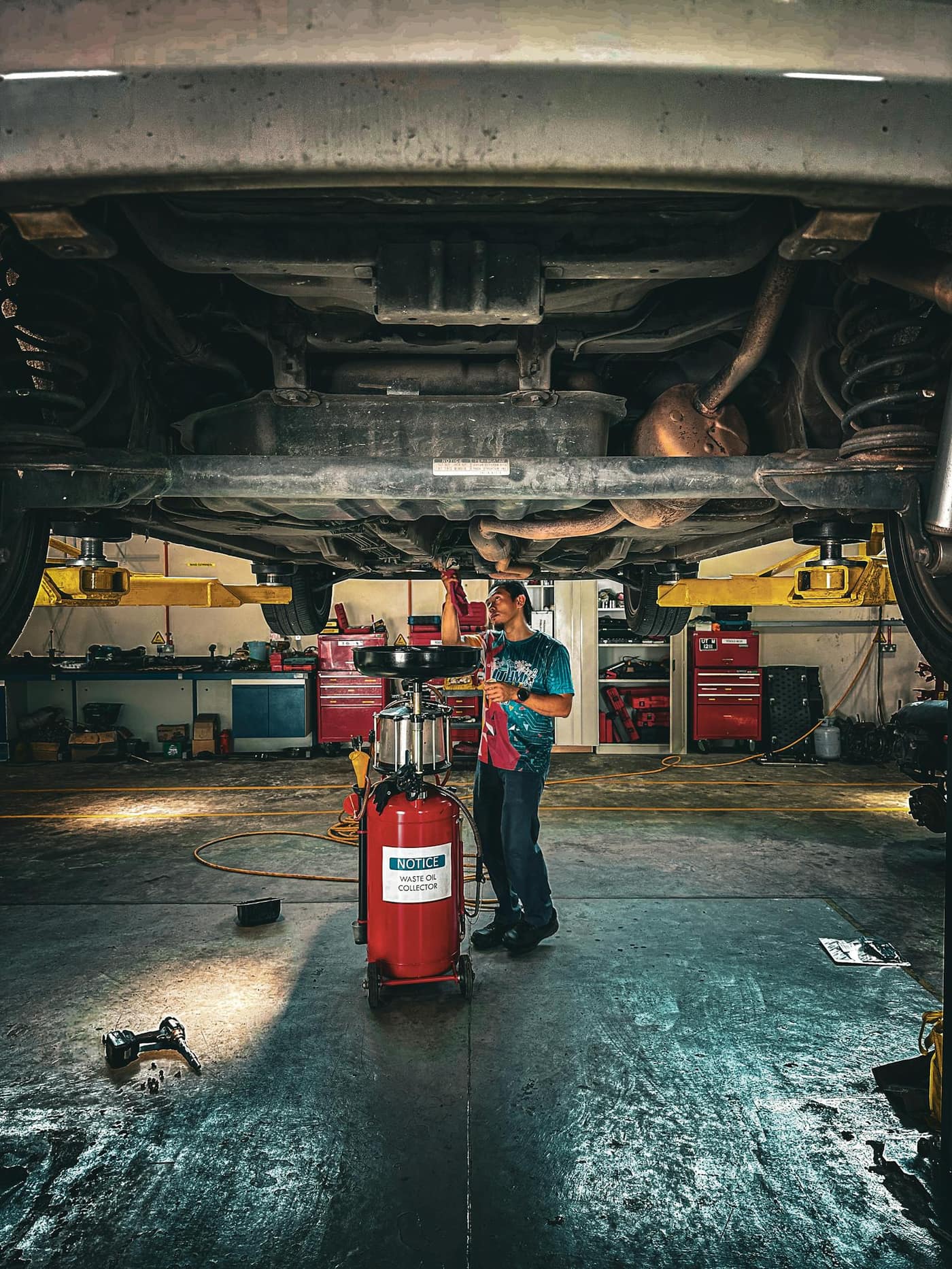
Polyaspartic Flooring
The hard, heat-stable, fast-curing topcoat that beats hot tire pickup and returns a service bay to work the next day.
Explore system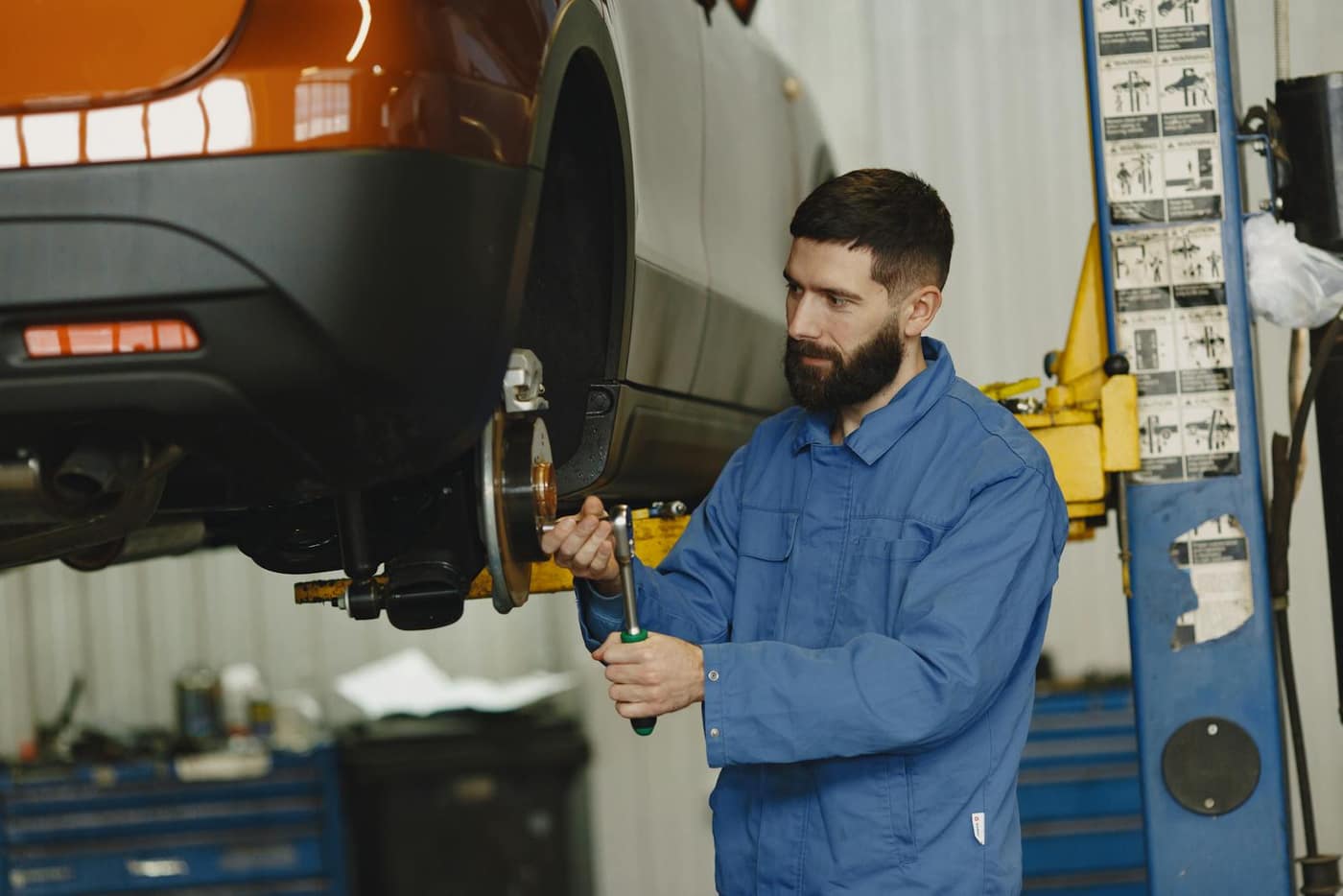
Epoxy Flooring
A high-build, oil-resistant base coat with the body and adhesion to carry lift loads and rolling toolboxes.
Explore system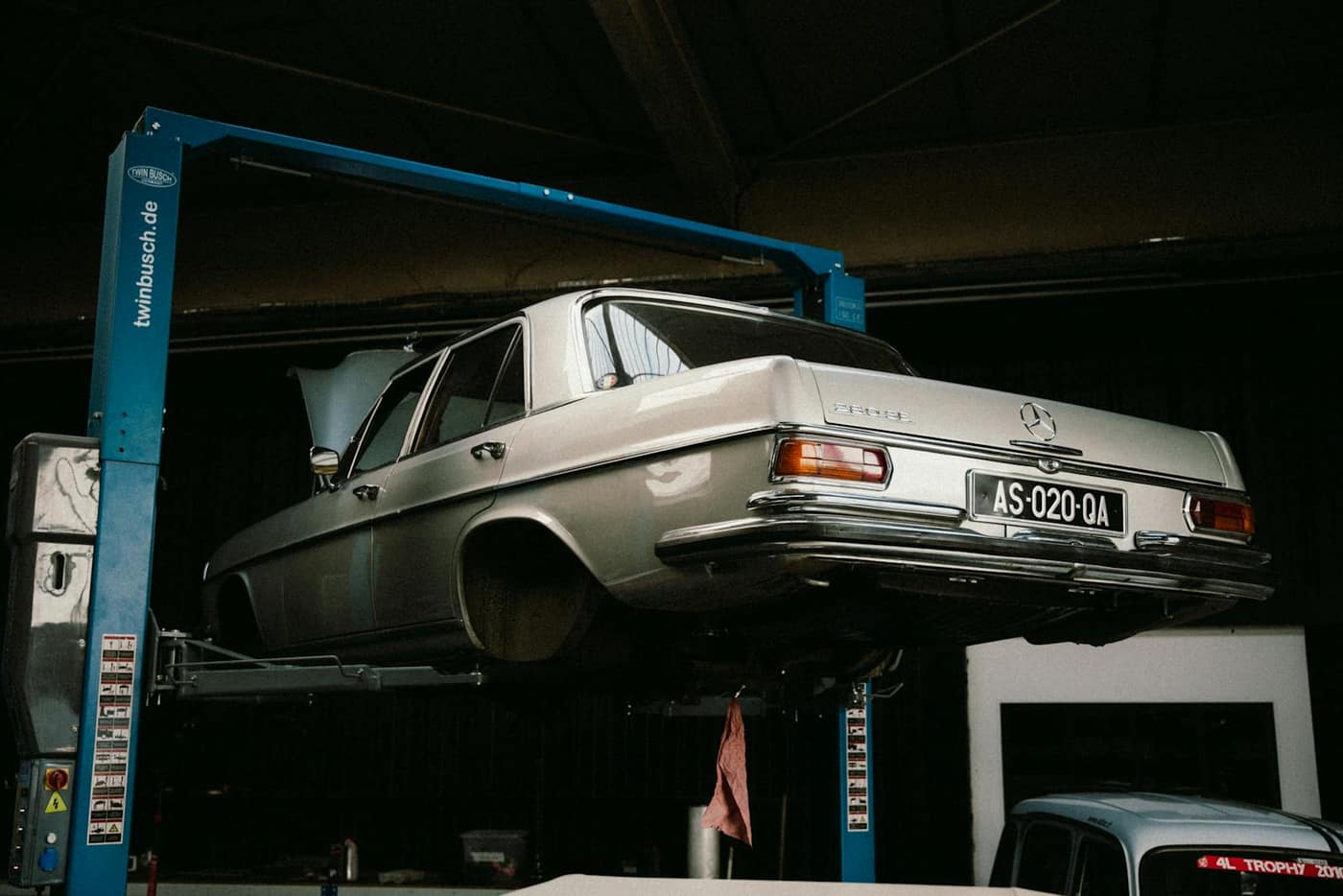
Metallic Epoxy
A high-gloss, premium finish for showrooms and detailing bays that looks the part and still takes traffic.
Explore systemProudly Serving New Jersey & Eastern PA
Our crews are on the road daily. Select your region to see our coverage.
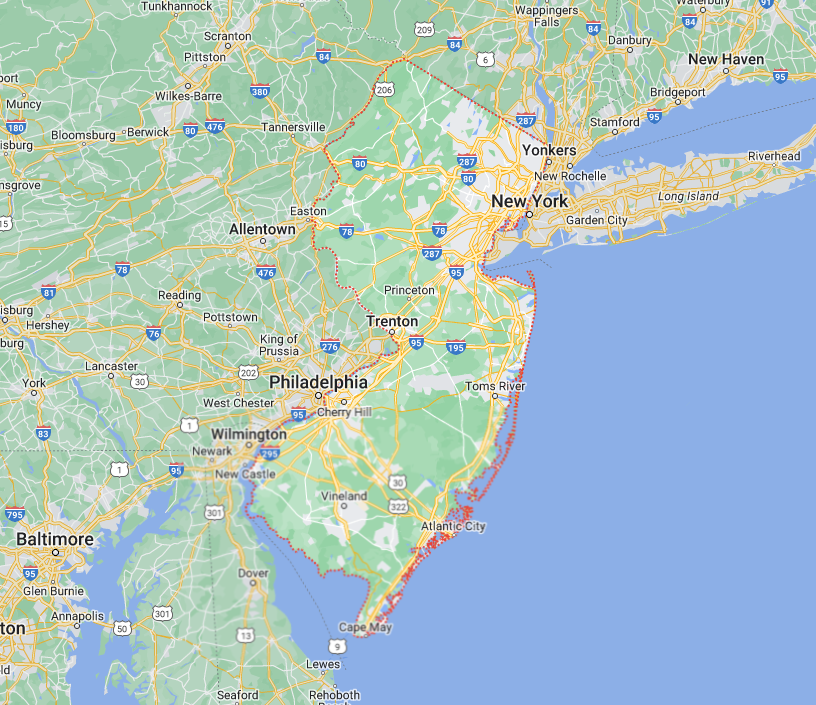
New Jersey
Statewide Coverage- Monmouth & Ocean County
- Bergen & Essex County
- Middlesex & Mercer County
- Atlantic & Cape May County
- Morris & Somerset County
FAQ
Auto shop flooring questions, answered straight
What causes hot tire pickup, and can you prevent it?
Hot tires carry heat and plasticizers that leach to the surface of warm rubber and soften a coating, so when the car pulls out it lifts the softened film and leaves a bare patch. We prevent it by finishing the floor with a polyaspartic or polyurea topcoat that cures harder and holds up at higher temperatures, so the hot tire cannot grab and lift the coating. Thin DIY epoxy kits are the systems that typically fail this way.
Will the floor resist oil, brake fluid, and gasoline?
Yes. The coated surface is non-porous and chemically resistant, so motor oil, brake fluid, antifreeze, gasoline, and shop solvents sit on top to be wiped up rather than soaking in and staining. We match the system to the chemicals your shop handles most.
Is a coated floor slippery when oil or water gets on it?
It does not have to be. A high-gloss film with nothing in it can get slick once oil or wash water hits it, so in the bays where that happens we work graded aggregate into the topcoat for grip, holding to the ANSI A326.3 wet DCOF benchmark of 0.42 while keeping the texture fine enough to mop. We will be straight with you: no wet floor is ever fully slip-proof, but a tuned profile is a different floor than a bare gloss coat.
Can you coat an old, cracked, oil-stained shop floor?
Usually, yes. We degrease the slab, diamond-grind it to a sound profile, repair cracks and spalls, and make sure it is dry and sound before coating; on a low or flood-prone slab a moisture test is worth doing first. Decades of oil soak-in can require extra preparation, and we will tell you honestly what your slab needs after we see it.
How fast can I get my bays back?
We phase the work bay by bay and use fast-cure polyaspartic systems where downtime is expensive, which often allows a finished bay to return to service the next day. We build the schedule around keeping as much of your shop open as possible.
Can I get a showroom-quality look, not just a work floor?
Yes. For customer-facing areas and detailing bays we offer decorative flake and high-gloss metallic finishes that look premium while still standing up to traffic, so the front of the shop can match the quality of your work.
Get started
Let us spec a floor that survives your service bay
We come out, walk every bay, and tell you which floor each one actually needs, then put a real number on it. The work is phased one bay at a time, so the lifts keep turning while we coat.
(877) 376-9965 · talk to an installerRated 5 stars by New Jersey homeowners & businesses
Powered by Google
 No Obligation