

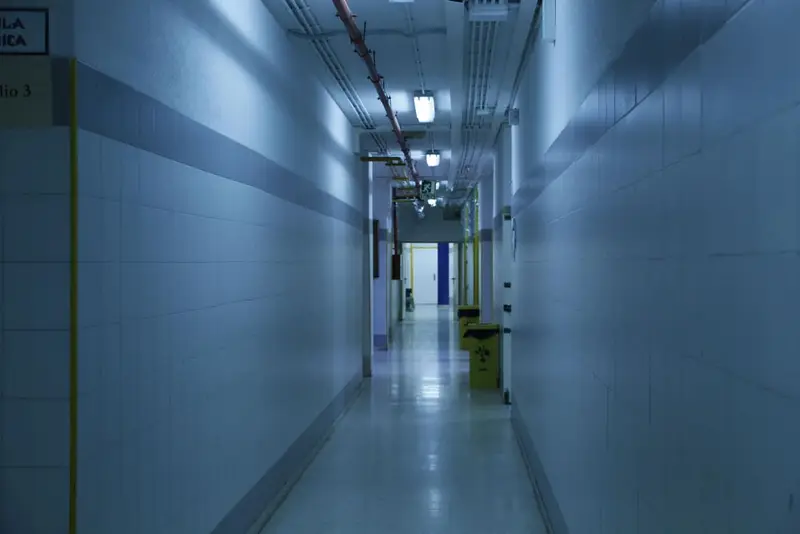
Healthcare & Medical Floor Coatings
Seamless, coved, disinfectant-resistant floor systems for hospitals, clinics, surgical suites, and medical offices across New Jersey and eastern Pennsylvania. Engineered to be a working part of infection control, and phased around patient-care areas so nothing stops.
- Resinous & antimicrobial-option systems
- NJ + Eastern PA
- 20+ years installing
- Free on-site assessment
- Infection-Control Ready
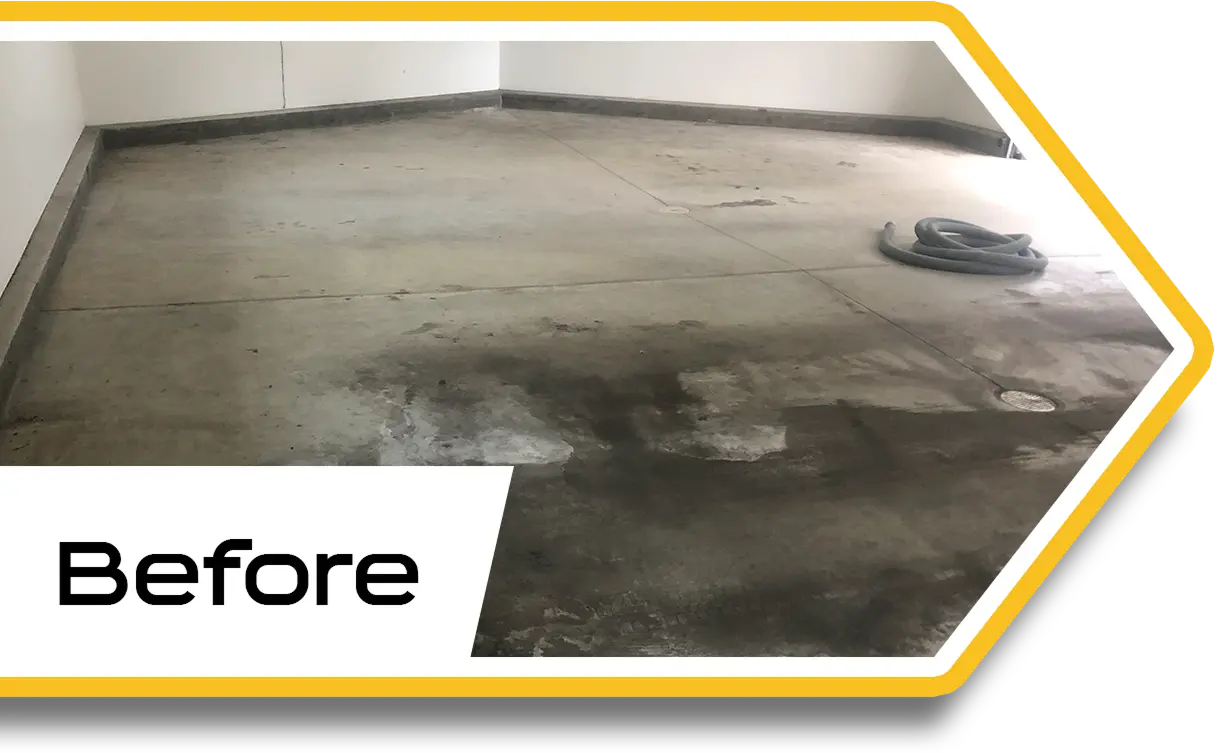
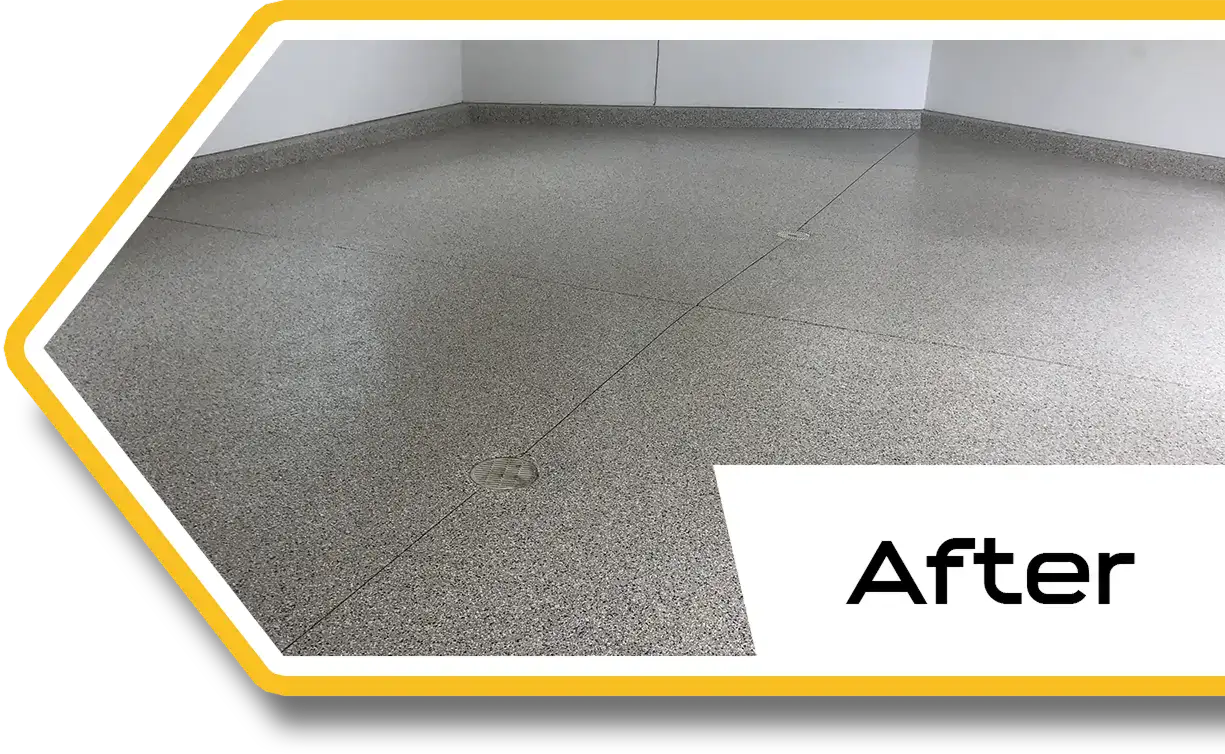
- Seamless, non-porous, fully sanitizable surface
- Integral Coved Base
- No floor-to-wall corner to trap residue
- 20+ Years Experience
- Resinous & epoxy installs across NJ & PA
- Phased Around Patients
- Wing-by-wing, off-hours, fast-cure options
The healthcare floor problem
In a clinical space the floor is either helping infection control or fighting it
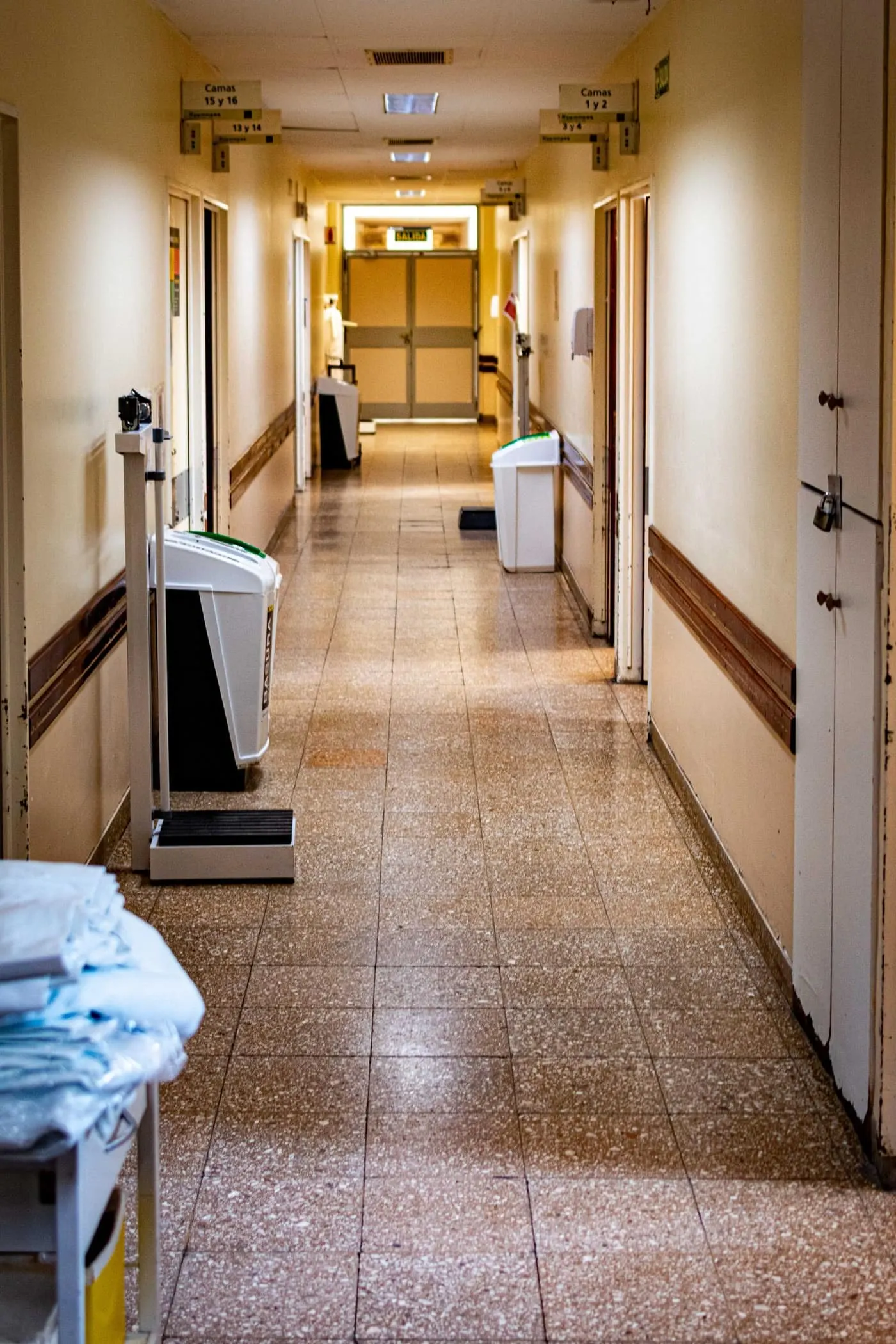
A medical floor lives under relentless disinfection, constant rolling loads from beds, gurneys, med carts, and imaging equipment, and spills of blood, saline, and harsh cleaning agents. The places a pathogen hides are exactly the weak points in ordinary flooring: grout lines, sheet-goods seams, and the right-angle corner where the floor meets the wall.
Tile and VCT trap moisture and residue in their joints, and a hard 90-degree base collects the very contamination crews are trying to remove. When a floor cannot be cleaned all the way into its corners, it stops supporting the facility and starts quietly working against it.
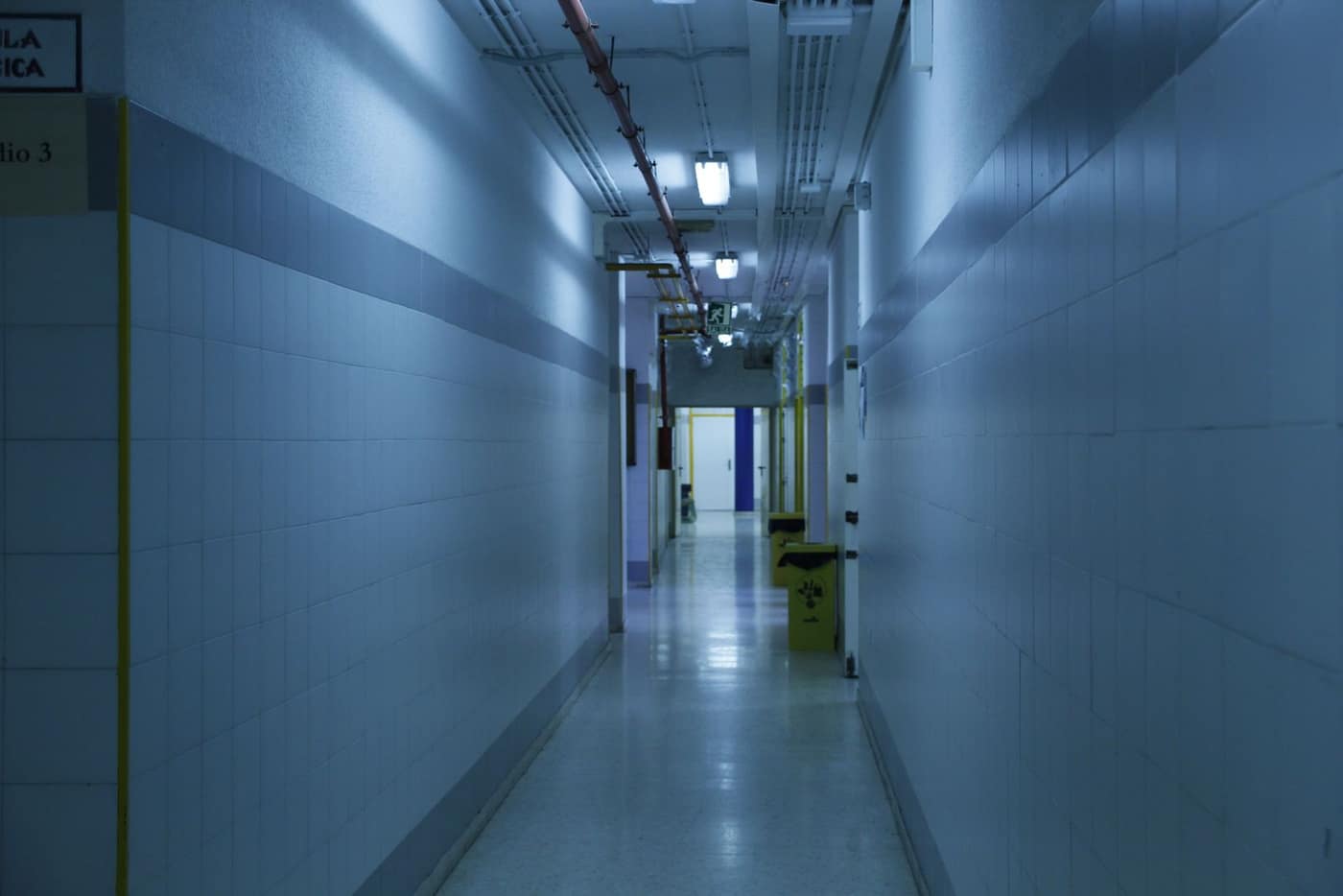
Zone-by-zone
We spec each area of the building for the job it actually does
No single coating is right everywhere. Here is how we read a healthcare facility and match the chemistry to the punishment.
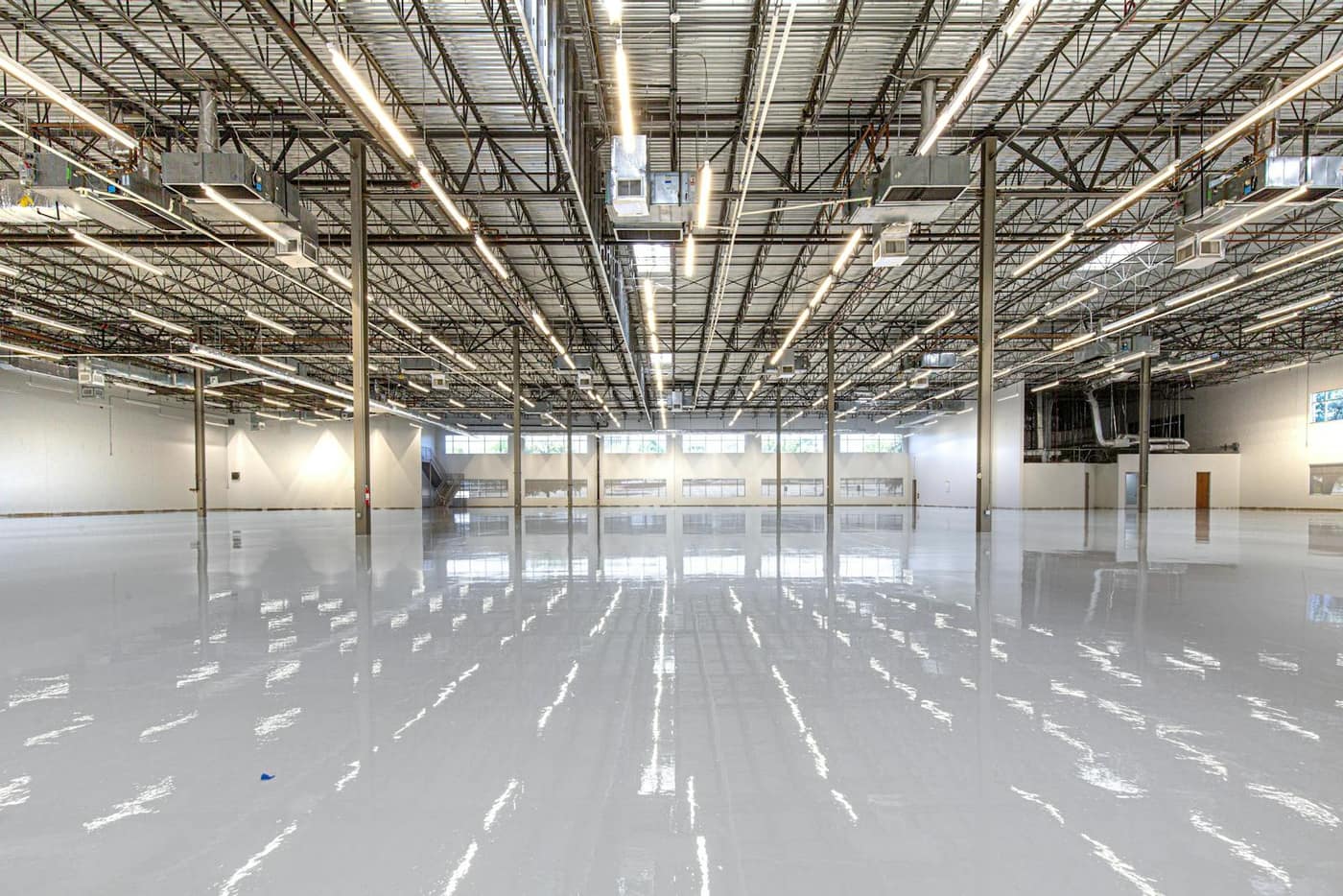
Material choice
Why tile and VCT lose to seamless resinous in clinical space
In a clinical space the floor is graded on one thing above all: can environmental services clean every square inch of it, including the corners. A grouted or seamed floor gives moisture and microbes somewhere to live, and a square floor-to-wall base gives them a corner that a mop and a wipe never fully reach. Before we choose a system we profile the slab, confirm it’s dry and sound, and detail the cove and drain transitions so contamination has nowhere to hold onto. Where the water table runs high or the area is low or below grade, a moisture test is worth doing first.
For clinical and controlled areas, seamless resinous systems are the workhorse: poured as one continuous, non-porous membrane, carried up the wall in an integral cove, and formulated to take repeated hospital-grade disinfection without chalking or breaking down. Where a room sees the heaviest rolling loads or standing fluids, we step up to high-build epoxy or cementitious urethane, and antimicrobial additives can be blended into the resin where the design calls for them.
- Seamless and non-porous, with integral cove base, so there are no grout lines, seams, or square corners where bacteria, moisture, and residue collect. [FGI Guidelines · CDC]
- Disinfectant resistance to repeated cleaning with hospital-grade quaternary, bleach, and peroxide agents, matched to your protocol. [Sherwin-Williams · Stonhard]
- Abrasion and rolling-load durability for constant bed, gurney, and equipment traffic, with resinous toppings in the 8,000 to 12,000 psi range. [ASTM C579]
- Slab kept dry and sound before any coating goes down, since trapped moisture is the leading cause of premature failure; on a high water table or below-grade slab we recommend an ASTM moisture test first. [ASTM F2170 · F1869]
- Antimicrobial-additive options blended into the resin to inhibit microbial growth on the surface where specified. [Product-dependent]
How it works
From your first call to the final coat
We map the whole job before we touch the floor, then phase the work around your production.
- Free Quote(877) 376-9965No-cost on-site assessmentGet my quote
Call or Contact Us
Tell us about your facility and timeline.
- Walk-through
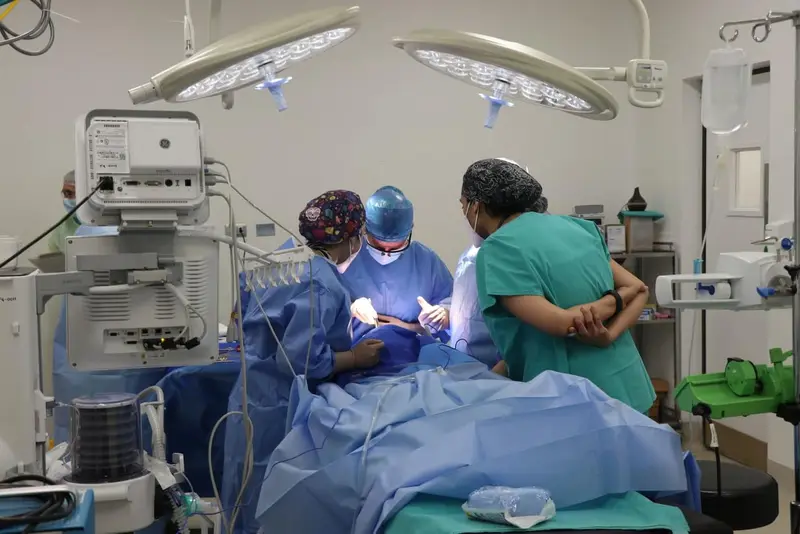
- Procedure rooms
- Patient corridors
- Soiled utility
Consultation
A free walk-through and a per-area floor spec.
- Slab PrepProfiledDry & sound
Preparation
Slab profiled and confirmed dry and sound before coating.
- Sealed
Installation
Seamless coved system installed, phased around care.
Standards & specifications
Built to the standards healthcare facilities are held to
We don’t claim certifications we don’t hold. We install systems that can be specified to meet the requirements that matter to a clinical facility, and we name the standards behind them so your team can confirm the spec.
Seamless, sanitary detailing
Seamless, non-porous surfaces with integral cove base remove the seams, grout lines, and right-angle corners where pathogens and moisture collect, which is what current healthcare facility guidance expects of a cleanable floor. [FGI Guidelines · CDC]
Slab moisture testing
The slab has to be dry and sound before coating, since trapped slab moisture is a leading cause of coating failure. Where the water table runs high or the slab is below grade or flood-prone, a moisture test is worth doing first, using the recognized methods: in-situ relative-humidity probes (F2170) and/or anhydrous calcium-chloride MVER (F1869). [ASTM F2170 / F1869]
Slip resistance (wet)
Aggregate broadcast into wet and high-risk areas, targeting the ANSI A326.3 wet DCOF benchmark of 0.42, tuned so the floor still rolls carts cleanly and stays honest that no wet floor is ever fully slip-proof. [ANSI A326.3]
Compounding-area surfaces
For sterile (USP <797>) and hazardous-drug (USP <800>) compounding areas we can specify seamless, non-shedding, coved systems that meet the smooth, impervious, cleanable surface requirements those chapters govern. [USP <797> / <800>]
Wear & abrasion strength
Resinous toppings carry compressive strength in the 8,000 to 12,000 psi range under ASTM C579, so the floor holds up to constant bed, gurney, and equipment rolling loads. [ASTM C579]
Antimicrobial & color zoning
Antimicrobial additives can be blended into the resin where your design calls for them, and color zoning can mark wayfinding, isolation, and clearance areas within the seamless surface. [Product-dependent]
We install products that carry healthcare credentials and specify systems that can meet FGI, USP, and infection-control requirements. We don’t market Jersey Epoxy as certified, because those certifications are issued to products and facilities, not to a contractor.
Benefits
A properly specified healthcare floor is part of infection control, not just a surface
Seamless & Non-Porous
No grout lines, seams, or open joints means bacteria, viruses, and moisture have nowhere to harbor, so the floor can be sanitized edge to edge.
Integral Coved Base
The floor curves up the wall in a sealed cove, removing the right-angle corner where residue and contamination collect and cannot be reached.
Disinfectant Resistance
The surface withstands relentless cleaning with hospital-grade disinfectants without chalking, hazing, or breaking down over time.
Rolling-Load Durability
Hard, high-build resinous and epoxy systems take constant bed, gurney, med-cart, and imaging-equipment traffic without gouging or wearing through.
Antimicrobial Options
Where the design calls for it, antimicrobial additives are blended into the resin to inhibit microbial growth on the floor surface itself.
Phased, Low-Downtime Install
Fast-cure systems and wing-by-wing scheduling bring a room or corridor back into service quickly, so a floor job never closes the facility.
Recommended systems
The systems we reach for in a medical facility
Curated for clinical environments. Explore the chemistry behind each.
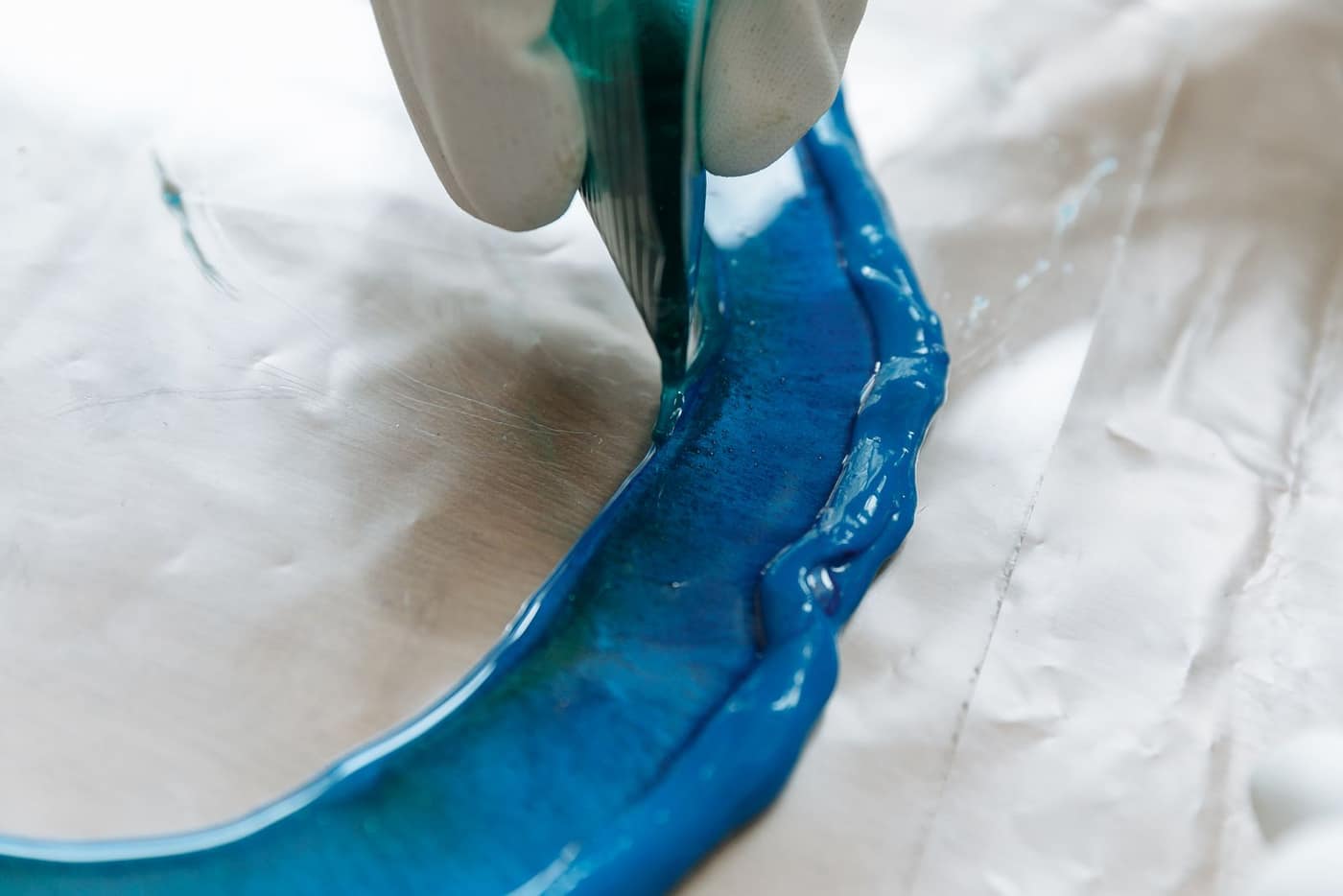
Resinous Flooring
Seamless, non-porous, and non-shedding: the default infection-control system for procedure rooms, corridors, and controlled spaces.
Explore system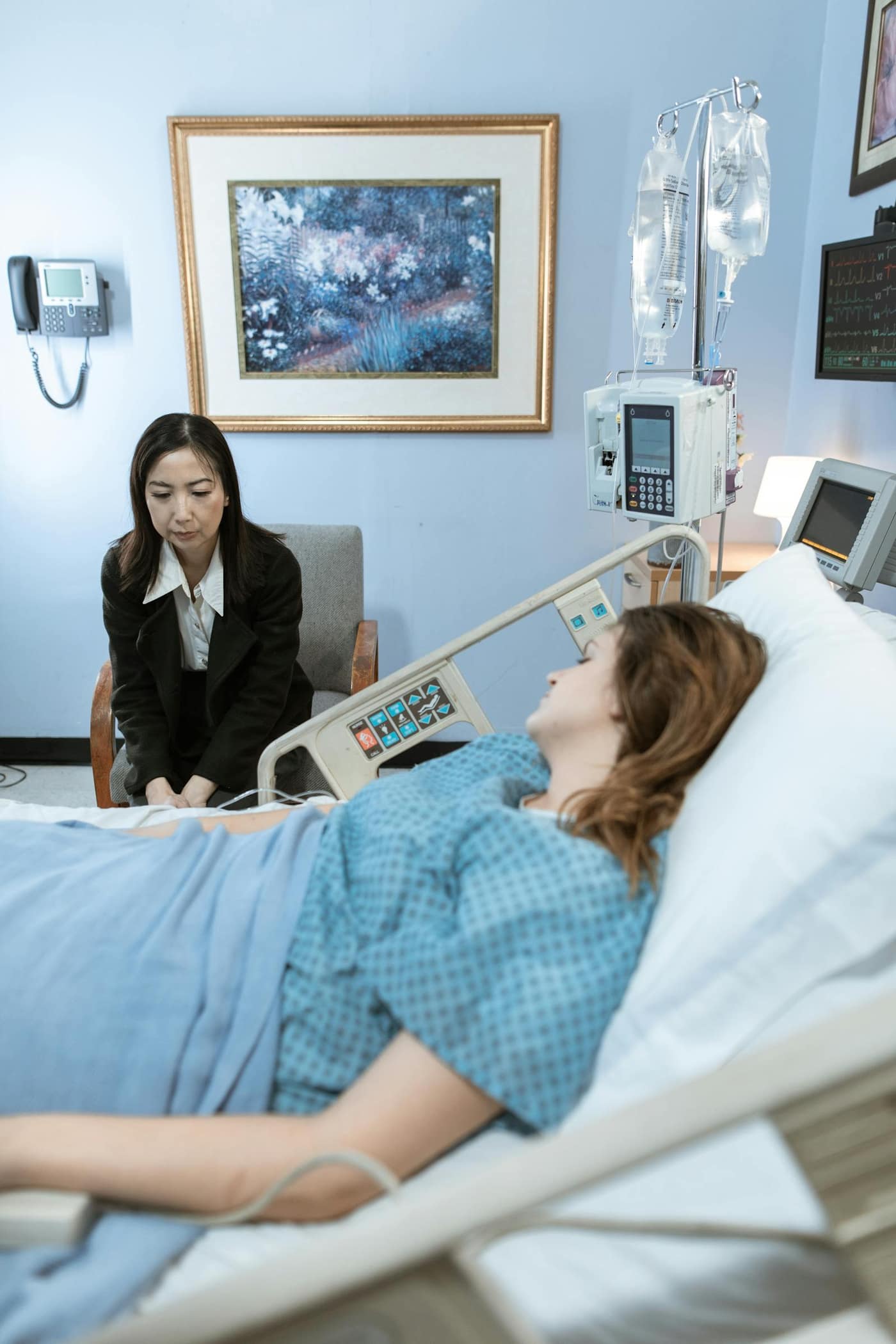
Epoxy Flooring
A hard, cleanable, high-build surface for patient rooms and corridors that take constant rolling loads and daily disinfection.
Explore system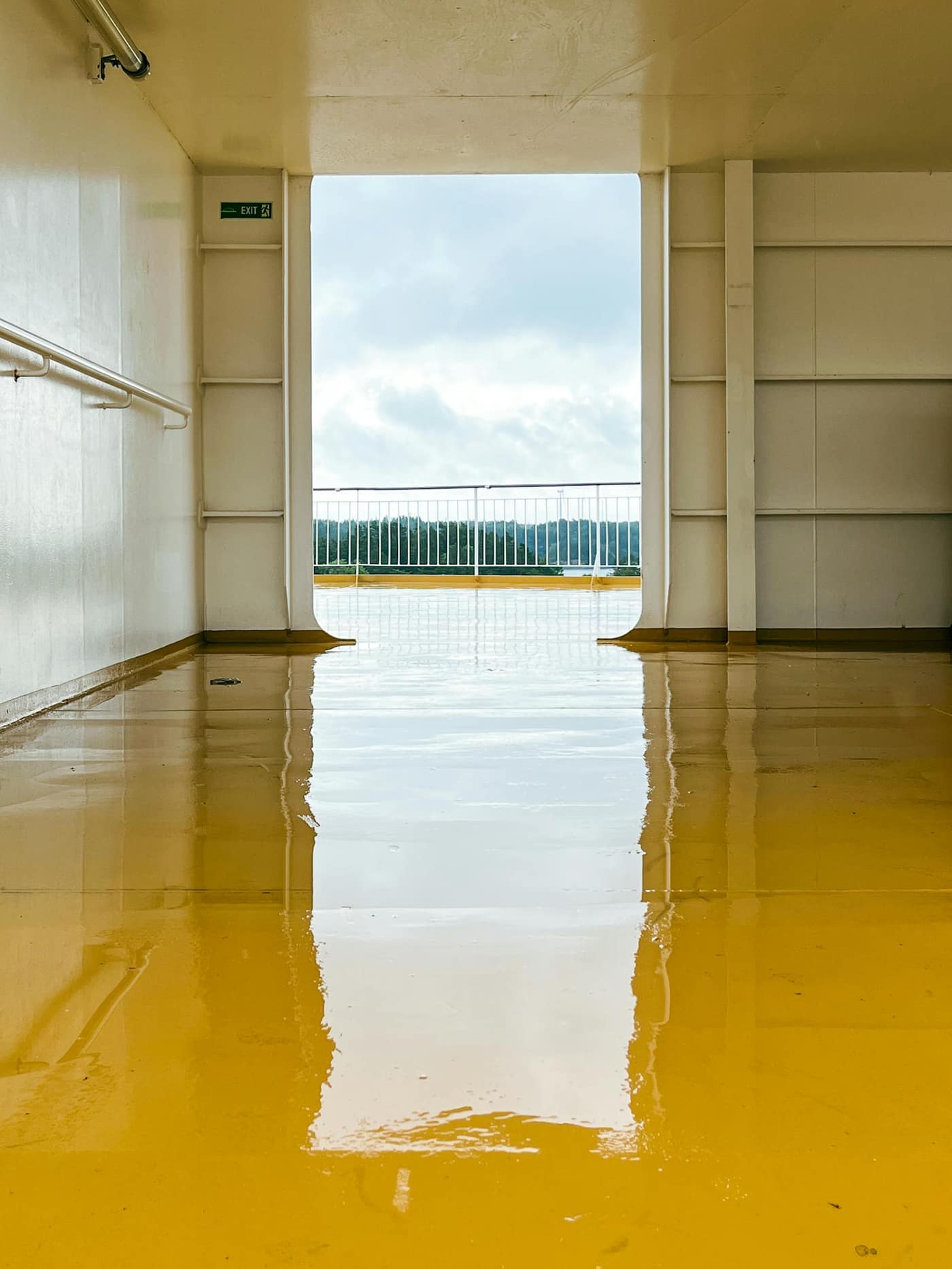
Flake Epoxy
Decorative, durable, and slip-tunable: a calm, professional finish for lobbies, waiting rooms, and clinic floors that still cleans like clinical space.
Explore systemProudly Serving New Jersey & Eastern PA
Our crews are on the road daily. Select your region to see our coverage.
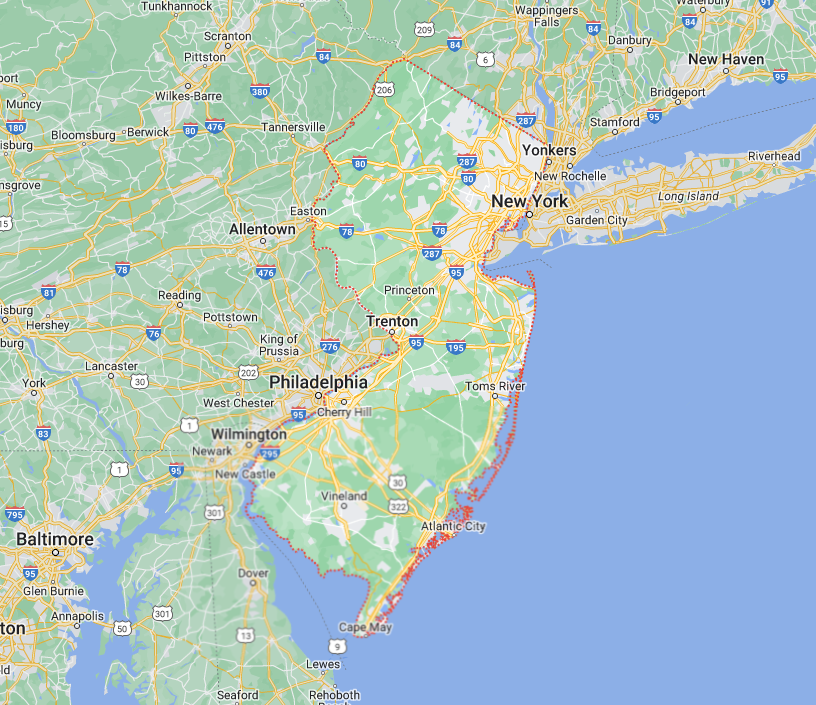
New Jersey
Statewide Coverage- Monmouth & Ocean County
- Bergen & Essex County
- Middlesex & Mercer County
- Atlantic & Cape May County
- Morris & Somerset County
FAQ
Healthcare flooring questions, answered straight
How does the floor actually help with infection control?
A seamless, non-porous floor with integral cove base removes the seams, grout lines, and right-angle corners where bacteria, viruses, and moisture collect, so the whole surface can be disinfected. Taking away those harbor points is what lets the floor support reducing the risk of healthcare-associated infections.
Will it stand up to our disinfectants?
Yes, when specified for it. We match the resin chemistry to the quaternary, bleach, or peroxide agents your facility actually uses, so the surface takes relentless cleaning without chalking, hazing, or degrading.
Can the floor meet USP 797 and 800 for our pharmacy?
We install seamless, non-shedding, coved systems that can be specified to meet the smooth, impervious, cleanable surface requirements that govern sterile (USP <797>) and hazardous-drug (USP <800>) compounding areas. Because the final classification depends on your facility design, we recommend confirming the spec with your compliance team.
Will it survive constant bed and equipment traffic?
Yes. We specify hard, high-build resinous and epoxy systems engineered for the rolling loads of beds, gurneys, med carts, and imaging equipment, so the floor does not gouge or wear through under daily use.
Can the floor be antimicrobial?
Antimicrobial additives can be blended into the resin to inhibit microbial growth on the surface itself. We include this where your design calls for it, without claiming it replaces your cleaning protocol.
How do you install without shutting the facility down?
We phase the work room by room or wing by wing, work off-hours where needed, and use fast-cure systems so a space returns to service quickly while still getting full slab preparation and coving.
Get started
Let’s spec a floor that works as hard as your infection-control program
Free on-site assessment, a per-area recommendation written around your cleaning protocol and infection-control plan, and a precise quote. We sequence the work wing by wing so beds stay in service while the floor goes down.
(877) 376-9965 · talk to an installerRated 5 stars by New Jersey homeowners & businesses
Powered by Google
 No Obligation