
Distribution Center & Logistics Floor Coatings
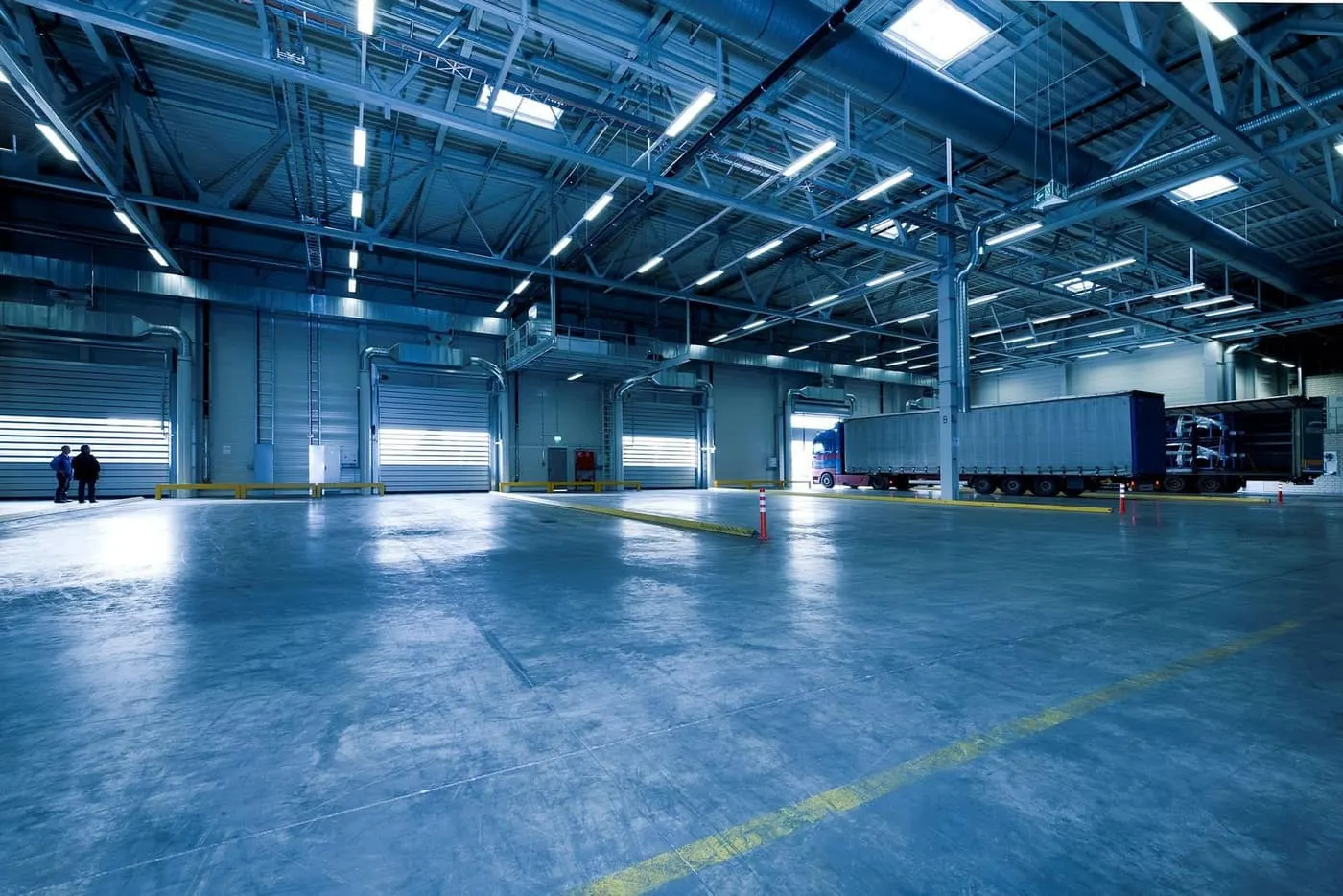
Forklift-rated, low-dust floor systems for distribution centers, 3PL warehouses, and fulfillment buildings across New Jersey and eastern Pennsylvania. Built to take concentrated wheel loads down long aisles, protect your control joints, and phase back online without going dark.
- High-build, resinous & polished systems
- NJ + Eastern PA
- 20+ years installing
- Free on-site assessment
- Forklift-Traffic Rated
- Sized for turret, reach, and counterbalance wheel loads
- Control Joints Protected
- Semi-rigid fillers carry loads across the joint
- 20+ Years Experience
- High-build, resinous & polished installs
- Phased Around Throughput
- We coat by zone so the building keeps shipping
The distribution-center floor problem
At logistics scale the floor fails at the joints and dusts everywhere else
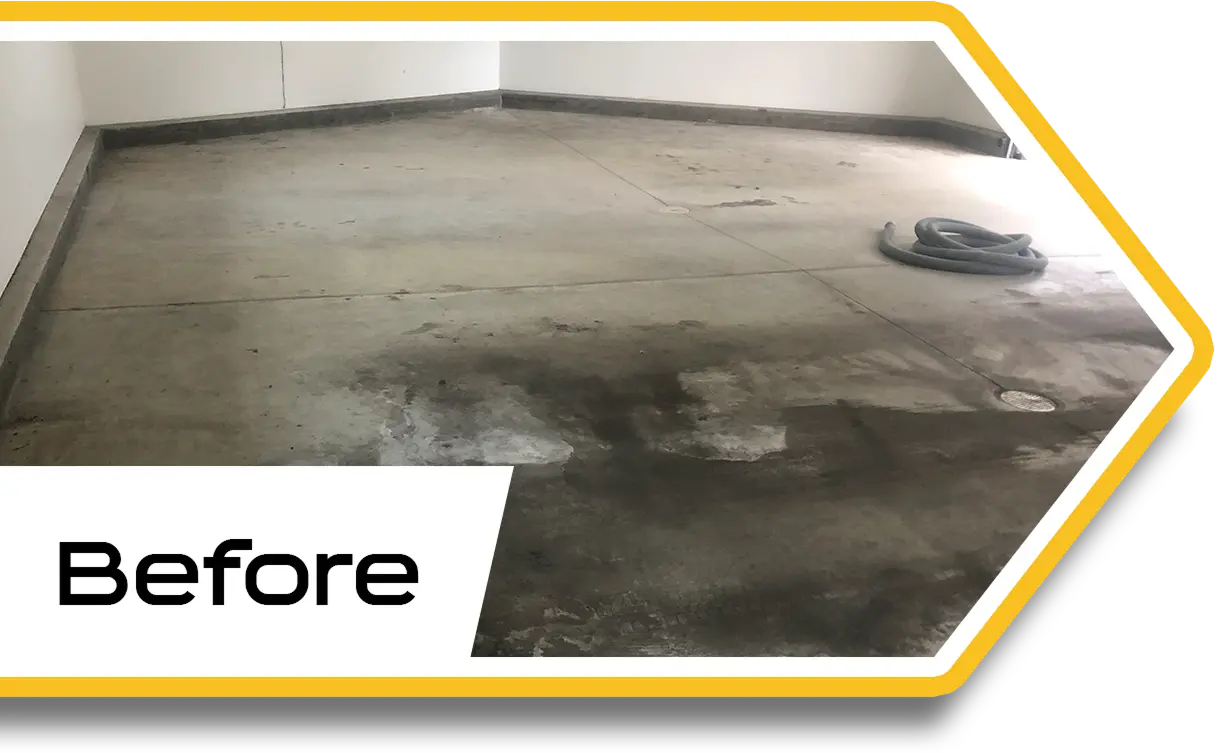
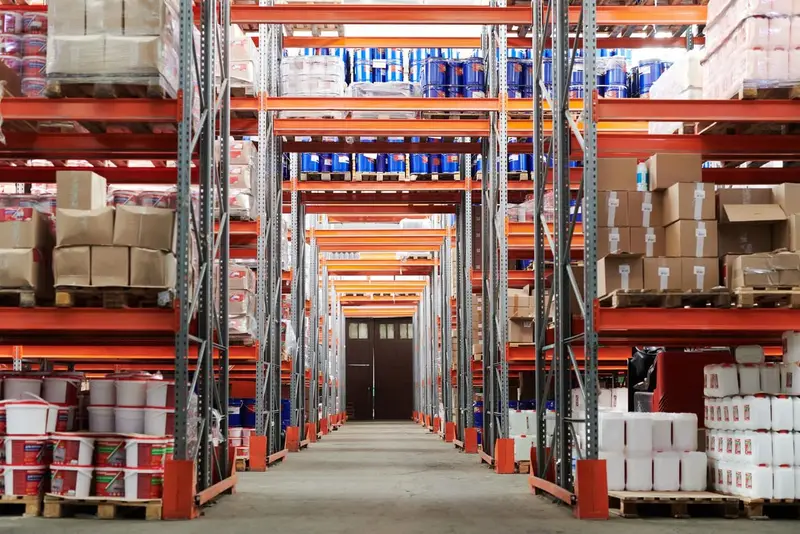
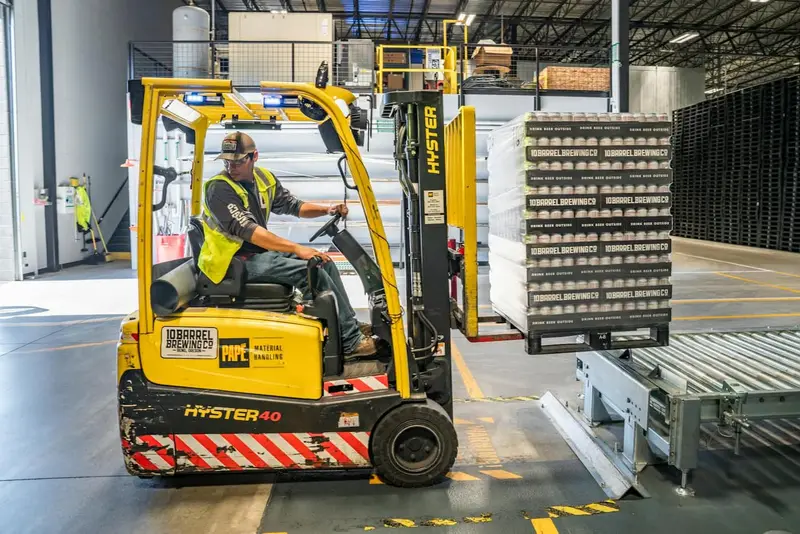
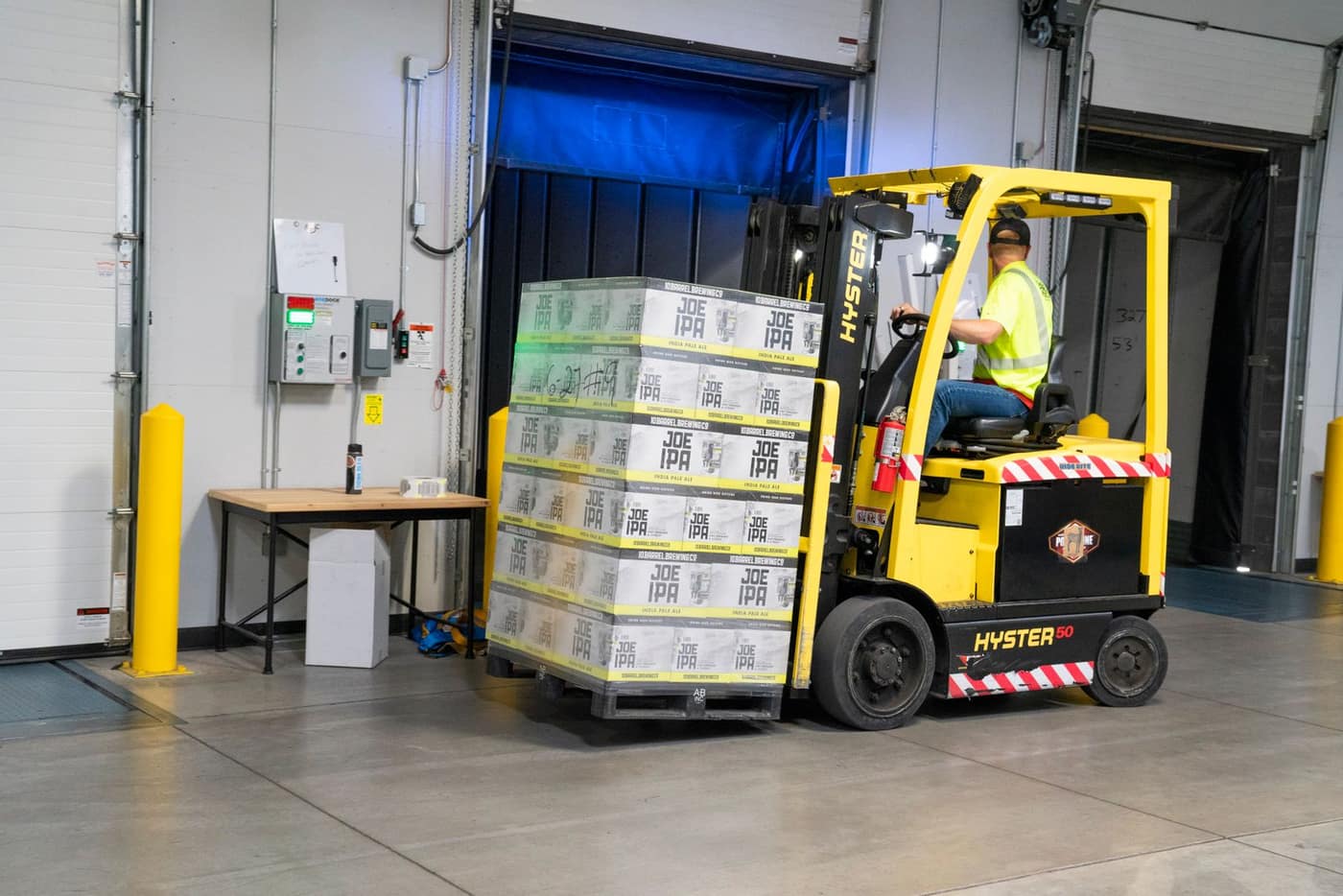
A distribution floor runs around the clock under loaded counterbalance and turret trucks, hard-wheeled pallet jacks, and racking that drives a fixed point load into the slab at every upright. Bare concrete cannot keep up. The two failures that show first are joint breakdown and dusting, and both spread fast across a building measured in hundreds of thousands of square feet.
Hard polyurethane and steel wheels hammer the edges of every control joint. Where a joint is empty or filled with a soft sealant, the edges chip and spall, the gap widens, and each pass gets rougher and noisier until the lane needs repair. Meanwhile the open floor sheds fine concrete dust onto inventory, into barcode scanners, and through MHE air filters, so even a sound slab quietly works against the operation.
Zone-by-zone
We spec each area of the building for the job it actually does
No single coating is right everywhere. Here is how we read a distribution floor and match the chemistry to the punishment.
Material choice
Why one system rarely fits a whole distribution building
The honest answer at logistics scale is that the right floor is a mix. Forklift lanes, racking bays, docks, and pick areas each take a different kind of abuse, and the budget per square foot only stretches so far across a building this size. We read the traffic, the wheel type, the joint condition, and the slab, then spec each zone for the job it actually does.
Busy travel lanes get a high-build epoxy or resinous wear layer that takes concentrated loads and turning without grinding through. Large open and racking areas often do best as polished, densified concrete: hard, light-reflective, and low-maintenance at a lower cost per square foot than a full coating. The thread that ties it together is joint protection, because no surface system survives if the control joints under it keep spalling.
- Joint-edge protection. Semi-rigid joint fillers in the Shore A 80 to 90 range support the edges and transfer wheel loads across the joint, the recognized defense against hard-wheel spalling. [ACI 302.1R §4.10]
- Hard-wheel abrasion resistance verified by the dressing-wheel test that simulates forklift, cart, and steel-caster wear on a floor. [ASTM C779 Proc. B]
- Slab dry and sound before any coating goes down; where the water table runs high we recommend a moisture test to recognized ASTM methods, since vapor is the usual cause of early coating failure. [ASTM F2170 · F1869]
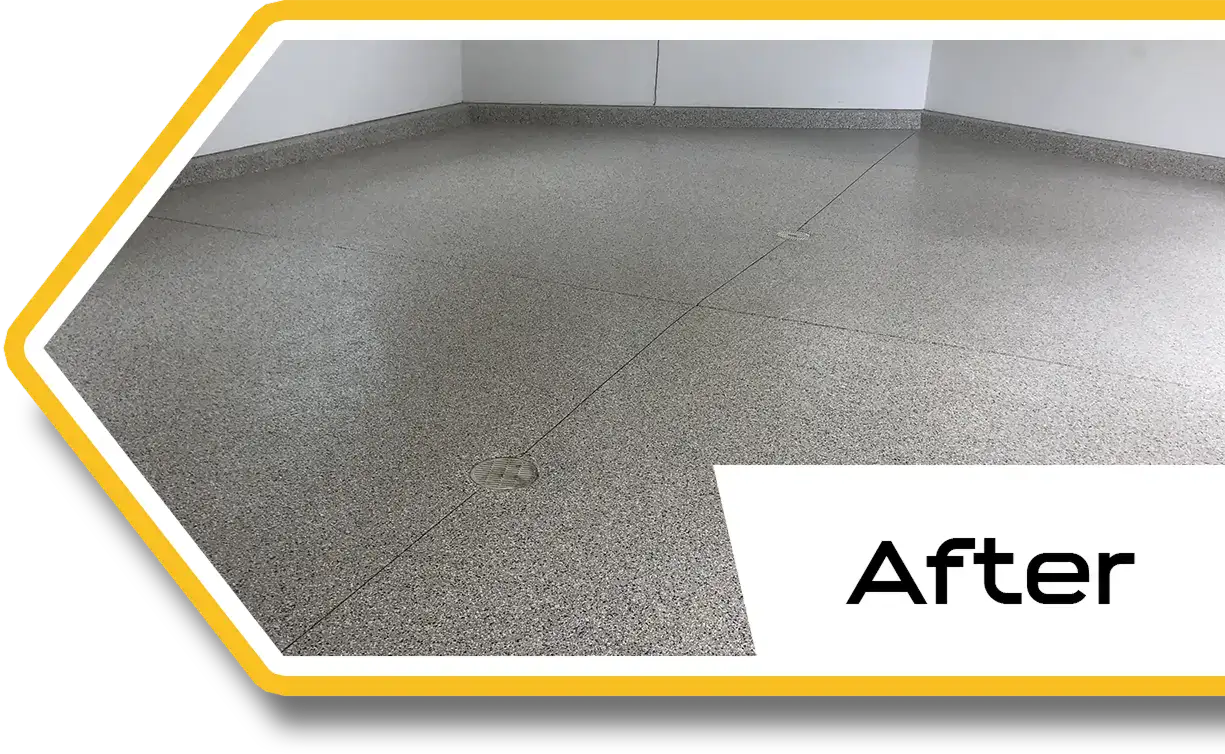
- Low-dust, light-reflective surface from densified polished concrete, where a chemical hardener reacts with the slab to bind the surface and cut the dust bare concrete sheds onto inventory and into scanners.
How it works
From your first call to the final coat
We map the whole job before we touch the floor, then phase the work around your production.
- Free Quote(877) 376-9965No-cost on-site assessmentGet my quote
Call or Contact Us
Tell us about your facility and timeline.
- Walk-through
- Forklift aisles
- Racking bays
- Dock & staging
Consultation
A free walk-through and a per-zone floor spec.
- Slab PrepProfiledDry & sound
Preparation
Slab profiled and confirmed dry and sound before coating.
- Sealed
Installation
Seamless system installed, phased around your operations.
Standards & specifications
Built to the standards a logistics floor is held to
We do not claim certifications we do not hold. We install systems that can be specified to meet the requirements that matter to a high-throughput building, and we name the standards behind them.
Control-joint protection
Semi-rigid joint fillers in the Shore A 80 to 90 range fill control and construction joints flush, supporting the edges and transferring hard-wheel loads across the joint to stop spalling. [ACI 302.1R §4.10]
Abrasion resistance
Wear layers selected against the dressing-wheel (Procedure B) test, which simulates the impact and sliding of forklifts, carts, and steel or hard-rubber casters common in a distribution center. [ASTM C779]
Slab moisture testing
Worth confirming before coating with in-situ relative-humidity probes (F2170) and/or anhydrous calcium-chloride MVER (F1869), the recognized methods; we recommend a test where the water table runs high, so vapor does not lift the coating later. [ASTM F2170 / F1869]
Slip resistance (wet)
Aggregate broadcast into docks, ramps, and wash areas where trailers track in water and grit, targeting the ANSI A326.3 wet DCOF benchmark of 0.42. No wet floor is ever fully slip-proof. [ANSI A326.3]
Striping-ready surface
A hard, sealed topcoat that is ready to take OSHA safety-color aisle and hazard striping and hold it without lifting, so the lines a facility lays down last instead of wearing off bare concrete. [OSHA 29 CFR 1910.144]
We install systems and joint treatments that can be specified to meet ACI and ASTM requirements for an industrial floor. We do not market Jersey Epoxy as certified, because those standards apply to products, test methods, and facility practices rather than to a contractor.
Benefits
A properly specified logistics floor keeps the building fast, clean, and safe
Forklift & Turret Rated
High-build epoxy and resinous wear layers are sized to your wheel loads and turning, so the floor wears slowly even down the busiest lanes.
Joint Protection
Semi-rigid fillers support and carry loads across control-joint edges, stopping the spalling that hard wheels cause and keeping lanes smooth and quiet.
Low-Dust Surface
Sealing or polishing the slab ends the fine concrete dust that bare floors shed onto inventory, into scanners, and through equipment air filters.
Large-Area Value
Where a full coating is not needed, polished concrete delivers a hard, light-reflective, low-maintenance surface at a lower cost per square foot.
Phased Return to Service
We section the building and use fast-cure topcoats where a lane has to come back under racking and traffic on a schedule.
Striping-Ready Topcoat
A hard, sealed surface that takes OSHA safety-color aisle and hazard striping and holds it, so the lines a facility lays down do not wear off the way they do on bare concrete.
Recommended systems
The systems we reach for in a distribution center
Curated for high-throughput logistics. Explore the chemistry behind each.
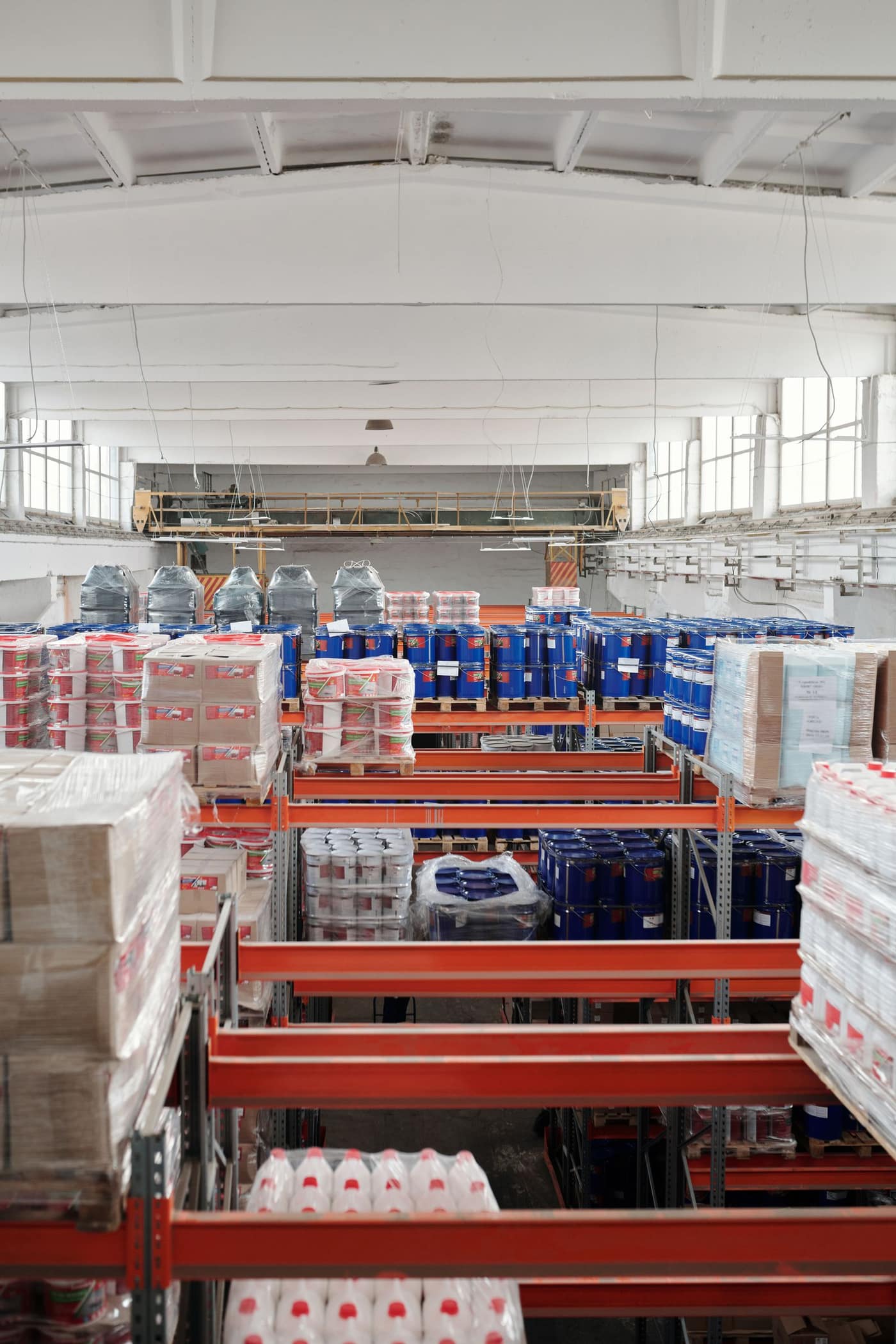
Epoxy Flooring
A hard, high-build wear layer for travel lanes and forklift aisles that take concentrated loads and constant turning.
Explore system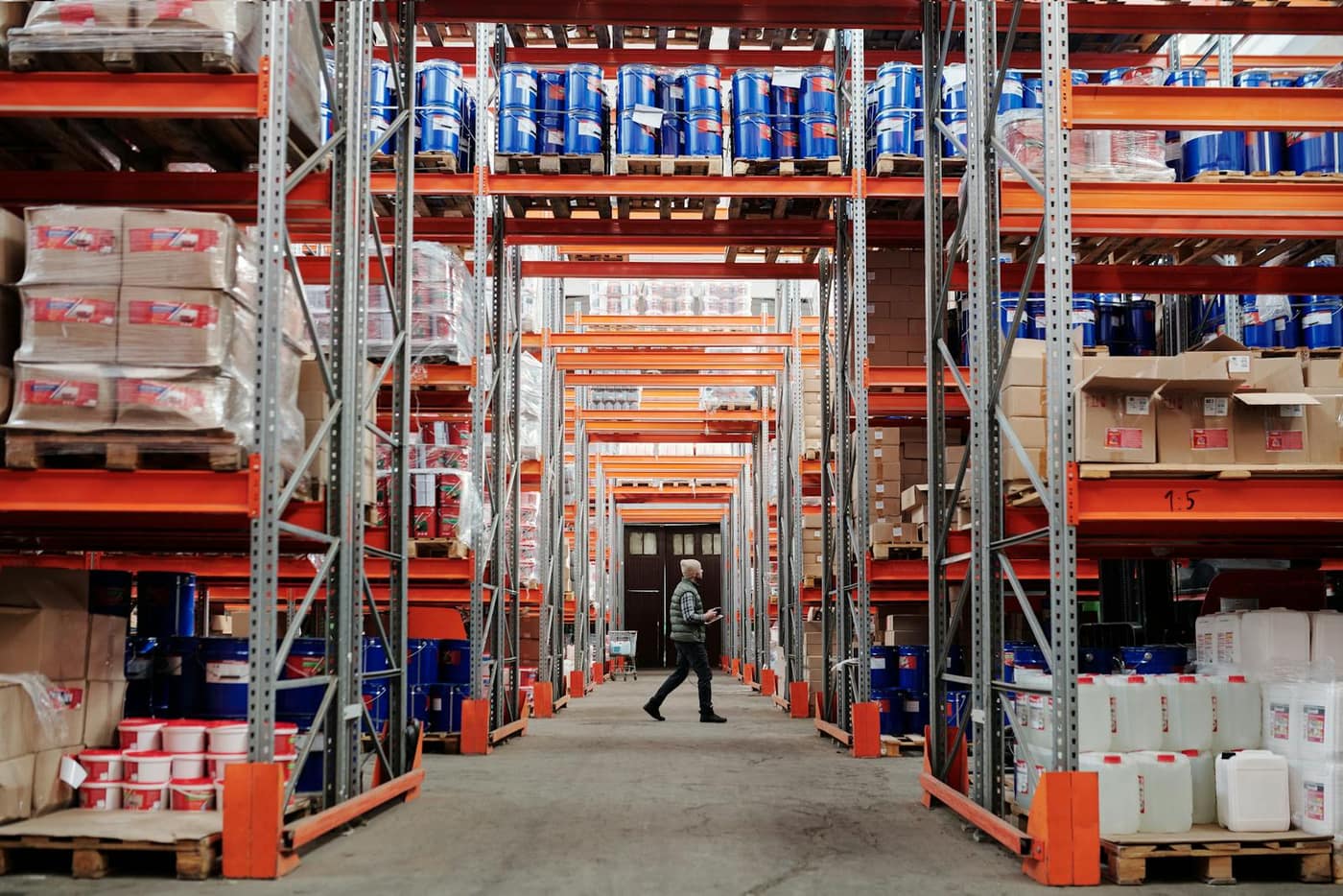
Polished Concrete
Densified and polished slab: hard, light-reflective, and low-dust, the value play across large open and racking zones.
Explore system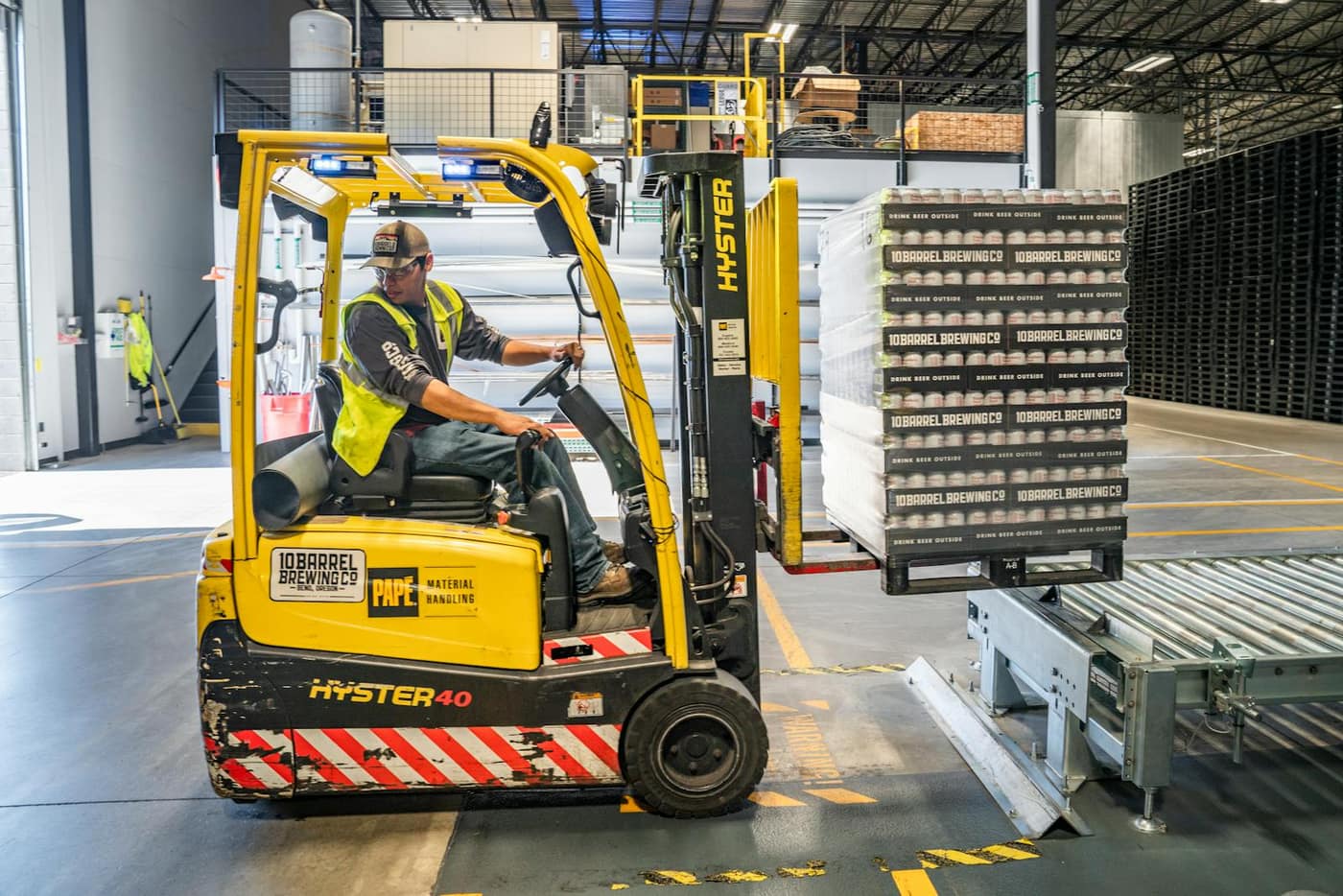
Resinous Flooring
Seamless, abrasion-resistant build with broadcast grit for docks, ramps, and staging where water and traffic meet.
Explore systemProudly Serving New Jersey & Eastern PA
Our crews are on the road daily. Select your region to see our coverage.
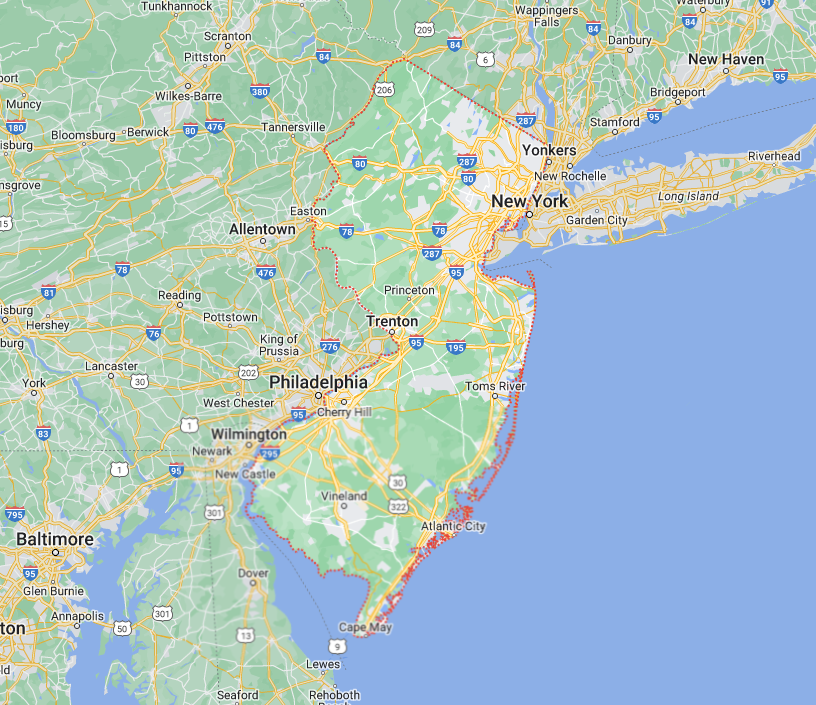
New Jersey
Statewide Coverage- Monmouth & Ocean County
- Bergen & Essex County
- Middlesex & Mercer County
- Atlantic & Cape May County
- Morris & Somerset County
FAQ
Distribution-center flooring questions, answered straight
Will the floor hold up to constant forklift and turret traffic?
Yes, when it is specified for it. We size the wear layer to your wheel type and load and select it against the ASTM C779 dressing-wheel abrasion test, which simulates forklift and steel-caster wear, so the floor wears slowly even down the busiest lanes.
Our control joints are spalling under forklift wheels. Can you fix that?
Yes, and it is the most common repair we do at logistics scale. Hard wheels break down unprotected joint edges. We fill the joints flush with semi-rigid fillers in the Shore A 80 to 90 range, the ACI 302.1R recommendation, so the filler supports the edges and carries the wheel load across the joint instead of letting it chip.
We have a huge floor. Is there a cost-effective option?
Yes. For large open and racking areas where a full coating is not required, polished and densified concrete gives a hard, low-dust, light-reflective surface at a lower cost per square foot. We can reserve the full epoxy or resinous build for the busiest lanes and docks.
How do you avoid shutting down the whole building?
We section the building and coat one zone while the rest keeps shipping, including nights and weekends, and use fast-cure topcoats where a lane has to come back under racking and traffic quickly.
Do you test the slab before coating?
The slab has to be dry and sound before any coating goes down, because vapor pushing up through the slab is the most common reason an industrial coating fails early. Where the water table runs high or the floor is low or below grade, we recommend a moisture test to recognized ASTM methods (F2170 and F1869).
Get started
Let us spec a floor that keeps your building shipping
Free on-site assessment, honest per-zone recommendations, and a precise quote. Phased around your throughput so racking and lanes come back online in planned stages.
(877) 376-9965 · talk to an installerRated 5 stars by New Jersey homeowners & businesses
Powered by Google
 No Obligation