
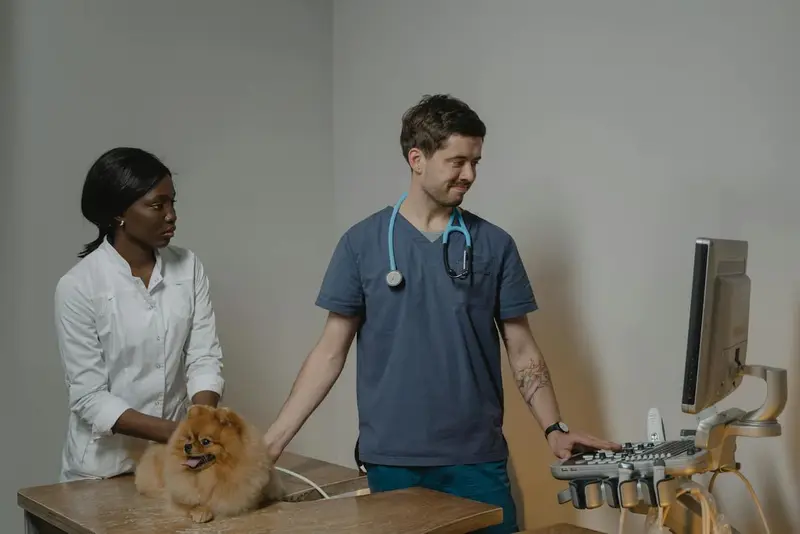
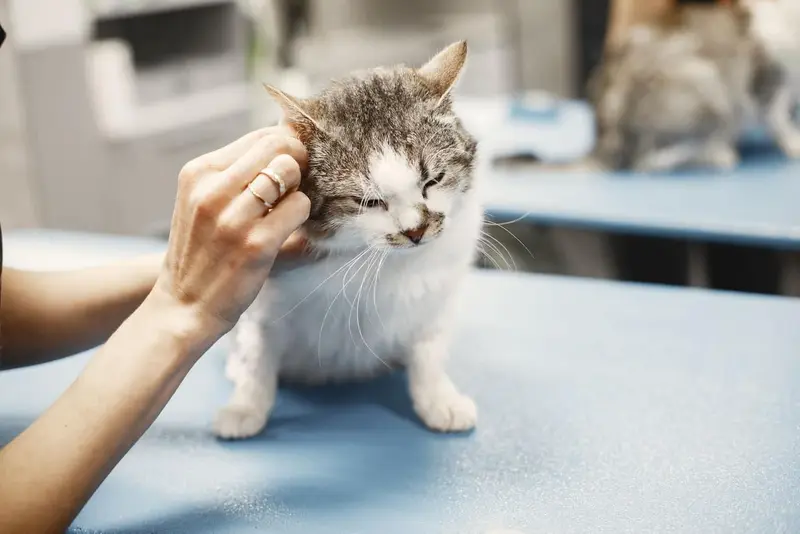
Veterinary & Animal-Care Floor Coatings
Seamless, coved, urine- and disinfectant-resistant floor systems for veterinary clinics, animal hospitals, and boarding kennels across New Jersey and eastern Pennsylvania. Built to clean to a clinical standard, hold up to claws and cage-wash, and stay safe underfoot when wet.
- Seamless resinous & epoxy systems
- NJ + Eastern PA
- 20+ years installing
- Free on-site assessment
- Urine & Odor Sealed Out
- Non-porous surface, integral cove base
- Disinfectant Rated
- Withstands repeated clinical cleaning
- 20+ Years Experience
- Resinous & epoxy installs
- Phased Around Patients
- We work room by room, ward by ward
The veterinary floor problem
Animal-care floors have to be clinic-clean and take a beating
A veterinary floor faces a contradiction most commercial floors never see: it has to hold up to claws, dropped equipment, cage-wash, and constant traffic, while at the same time cleaning and disinfecting to the standard a medical space demands. Bare or tiled floors lose on both counts.
Urine is the quiet killer. It carries ammonia and salts that soak into porous concrete and wick under tile grout, where it stains, breeds bacteria, and produces an odor no mop can lift. The American Animal Hospital Association is blunt that porous or damaged surfaces cannot be effectively cleaned or disinfected. The fix is a seamless, non-porous floor that keeps liquid on top, coved at every wall so there is no corner for waste to hide in.
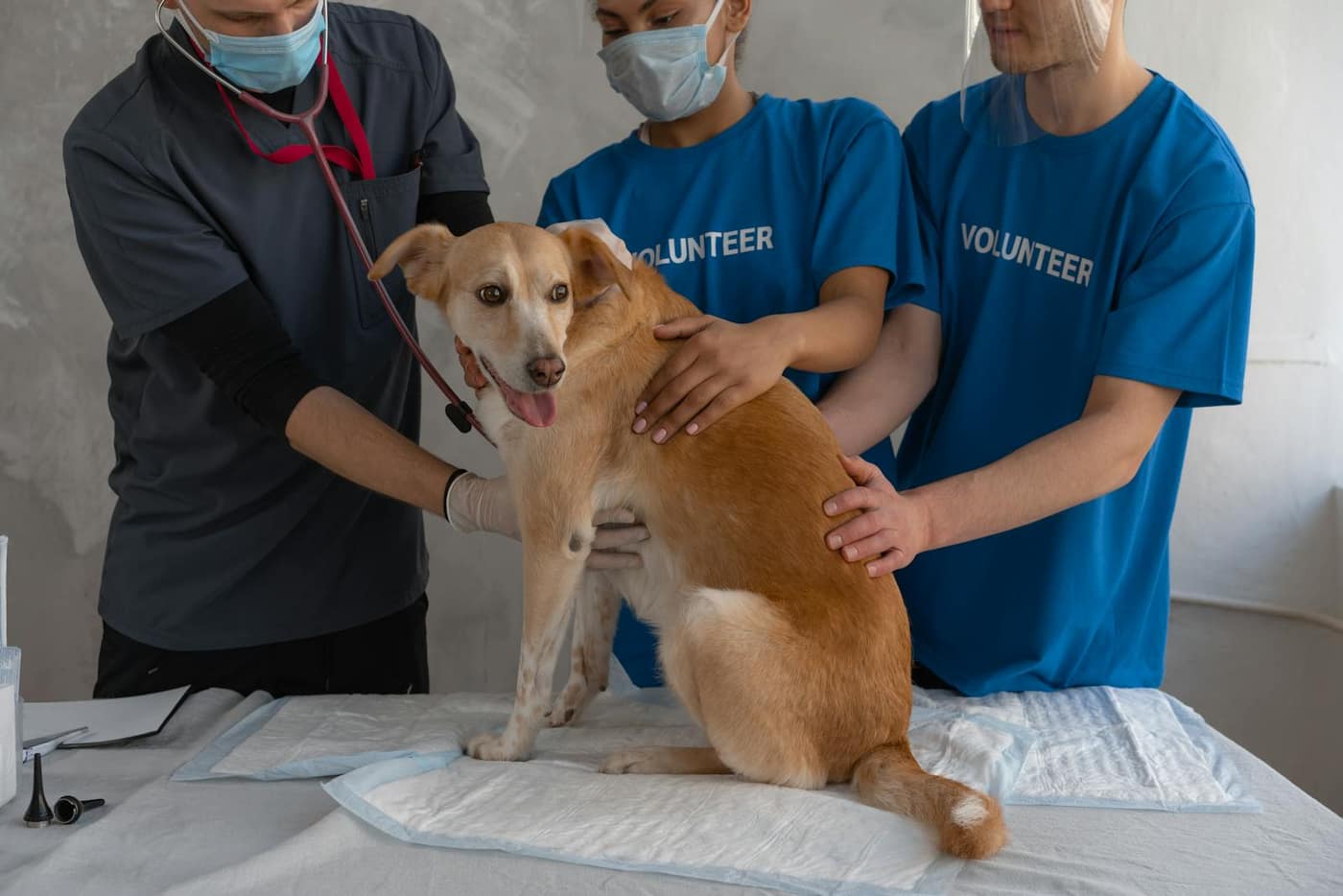
Zone-by-zone
We spec each area of the building for the job it actually does
No single coating is right everywhere. Here is how we read a clinic floor and match the chemistry to the punishment.
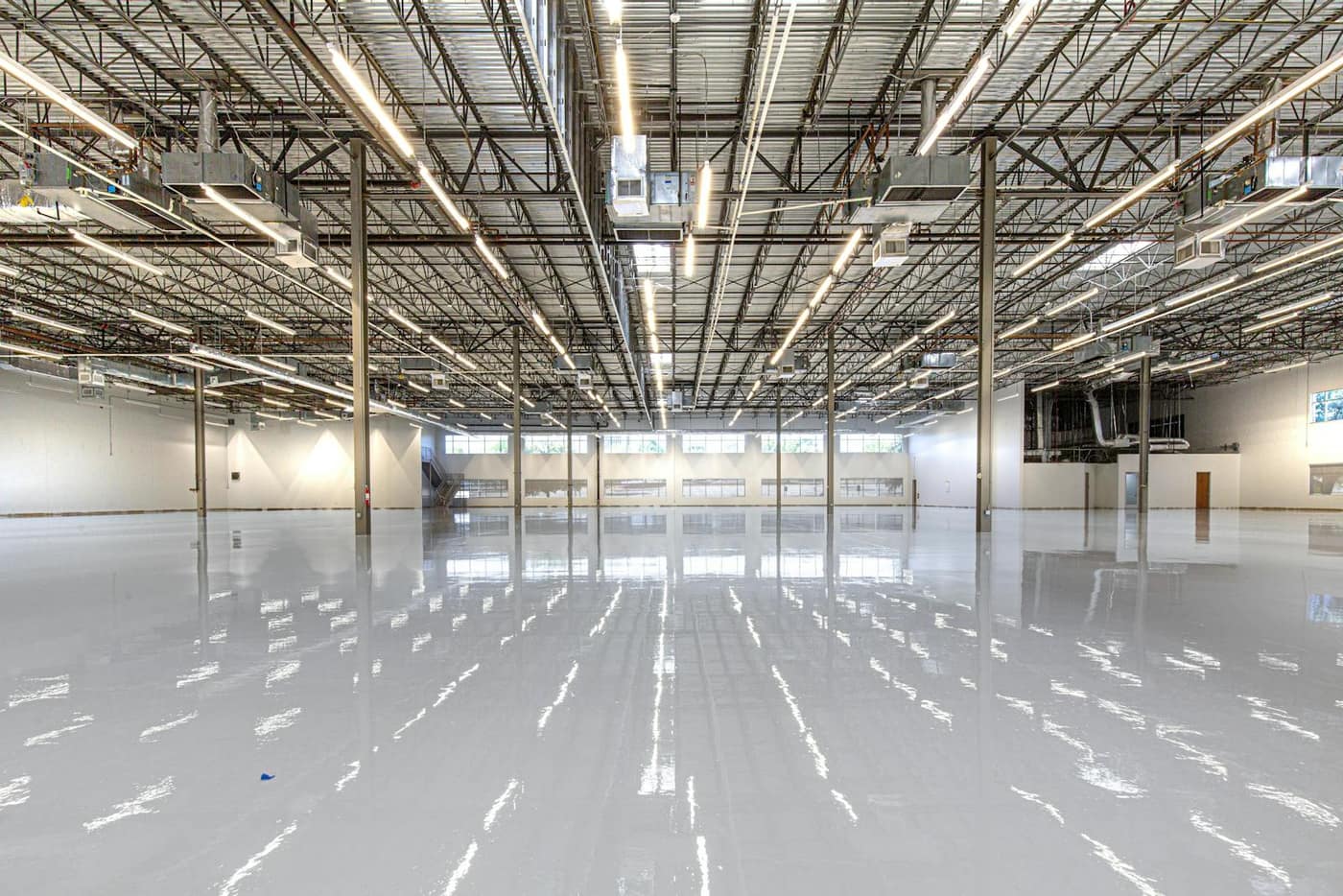
Material choice
Why tile and bare concrete fail in an animal facility
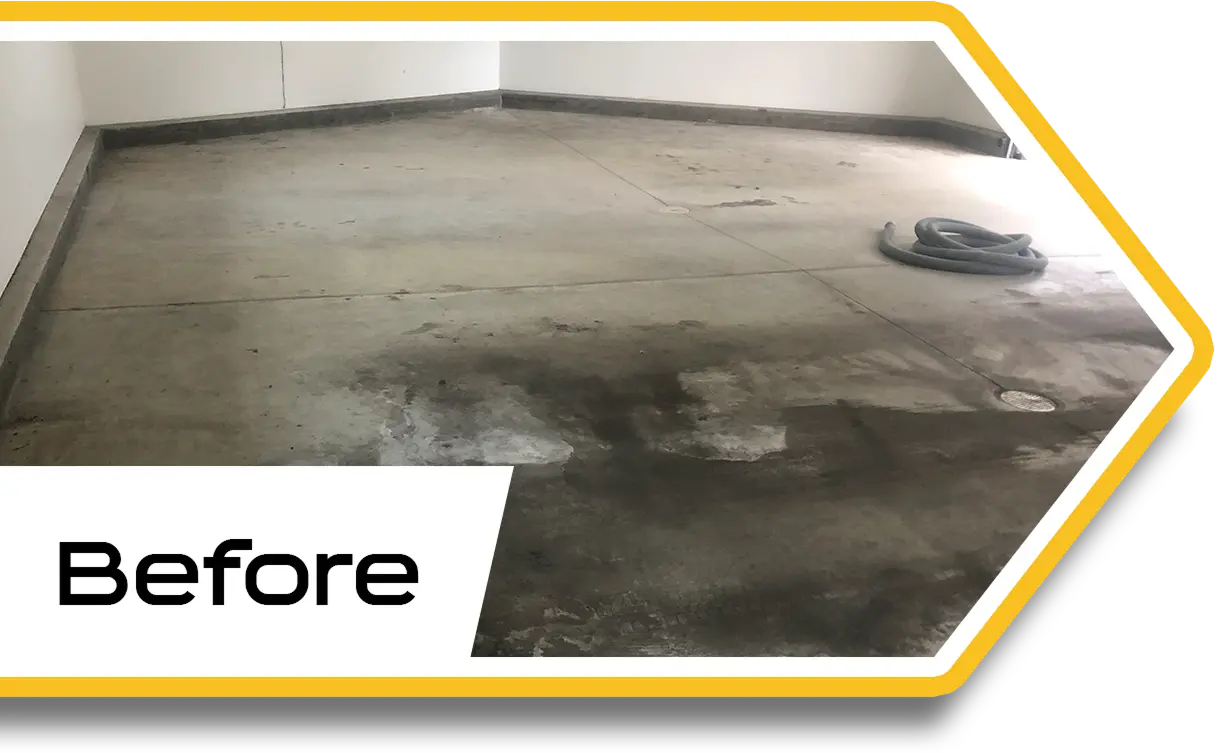
Tile fails at the grout: it is porous, it cracks, and urine and disinfectant work into the joints until the lines hold odor and bacteria for good. Bare or sealed-only concrete is porous too, so it stains, dusts, and absorbs everything spilled on it. Both leave seams and square corners that a clinic can never truly clean.
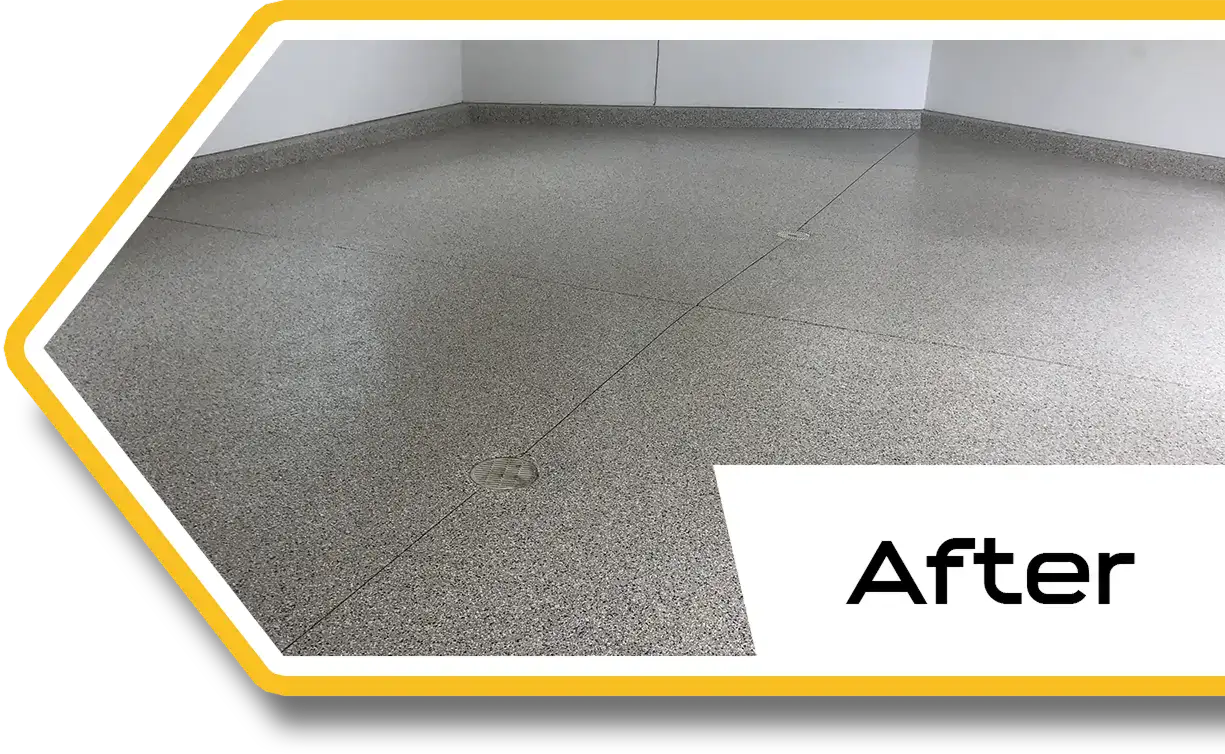
A seamless resinous floor solves the sanitation side: it is one continuous non-porous surface with integral coving up the walls, so urine, waste, and wash water stay on top and rinse away with no joint to soak into. For cage-wash and hydrotherapy areas that take hot-water washdown, we switch the chemistry to cementitious urethane, whose cement binder moves with the slab through thermal cycling instead of cracking off it. Where the room calls for it, we blend an EPA-registered antimicrobial additive into the resin to inhibit growth on the surface.
- Non-porous to urine, fluids, and disinfectants, so nothing soaks into the slab to stain or hold odor. [AAHA Infection Control Guidelines]
- Seamless with integral cove base, removing the grout lines and square corners where waste and bacteria collect. [AAHA Infection Control Guidelines]
- Antimicrobial additive options blended into the resin, with surface activity evaluated by recognized test methods. [EPA-registered · ISO 22196]
- Slab has to be dry and sound on the often-older, on-grade concrete typical of converted clinic spaces, and a moisture test to recognized ASTM methods is worth doing before any coating goes down. [ASTM F2170 · F1869]
How it works
From your first call to the final coat
We map the whole job before we touch the floor, then phase the work around your production.
- Free Quote(877) 376-9965No-cost on-site assessmentGet my quote
Call or Contact Us
Tell us about your facility and timeline.
- Walk-through
- Exam rooms
- Kennels
- Surgery
Consultation
A free walk-through and a per-zone floor spec.
- Slab PrepProfiledDry & sound
Preparation
Slab profiled and confirmed dry before coating.
- Sealed
Installation
Seamless system installed, phased around patients.
Standards & specifications
Built to the standards animal-care facilities are held to
A practice chasing AAHA accreditation or simply trying to pass a state board inspection is judged on whether its surfaces can actually be cleaned and disinfected. We install floors that can be specified to meet those expectations, and we point to the published standard behind each one instead of waving a certificate we were never issued.
Cleanable, non-porous surfaces
AAHA infection-control guidance is clear that porous or damaged surfaces cannot be effectively cleaned or disinfected. A seamless, non-porous floor with integral coving gives the smooth, harborage-free surface those protocols expect. [AAHA Infection Control]
Slab moisture testing
Vet slabs are often older and sit on grade, so trapped moisture is common. The slab needs to be dry before coating, and a moisture test to the recognized methods, in-situ relative-humidity probes (F2170) and anhydrous calcium-chloride MVER (F1869), is worth doing where the water table runs high or a lot is low or below grade, rather than coating blind and watching the floor blister. [ASTM F2170 / F1869]
Slip resistance (wet)
Kennels, runs, and tub rooms are wet for most of the day, so we broadcast aggregate into those zones toward the ANSI A326.3 wet DCOF benchmark of 0.42, and dial the texture lighter in exam rooms where a frightened animal still needs grip but staff want a quick mop. No wet floor is ever fully slip-proof, and we say so. [ANSI A326.3]
Antimicrobial additives
Where a facility wants it, we can specify systems carrying an EPA-registered antimicrobial additive, with surface activity evaluated by methods such as ISO 22196 against organisms like Staphylococcus aureus and E. coli. [EPA-registered · ISO 22196]
Thermal-shock & hot washdown
For cage-wash and hydrotherapy areas, cementitious urethane is rated for hot-water washdown and thermal cycling, expanding and contracting at nearly the same rate as the concrete so it stays bonded. [SIKA · BASF UCRETE]
AAHA accredits hospitals and the EPA registers antimicrobial products; neither badge is something a flooring contractor can hold. What we can do is install systems that help your practice satisfy those reviews, and specify resins that already carry the EPA-registered antimicrobial additive your infection-control protocol calls for (plus an NSF food-contact listing where a kennel mixes or stores feed). We will never tell you Jersey Epoxy itself is certified.
Benefits
A properly specified veterinary floor stays clean, safe, and odor-free
Urine & Odor Resistance
A non-porous, coved surface keeps urine and waste on top to be cleaned up instead of soaking into the slab and grout where it stains and holds odor.
Disinfectant Resistance
The surface stands up to the bleach, quaternary, and peroxide disinfectants an animal-care facility runs day after day without breaking down or losing color.
Seamless & Coved
No grout lines and no square corners, with the coating carried up the walls so waste, water, and bacteria have nowhere to collect.
Antimicrobial Options
EPA-registered antimicrobial additives can be blended into the resin to inhibit microbial growth on the floor surface.
Claw & Abrasion Tough
Hard, high-build resinous systems shrug off claws, dropped equipment, and the constant traffic of a working clinic far better than soft or porous flooring.
Slip Resistance When Wet
A sedated dog being walked out, a cat that bolts, or a tech carrying a patient cannot afford a slick floor, so we set the aggregate heavier in runs and tub rooms and lighter in exam rooms, keeping footing without making the surface hard to mop.
Recommended systems
The systems we reach for in an animal facility
Curated for veterinary and animal care. Explore the chemistry behind each.
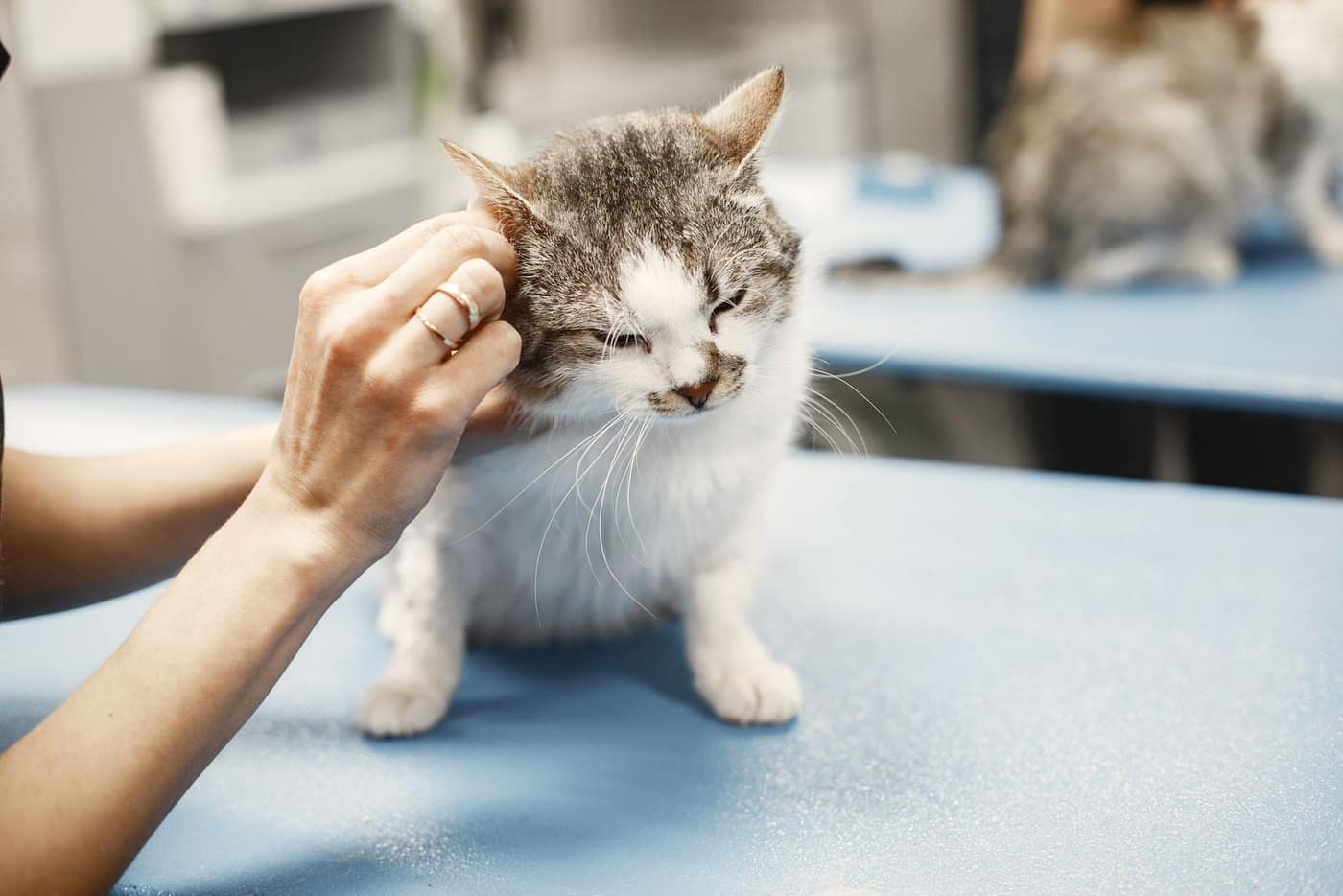
Resinous Flooring
Seamless, non-porous, and coved, with antimicrobial options: the backbone system for exam rooms, kennels, and treatment areas.
Explore system
Epoxy Flooring
A hard, decontaminable, high-build surface for surgery, sterile prep, and treatment rooms that demand a clinical clean.
Explore system
Flake Epoxy
Decorative, slip-tunable, and tough: a grippy, wear-hiding finish for boarding runs, lobbies, and high-traffic kennel areas.
Explore systemProudly Serving New Jersey & Eastern PA
Our crews are on the road daily. Select your region to see our coverage.
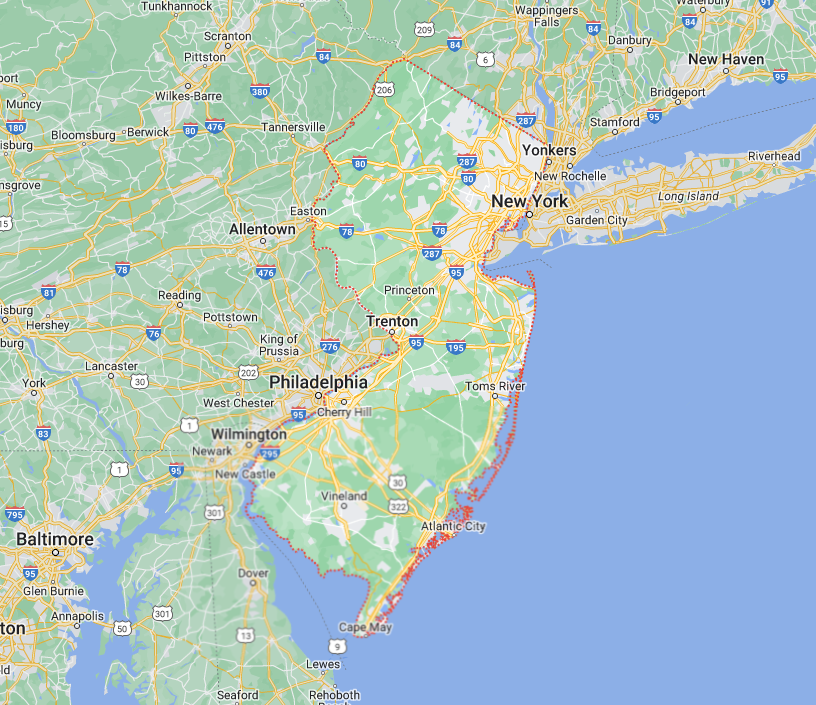
New Jersey
Statewide Coverage- Monmouth & Ocean County
- Bergen & Essex County
- Middlesex & Mercer County
- Atlantic & Cape May County
- Morris & Somerset County
FAQ
Veterinary flooring questions, answered straight
Will the floor stop the urine smell our old floor holds?
Yes. The odor comes from urine soaking into porous concrete and tile grout, where it stays. A seamless, non-porous resinous floor with integral coving keeps urine on top to be wiped or rinsed away, with no joint or pore for it to wick into, so the smell does not build up in the slab.
Can it be sanitized to a clinical standard?
Yes. We install seamless systems with coving that withstand the bleach, quaternary, and peroxide disinfectants you use, and we remove the seams and square corners where contamination collects. AAHA infection-control guidance points to exactly this kind of non-porous, cleanable surface.
Can the floor be antimicrobial?
Yes. We can specify systems with an EPA-registered antimicrobial additive blended into the resin to inhibit microbial growth on the surface, with efficacy evaluated by recognized methods such as ISO 22196. We specify products that carry that credential rather than claiming Jersey Epoxy is certified.
Will animal claws scratch or scrape it up?
These are hard, high-build resinous and epoxy systems made for traffic and abuse. They hold up to claws, dropped equipment, and constant cleaning far better than soft sheet goods or porous concrete.
Is it slippery when wet for animals and staff?
We tune slip resistance to the room. Kennels, runs, and tub rooms get a heavier anti-slip aggregate broadcast toward the ANSI A326.3 wet DCOF benchmark of 0.42, since they are wet and a panicked animal needs grip, while exam rooms get a lighter texture that still resists slips but wipes down fast. No floor is slip-proof when wet, but a tuned texture is far safer than the glazed tile or sealed concrete it replaces.
How do you work around a clinic that stays open?
We sequence the job so you never lose the whole hospital at once: one ward or run bank at a time, scheduled against your surgery days and boarding bookings, with evening and weekend work where it keeps patients moving. Fast-cure resins let a treated room take animals again within the turnaround we agree to up front.
Get started
Let’s spec a floor that cleans like a clinic and takes the abuse
Free on-site assessment, a candid read on which zones need antimicrobial resin versus a washdown-rated topping, and a precise quote. We phase the work ward by ward so appointments, surgeries, and boarders are never all displaced at once.
(877) 376-9965 · talk to an installerRated 5 stars by New Jersey homeowners & businesses
Powered by Google
 No Obligation