


Restaurant Dining & Kitchen Floor Coatings
One building, several floors. We give the dining room and bar a finish that sells the room, and the kitchen, dish pit, and prep line a seamless, slip-tuned, sanitary surface built for grease and water. Installed off-hours across New Jersey and eastern Pennsylvania so you never close a shift.
- Decorative & sanitary systems
- NJ + Eastern PA
- 20+ years installing
- Free on-site assessment
- Front & Back of House
- Decorative dining floors, sanitary kitchen systems
- Slip-Tuned for Grease
- Traction built into wet, oily kitchen zones
- 20+ Years Experience
- Resinous, flake & urethane-cement installs
- Installed Off-Hours
- We work overnights and dark days, not your service
The restaurant floor problem
Your dining room and your kitchen need opposite floors
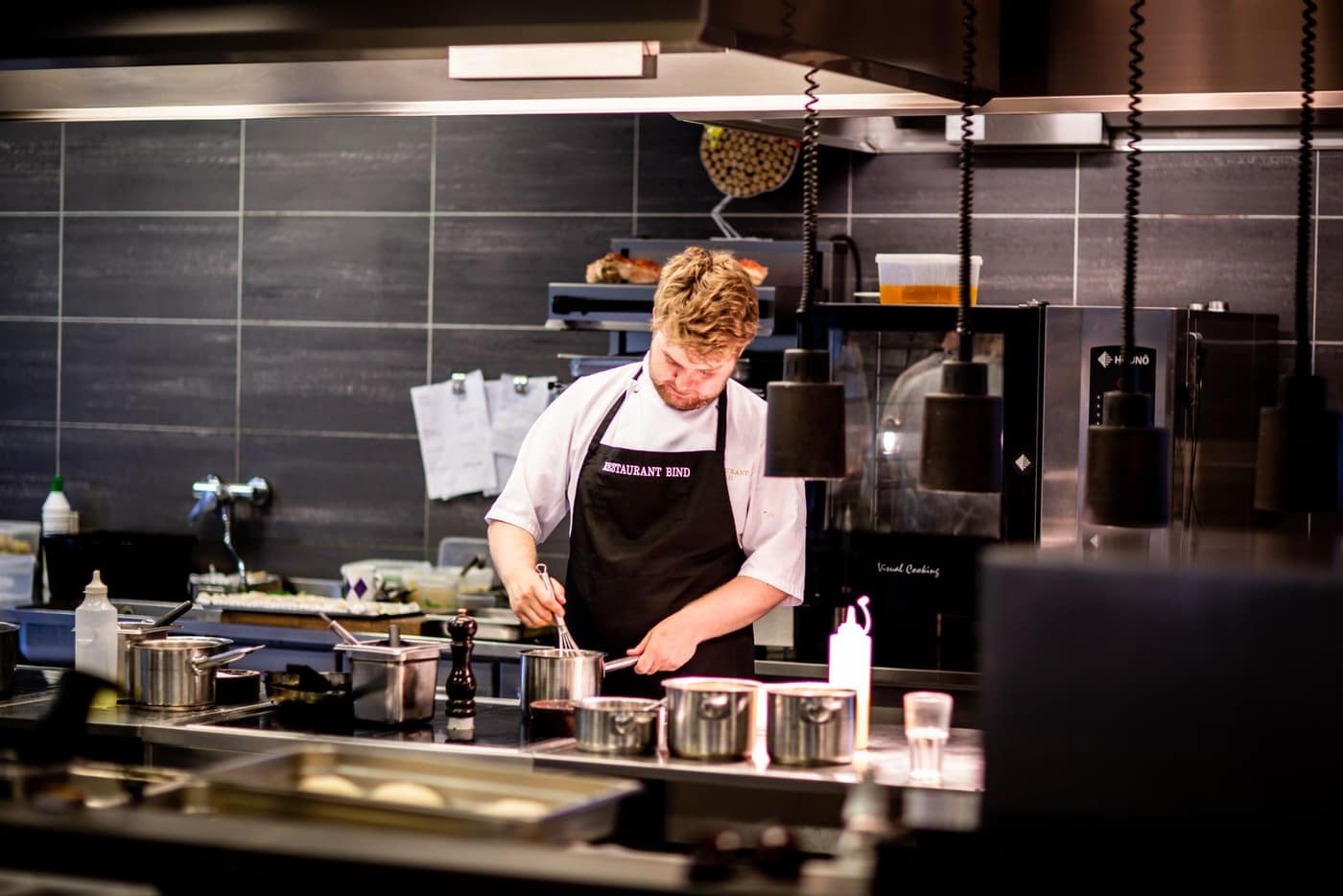
The front of house lives or dies on first impressions, so its floor has to look right and stay looking right under chair scrape, dropped silverware, red wine, and a thousand covers a week. The back of house has the opposite job: it has to survive grease, hot water, dropped pans, and twice-daily scrub-downs, and it has to pass a health inspection while doing it.
Most floor jobs fail because one product gets stretched across both worlds. A pretty coating turns slick and cracks at the dish pit, or a heavy industrial floor makes the dining room feel like a loading dock. We read the building room by room and spec each space for the punishment it actually takes, then install it overnight so the kitchen reopens for the next service.
Zone-by-zone
We spec each area of the building for the job it actually does
No single coating is right everywhere. Here is how we read a restaurant floor and match the chemistry to the punishment.
Material choice
Why one coating cannot do the whole restaurant
A restaurant is two buildings under one roof, and the floor that wins guests is not the floor that survives the cookline. We pick the chemistry per room and tie the rooms together with one continuous, sanitary surface where they meet.
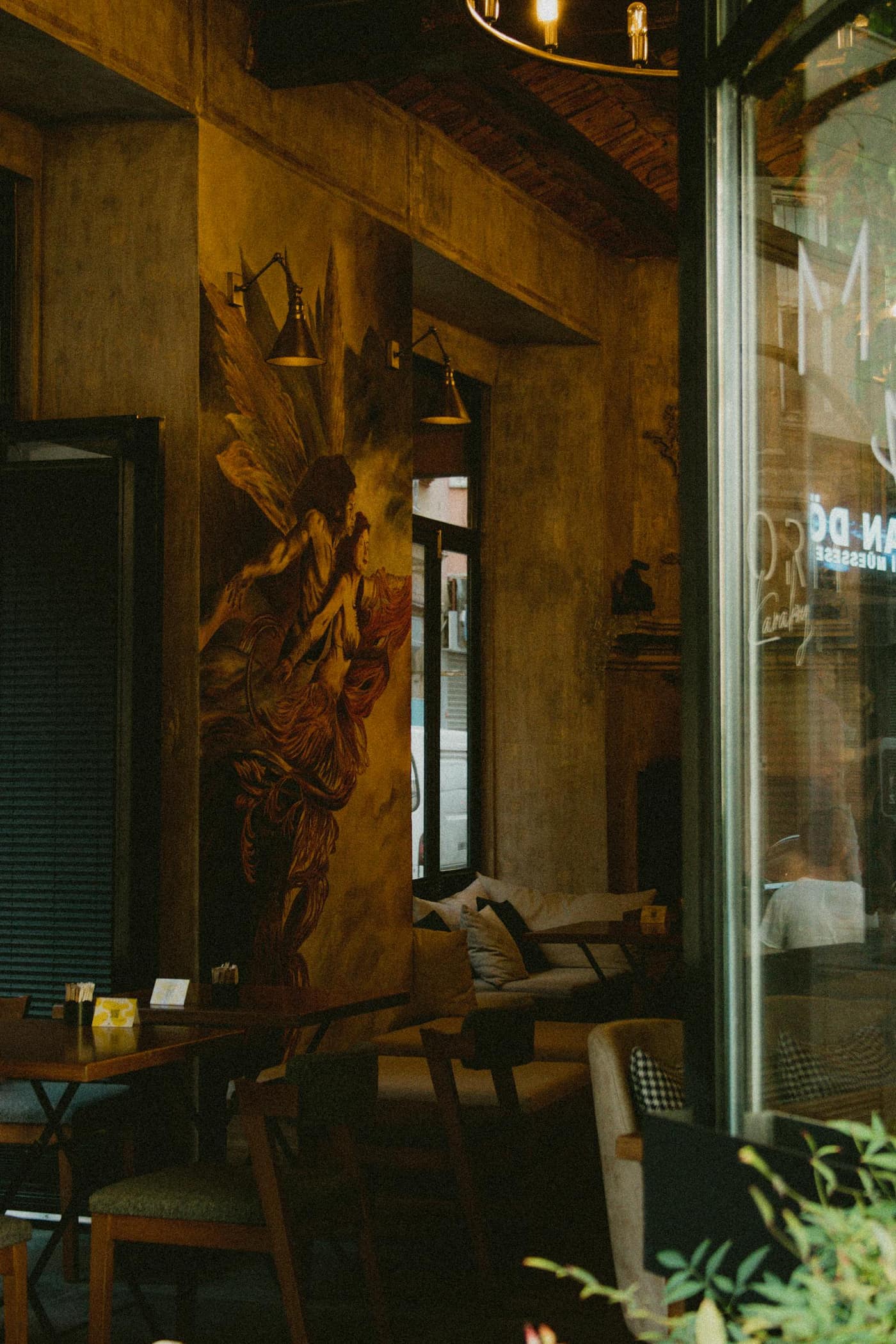
Out front, decorative flake and metallic systems give the dining room and bar a finished, branded look that still shrugs off chair scrape and spilled drinks. Out back, seamless resinous floors resist grease and cleaning chemicals while staying non-porous, and the dish pit and cookline, where hot water and steam crack rigid coatings, get cementitious urethane that expands and contracts with the slab instead of fighting it.
- Slip resistance built into the wet zones. Anti-slip aggregate broadcast into kitchen and dish areas, targeting the recognized wet-floor traction benchmark and tuned higher where grease is present. [ANSI A326.3]
- Food-code coving turns the floor up the wall with a radius cove so there is no square corner for grease and debris to collect. [FDA Food Code 6-201.13]
- Thermal-shock resistance at the dish pit from urethane cement, whose cement binder moves with the concrete through hot washdowns instead of cracking. [Sika · BASF Ucrete]
- Slab has to be dry and sound before the doors reopen. An older restaurant slab sat under tile or quarry pavers for years and holds vapor, so a moisture test to recognized ASTM methods is worth doing first and the new floor bonds instead of blistering off the kitchen deck. [ASTM F2170 · F1869]
How it works
From your first call to the final coat
We map the whole job before we touch the floor, then phase the work around your production.
- Free Quote(877) 376-9965No-cost on-site assessmentGet my quote
Call or Contact Us
Tell us about your restaurant and timeline.
- Walk-through
- Dining room
- Kitchen
- Dish pit
Consultation
A free walk-through and a per-room floor spec.
- Slab PrepProfiledDry & sound
Preparation
Slab profiled and confirmed dry and sound before coating.
- Sealed
Installation
Seamless system installed off-hours, room by room.
Standards & specifications
Built to the standards a health inspector checks
We do not claim certifications we do not hold. We install systems that can be specified to meet the requirements a restaurant is held to, and we name the standards behind them so your inspector and your insurer see the same thing we do.
Smooth, durable & cleanable floors
Food-prep and warewashing floors are required to be smooth, durable, nonabsorbent, and easily cleanable. Seamless resinous systems give exactly that surface with no grout lines or porous concrete to harbor bacteria. [FDA Food Code 6-101 / 6-201]
Coved floor-to-wall junction
We detail integral cove base at the floor-to-wall juncture, the radius cove inspectors look for, so the corner cleans out and water does not pool where the wall meets the floor. [FDA Food Code 6-201.13]
Slip resistance (wet)
A line cook works in standing dish water and a film of fryer grease at once, the hardest slip case in the building, so we broadcast aggregate into the kitchen and dish pit to clear the ANSI A326.3 interior wet-floor DCOF benchmark of 0.42 and step the texture up around the grill and fryers. No wet floor is ever fully slip-proof, and we say so up front. [ANSI A326.3]
Food-contact surface options
Where it is required, we can specify coatings that carry third-party flooring credentials such as NSF/ANSI 52, the supplemental-flooring standard for commercial food environments. [NSF/ANSI 52]
Thermal-shock at hot zones
For dish pits and cookline floors that take hot water and steam, cementitious urethane carries service temperatures up to roughly 250F depending on system and installed thickness, without the cracking that ends rigid coatings. [SIKA · BASF UCRETE]
Slab moisture testing
Restaurant slabs that lived under tile, VCT, or quarry pavers trap vapor that lifts a new coating, so the slab has to be dry before we coat, and we recommend a moisture test to recognized ASTM methods such as in-situ relative-humidity probes (F2170) or anhydrous calcium-chloride MVER (F1869) where the water table runs high or the floor sits low or below grade, and only start once the numbers come back in range. [ASTM F2170 / F1869]
We install products that carry food-safety credentials and specify systems that can be built to meet NSF, USDA, and FDA Food Code requirements. We do not market Jersey Epoxy as certified, because those certifications are issued to products and facilities, not to installers.
Benefits
A floor that wins the dining room and survives the kitchen
A Dining Room That Sells
Decorative flake and metallic finishes give the front of house a polished, on-brand look that handles chair scrape, dropped silverware, and spilled drinks for years.
Grease & Slip Control
In the kitchen, dish pit, and prep line we build anti-slip aggregate into the floor so crews stay on their feet through grease and standing water.
Sanitary & Inspection-Ready
Seamless, non-porous systems with integral coving give bacteria and grease nowhere to hide, so the kitchen washes down and sanitizes the way a health inspector expects.
Thermal-Shock Resistance
Urethane-cement systems at the dish pit and cookline absorb hot water and steam without cracking, where ordinary coatings split against a cooler slab.
Easy Daily Cleaning
No grout lines and no open joints means a mop and the right cleaner do the work. The floor cleans as one continuous surface front to back.
Installed Without Closing
We phase the work overnight and on dark days with fast-cure systems, so the kitchen is back open for the next service and you never lose a shift.
Recommended systems
The systems we reach for in a restaurant
Curated for hospitality, front of house and back. Explore the chemistry behind each.

Flake Epoxy
Decorative, durable, and slip-tunable: a dining-room and bar finish that hides wear and still cleans up after every service.
Explore system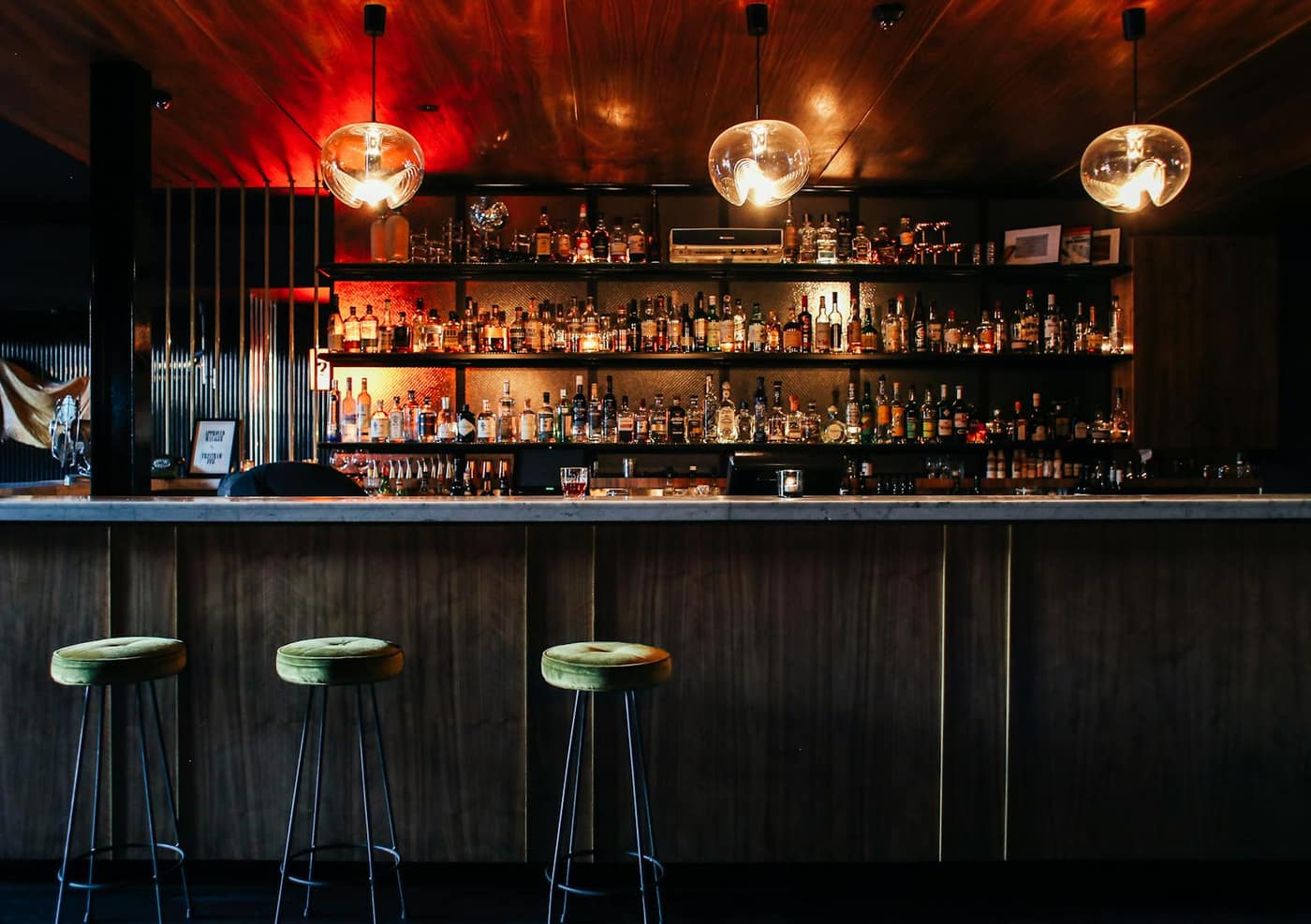
Metallic Epoxy
A high-gloss, one-of-a-kind finish that gives the bar and feature areas a premium look guests notice.
Explore system
Resinous Flooring
Seamless, grease-resistant, and non-porous: the workhorse for kitchens, prep areas, and dish rooms that get scrubbed down daily.
Explore systemProudly Serving New Jersey & Eastern PA
Our crews are on the road daily. Select your region to see our coverage.
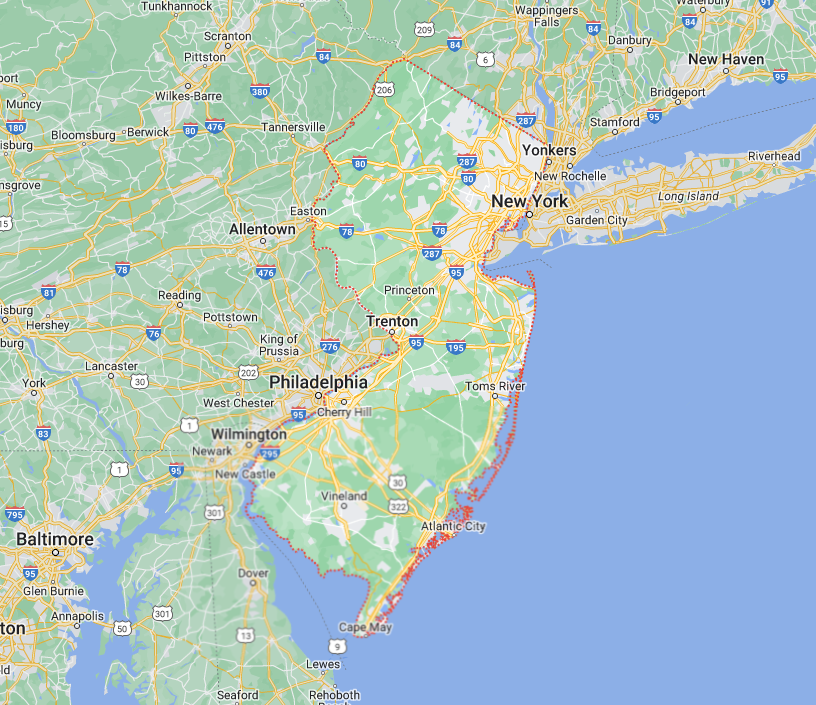
New Jersey
Statewide Coverage- Monmouth & Ocean County
- Bergen & Essex County
- Middlesex & Mercer County
- Atlantic & Cape May County
- Morris & Somerset County
FAQ
Restaurant flooring questions, answered straight
Can you do the dining room and the kitchen with one company?
Yes, and that is the point. We spec the front of house for looks and the back of house for grease and sanitation, then install both as one job so the floor reads as one building. Decorative flake or metallic goes out front, seamless resinous and urethane-cement systems go in the kitchen and dish pit.
Will the kitchen floor be safe when it gets wet and greasy?
Wet plus grease is the worst slip case in any restaurant, so in the kitchen, dish pit, and prep line we broadcast anti-slip aggregate into the system to build traction underfoot. We target the ANSI A326.3 wet-floor benchmark and tune it higher in grill and fryer zones, while keeping the surface easy to mop.
Will the floor pass a health inspection?
We install seamless, non-porous systems and add integral cove base at the floor-to-wall junction, the radius cove called out in the FDA Food Code, so the corners clean out and the floor sanitizes the way an inspector expects. Where food-contact credentials are required we can specify coatings carrying standards such as NSF/ANSI 52. Confirm the exact spec with your local health department.
Our dish pit and cookline floors keep cracking. What helps?
That is usually thermal shock: hot water and steam hit a cooler slab and a rigid coating fractures. For those zones we specify cementitious urethane, which has a cement component so it expands and contracts with the concrete instead of cracking against it, and it handles hot washdown service temperatures.
Can the dining room have a high-end, decorative look?
Yes. For dining rooms and bars we offer decorative flake and high-gloss metallic finishes that create a premium, on-brand appearance, hide everyday wear, and still stand up to guest traffic, chair scrape, and spills.
Do we have to close while you install?
No. We phase the work overnight and on your dark days, room by room, and use fast-cure systems where a zone has to reopen quickly, so the kitchen is ready for the next service and you do not lose a shift.
Get started
Let us spec a floor for both ends of your restaurant
Free on-site assessment, honest per-room recommendations, and a precise quote. Installed off-hours so you never close a service.
(877) 376-9965 · talk to an installerRated 5 stars by New Jersey homeowners & businesses
Powered by Google
 No Obligation