


School & Education Floor Coatings
Seamless, low-odor floor systems for K-12 schools, colleges, and education campuses across New Jersey and eastern Pennsylvania. Built for relentless foot traffic and easy cleaning, with low-VOC chemistry and summer-break scheduling so students never walk on a curing floor.
- Resinous & epoxy systems
- NJ + Eastern PA
- 20+ years installing
- Free on-site assessment
- Low-Odor Chemistry
- Low-VOC systems for occupied buildings
- Seamless & Cleanable
- No grout lines for custodial crews to scrub
- 20+ Years Experience
- Resinous & epoxy installs across NJ & PA
- Scheduled on Break
- Summer, weekend, and after-hours phasing
The school floor problem
School floors lose to foot traffic, scuffs, and the cleaning cart
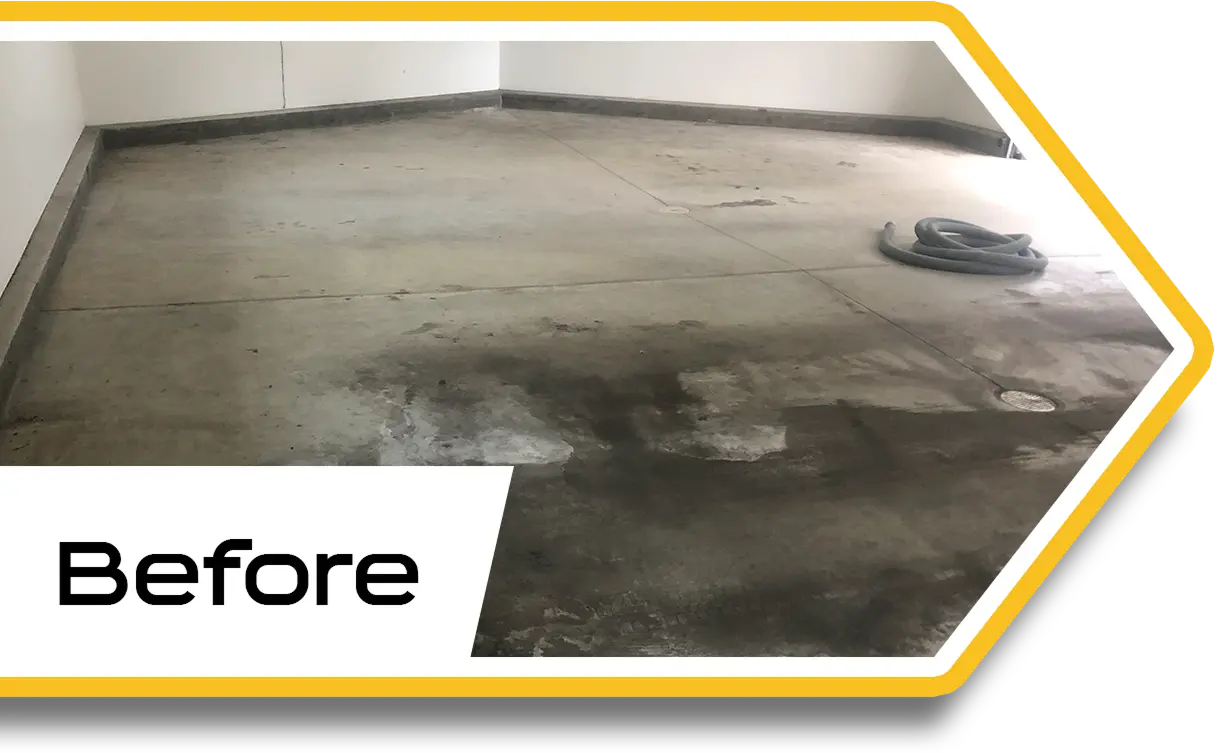
A school floor sees thousands of feet a day, dragged chairs and lunch trays, rolling carts and cleaning machines, dropped milk in the cafeteria, and standing water in restrooms and locker rooms. Old VCT tile and sheet vinyl fail at the seams and grout lines first, where dirt, moisture, and bacteria collect, and where the daily strip-and-wax routine eats hours of custodial labor.
The harder problem is timing. Many coatings give off strong fumes while they cure, so the floor has to be redone in the few weeks teachers and students are out of the building. A school floor has to come back fast, stay safe underfoot when wet, and read as clean to a walk-through without weekly waxing.
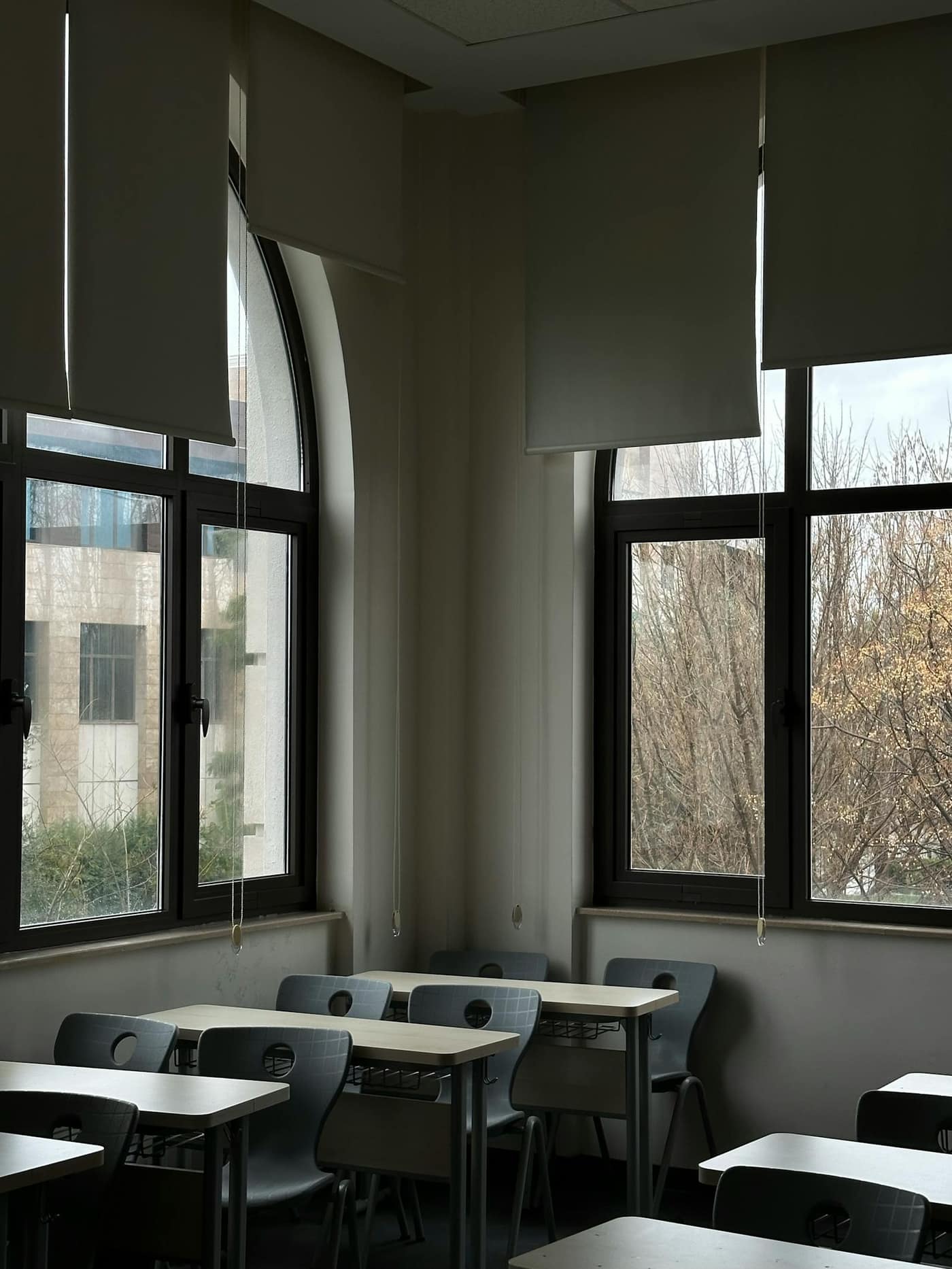
Zone-by-zone
We spec each area of the building for the job it actually does
No single coating is right everywhere. Here is how we read a school building and match the chemistry to the punishment.

Material choice
Why VCT and sheet vinyl keep failing in a school
Most school floor complaints trace back to seams and surface coatings, not the slab. Tile joints and grout open up under traffic and mopping, then trap dirt and moisture, and the wax topcoat that hides wear has to be stripped and reapplied on a schedule that drains custodial hours. The slab has to be dry and sound before we coat, and we specify each area for the wear it actually takes.
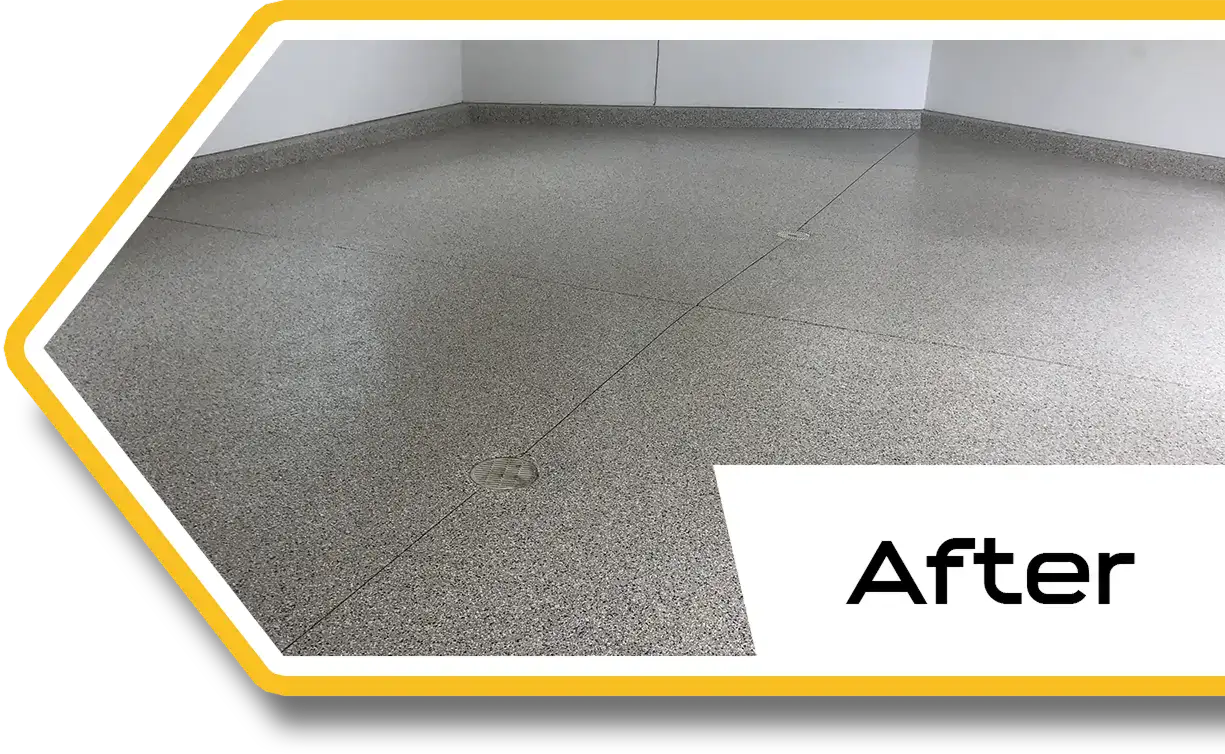
Across hallways, classrooms, and common areas, high-build epoxy and seamless resinous systems give a continuous, non-porous surface that takes the abrasion of constant foot and cart traffic and cleans with a mop instead of a stripper. In wet rooms and cafeteria kitchens we step up to systems built for standing water and washdown, and we can specify low-VOC, low-odor products so a floor can go down in an occupied wing when the calendar demands it.
- Abrasion resistance for high-traffic corridors and entrances, measured by the Taber method used to rate floor coatings. [ASTM D4060]
- Low-VOC, low-odor options that can be specified to recognized indoor-air-quality emission limits for occupied schools. [CDPH v1.2 / CA 01350]
- Slab dry and sound before we bond, with a moisture test (ASTM probe and MVER methods) worth doing where the water table runs high, because vapor out of a decades-old school slab is what lifts a finish later. [ASTM F2170 · F1869]
- Seamless and non-porous, with integral cove base in wet rooms, so there are no grout lines or corners to scrub or seal. [FDA cGMP (kitchens)]
How it works
From your first call to the final coat
We map the whole job before we touch the floor, then phase the work around your production.
- Free Quote(877) 376-9965No-cost on-site assessmentGet my quote
Call or Contact Us
Tell us about your facility and timeline.
- Walk-through
- Hallways
- Cafeteria
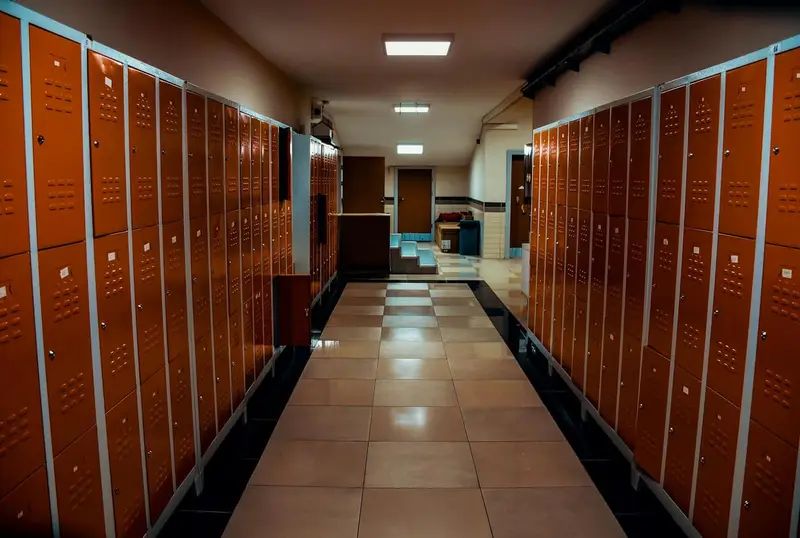
- Locker rooms
Consultation
A free walk-through and a per-zone floor spec.
- Slab PrepProfiledDry & sound
Preparation
Slab profiled and confirmed dry and sound before coating.
- Sealed
Installation
Seamless system installed, phased around your calendar.
Standards & specifications
Built to the standards schools are held to
School floors answer to facilities directors, custodial supervisors, and the health inspector who walks the cafeteria line. We do not hold these certifications ourselves, but we install systems that can be specified to the codes an education building is graded against, and we tell you which standard sits behind each one.
Slip resistance (wet)
Aggregate broadcast into restrooms, locker rooms, shower areas, and tracked-in entrances, targeting the 0.42 wet DCOF that ANSI A326.3 sets for interior floors that get walked on wet. The texture is dialed up where the water sits and eased off in dry corridors, and we say plainly that a DCOF number rates the surface, it does not promise nobody slips. [ANSI A326.3]
Indoor air quality (VOC emissions)
For work in occupied buildings we can specify low-VOC, low-odor products tested to the California Department of Public Health Standard Method v1.2 (CA 01350), the emissions protocol referenced by LEED and FloorScore for schools. [CDPH v1.2 / CA 01350]
Abrasion & traffic wear
High-build epoxy and resinous systems carry abrasion-resistance data measured by the Taber abraser method, the recognized test for how a floor coating holds up under constant foot and cart traffic. [ASTM D4060]
Slab moisture testing
Older school buildings sit on slabs that have been wet-mopped for decades, so the slab has to be dry and sound before anything bonds, and a moisture test (in-situ relative-humidity probes per F2170, or calcium-chloride MVER per F1869) is worth doing where the water table runs high or the slab sits low or below grade. Vapor driving up through a wet slab is what lifts a coating a year later, and it is the failure we plan around up front. [ASTM F2170 / F1869]
Cafeteria-kitchen food safety
In serving lines and prep kitchens we install seamless systems with integral cove base and can specify products that carry third-party food-safety credentials such as NSF/ANSI 52 listing, the standard written for supplemental flooring in food-prep and warewashing areas, where the health code requires it. [FDA cGMP / NSF/ANSI 52]
The credentials above belong to the coatings and the tested products, not to us. When a spec calls for low-emission or food-safe flooring, we select and install products that carry the matching listing, and we put that on paper for your facilities office. Jersey Epoxy is the installer, not the certifying body, and we keep that line clear.
Benefits
A properly specified school floor takes the traffic and cuts the cleaning
Built for Foot Traffic
High-build epoxy and resinous systems take the abrasion of thousands of students and rolling carts a day without the wear patterns that show up in tiled corridors.
No More Strip-and-Wax
A seamless surface stays clean with routine mopping, so custodial crews recover the hours they spend stripping and re-waxing tile every term.
Low-Odor for Occupied Wings
Low-VOC, low-odor systems can be installed in a section of an occupied building when the work cannot wait for summer break.
Slip Resistance When Wet
Restroom puddles, shower-room runoff, and a spilled tray on the lunch line are where students go down. We broadcast anti-slip aggregate into exactly those spots and pick a grit fine enough that a mop still glides over it.
Sanitary & Seamless
No grout lines, seams, or open joints means moisture and bacteria have nowhere to collect in restrooms, locker rooms, and serving areas.
School-Colors Finish
Flake and color systems can carry your school colors across hallways, gyms, and common areas for a finish that reads as the building, not just a floor.
Recommended systems
The systems we reach for in a school
Curated for education buildings. Explore the chemistry behind each.
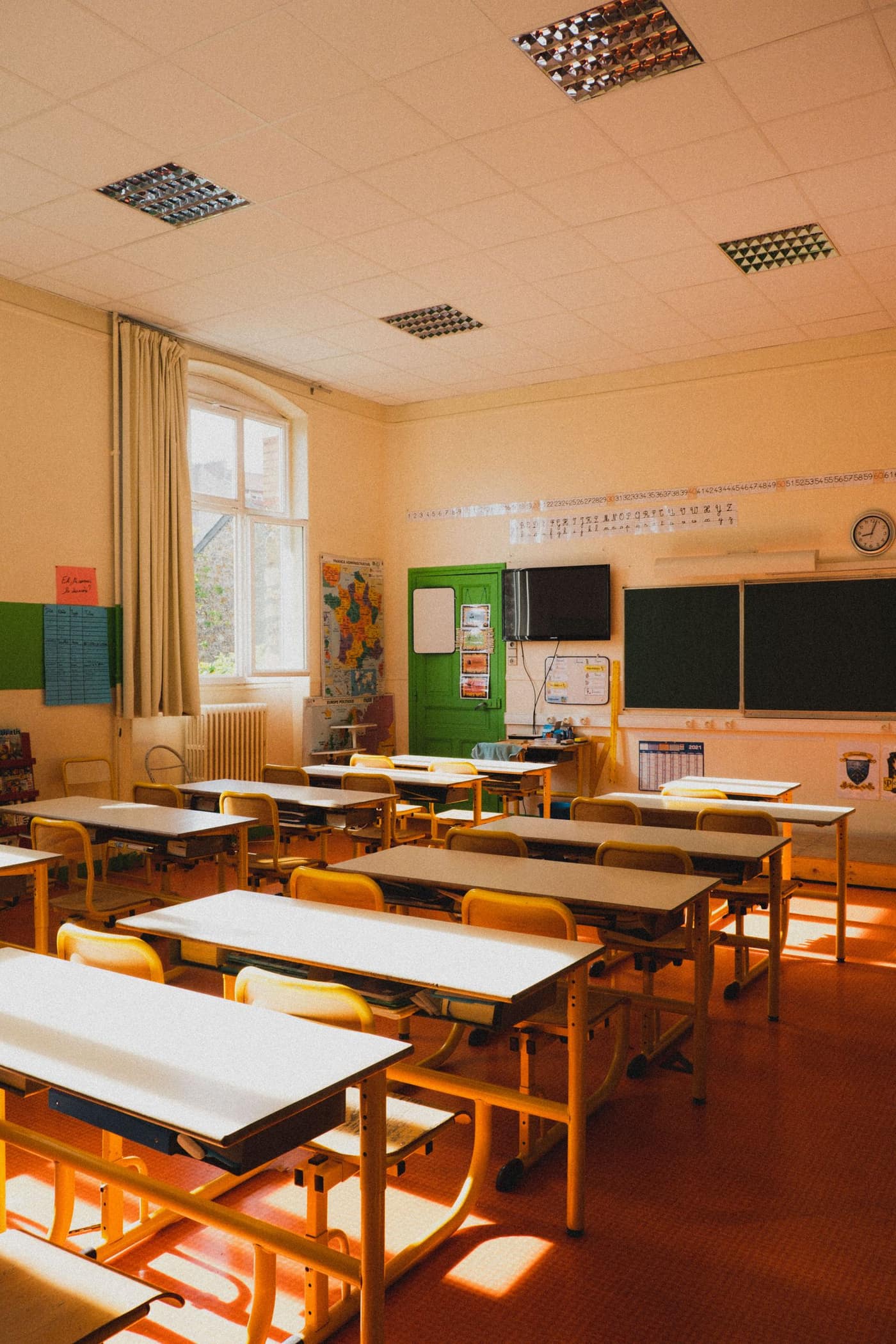
Epoxy Flooring
A hard, high-build, easy-clean surface for hallways, classrooms, and common areas that take constant foot and cart traffic.
Explore system
Resinous Flooring
Seamless, non-porous, and chemical-resistant: the sanitary backbone for restrooms, locker rooms, and cafeteria serving areas.
Explore system
Flake Epoxy
Decorative, durable, and slip-tunable: a flake finish that can carry school colors and still handle gym and common-area traffic.
Explore systemProudly Serving New Jersey & Eastern PA
Our crews are on the road daily. Select your region to see our coverage.
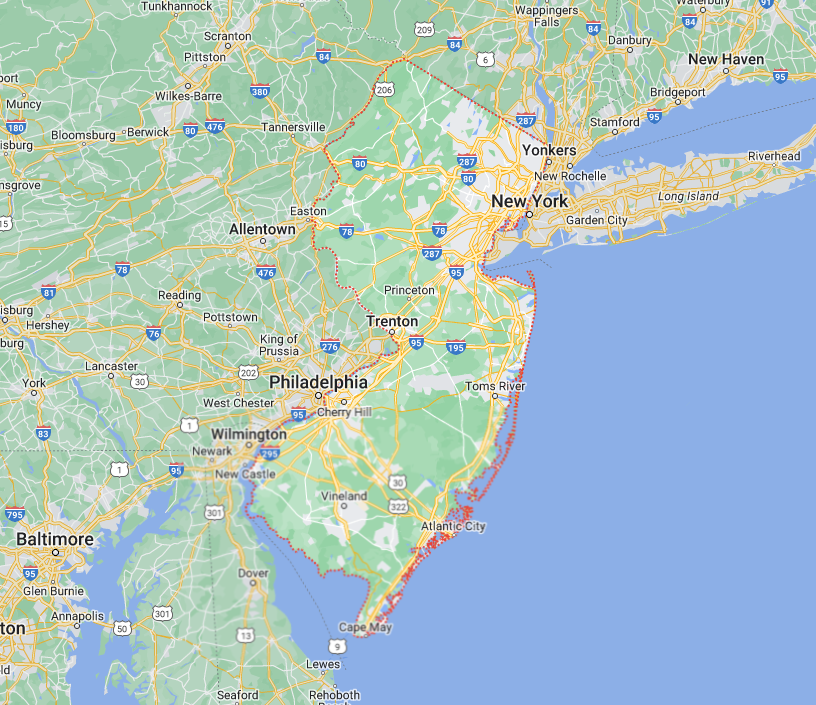
New Jersey
Statewide Coverage- Monmouth & Ocean County
- Bergen & Essex County
- Middlesex & Mercer County
- Atlantic & Cape May County
- Morris & Somerset County
FAQ
School flooring questions, answered straight
Can you install while we are still in session?
For most jobs we schedule the heavy work over summer break, winter and spring recess, or weekends. When a wing has to be redone in an occupied building, we can specify low-VOC, low-odor systems tested to the CDPH v1.2 (CA 01350) emissions protocol and phase the work area by area so the rest of the school keeps running.
How fast can a hallway or cafeteria be back in use?
It depends on the system and the area, but we plan the job around your reopening date and use rapid-cure products where a corridor or serving line has to return to service quickly. We will give you a realistic per-area timeline at the walk-through.
Will this finally end the strip-and-wax routine?
Yes. A seamless resinous or epoxy floor has no grout lines or wax topcoat, so it stays clean with routine mopping instead of the strip-and-wax cycle that tile and VCT need every term. That is where custodial crews get their hours back.
Is it slippery when wet in restrooms and locker rooms?
Those are the rooms where slips turn into injury reports, so we build traction into the finish rather than counting on a wet-floor sign. The aggregate is broadcast to hit the 0.42 wet DCOF that ANSI A326.3 calls for on interior wet floors, then the texture is held fine enough that the custodial mop does not snag on it.
Is it sanitary enough for restrooms and cafeteria kitchens?
A seamless, non-porous surface with integral cove base gives moisture and bacteria nowhere to collect. In serving lines and prep kitchens we can specify products that carry third-party food-safety credentials such as NSF/ANSI 52 listing, the standard for supplemental flooring in food-prep areas, where your health code requires it.
Can the floor carry our school colors?
Yes. Flake and color systems can carry your school colors across hallways, gyms, and common areas, while wet rooms and high-traffic areas get the heavy-duty seamless systems.
Get started
Let’s spec a floor that survives the school year
A no-cost walk-through, a straight read on what each area needs, and a written quote sized to your building. We book the work into summer, a recess week, or weekends so a class never returns to a floor that is still curing.
(877) 376-9965 · talk to an installerRated 5 stars by New Jersey homeowners & businesses
Powered by Google
 No Obligation