
Cold Storage & Freezer Floor Coatings
Cold-rated seamless floor systems for freezers, coolers, blast cells, and refrigerated docks across New Jersey and eastern Pennsylvania. Built to cure below freezing, flex through doorway thermal swings, and go down in an active room so your cold chain never breaks.
- Cold-rated MMA & urethane-cement
- NJ + Eastern PA
- 20+ years installing
- Free on-site assessment
- Cures Below Freezing
- MMA systems install in active coolers & freezers
- Stays Flexible Cold
- Moves with the slab through doorway thermal swings
- 20+ Years Experience
- Resinous, urethane-cement & MMA installs
- Phased Around the Cold Chain
- We keep product cold and rooms running
The cold storage floor problem
A freezer floor fails two ways most coatings never see
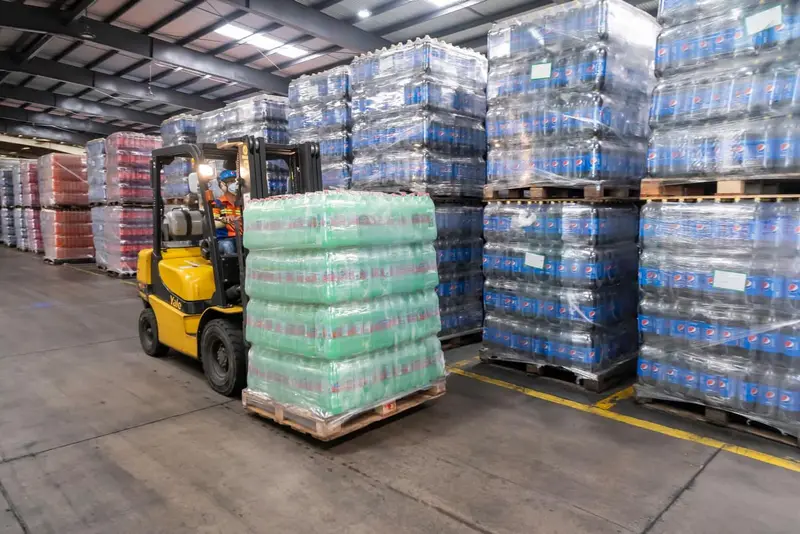
A cold storage floor sits at a constant low temperature, soaks up condensation and frost every time a door cycles, and takes hard forklift point loads sixteen to twenty-four hours a day. On top of that it has to be installed in a room you cannot easily shut down and warm up. Standard epoxy will not even cure properly in those conditions.
The bigger killer is the doorway. Product and lift trucks move between a warm dock and a deep freezer all shift long, so the threshold slab swings through wide temperature ranges over and over. A rigid coating cannot expand and contract with the concrete under that cycling, so it cracks and lets go right where traffic is heaviest. The right system has to cure in the cold, flex with the slab, and still drain and grip when frost forms.
Zone-by-zone
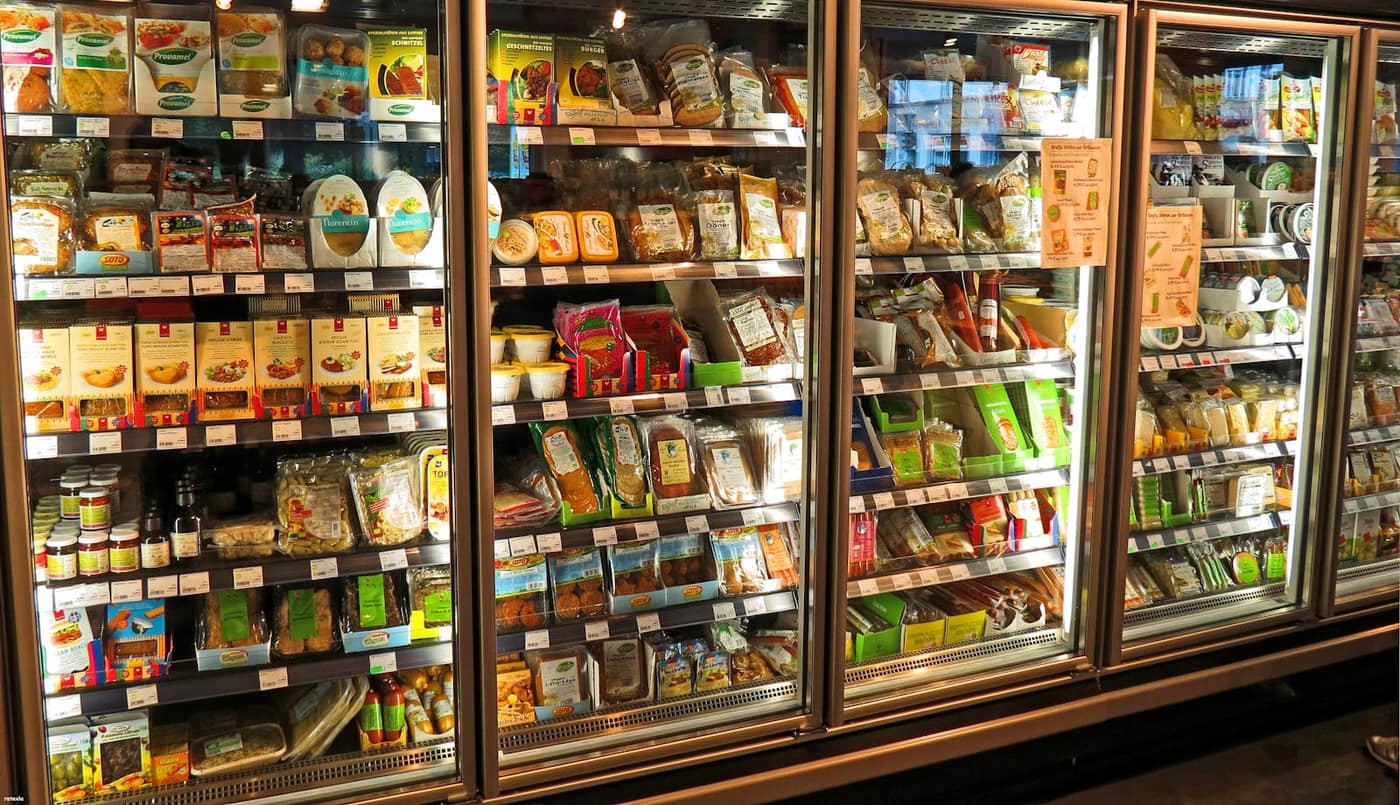
We spec each area of the building for the job it actually does
No single coating is right everywhere. Here is how we read a cold-storage floor and match the chemistry to the punishment.
Material choice
Why standard epoxy never makes it in a freezer
Most cold storage floor failures start before the coating even sets. A conventional epoxy needs warmth to cure, so it stays soft, blushes, or never hardens in a cold room. We pick the chemistry around the temperature the room actually holds and the traffic it actually takes, then prep the slab so it is dry and sound before anything goes down.
For active freezers and blast cells, methyl methacrylate (MMA) is the workhorse: it cures fast even at deeply sub-zero temperatures, so it can often be installed without warming the space, and it stays flexible cold so it absorbs doorway thermal cycling instead of cracking. At thresholds that take the worst warm-to-frozen swings, cementitious urethane carries thermal-shock resistance across a wide range. Across coolers and refrigerated storage, seamless resinous systems stay non-porous and cleanable through constant condensation.
- Low-temperature cure. MMA systems harden fast in cold rooms, installing at temperatures down to roughly -20°F so a freezer can stay running through the work. [Key Resin · Tremco MMA]
- Thermal-cycling flexibility that flexes with the slab through doorway swings, where cementitious urethane carries thermal-shock resistance roughly -40°F to 250°F. [Sika · BASF Ucrete]
- Slab dry and sound before any coating goes down on a cold slab, and a moisture test (recognized ASTM methods) is worth doing where the water table runs high. [ASTM F2170 · F1869]
- Seamless and non-porous, so condensation, frost-melt, and washdown stay on top to be cleaned instead of soaking into the slab. [FDA cGMP · FSMA]
How it works
From your first call to the final coat
We map the whole job before we touch the floor, then phase the work around your production.
- Free Quote(877) 376-9965No-cost on-site assessmentGet my quote
Call or Contact Us
Tell us about your facility and timeline.
- Walk-through
- Freezer
- Doorway
- Cooler
Consultation
A free walk-through and a per-zone floor spec.
- Slab PrepProfiledDry & sound
Preparation
Slab profiled and confirmed dry and sound before coating.
- Sealed
Installation
Cold-rated system installed, phased around your cold chain.
Standards & specifications
Built to the standards cold storage facilities answer to
We do not claim certifications we do not hold. We install systems that can be specified to meet the requirements a refrigerated or food-storage facility is held to, and we name the standards behind each one.
Low-temperature install & cure
Methyl methacrylate (MMA) systems cure rapidly at deeply sub-zero temperatures, installing in active coolers and freezers down to roughly -20°F so the cold chain stays intact and the room can keep running. [KEY RESIN · TREMCO MMA]
Thermal-shock at thresholds
Cementitious urethane carries thermal-shock resistance across a wide range, roughly -40°F to 250°F depending on the system and thickness, for the doorway strips that swing from warm dock to deep freeze. [SIKA · BASF UCRETE]
Slab moisture
The slab has to be dry and sound before coating, and a moisture test using in-situ relative-humidity probes (F2170) and/or anhydrous calcium-chloride MVER (F1869), the recognized methods, is worth doing on a chilled slab prone to condensation or one that runs low or below-grade. [ASTM F2170 / F1869]
Slip resistance (wet & frosty)
Aggregate broadcast into the surface, targeting the ANSI A326.3 wet DCOF benchmark of 0.42, tuned for the frost and condensation of a cold room. We stay honest that no frosty floor is ever fully slip-proof. [ANSI A326.3]
Sanitary detailing
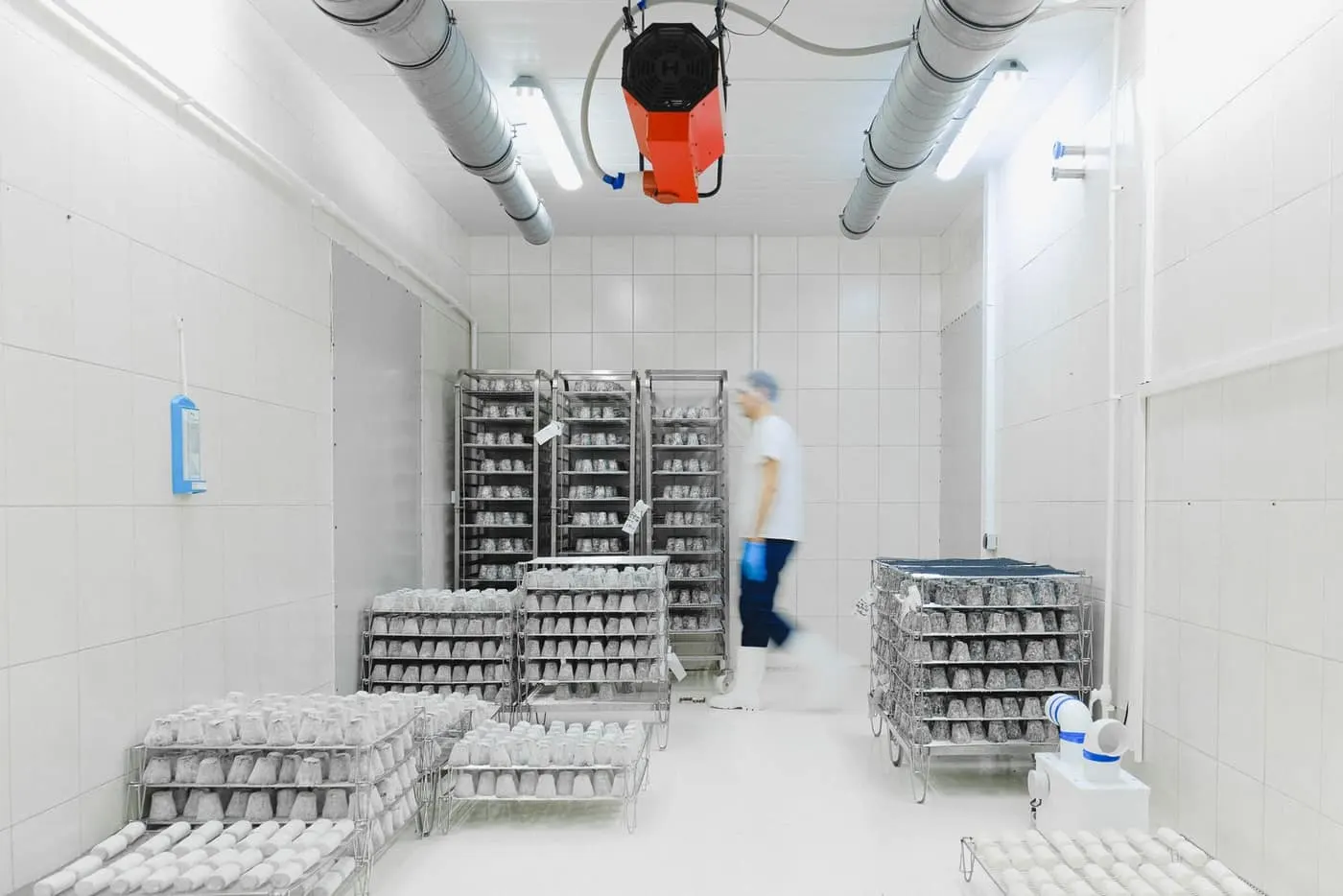
Integral cove base, typically four inches and seamlessly bonded, plus slope-to-drain, remove the corners and standing melt-water where bacteria collect in a food-storage room. [FDA cGMP / FSMA]
Food-contact options
Where it is required, we can specify products that carry third-party food-safety credentials, from NSF/ANSI 51 material listings to NSF/ANSI 52 supplemental-flooring certification, or USDA-acceptable formulations for refrigerated food storage. [NSF/ANSI 51 · 52]
We install products that carry food-safety credentials and specify systems that can meet NSF, USDA, and FDA requirements for refrigerated food storage. We do not market Jersey Epoxy as certified, because those certifications are issued to products and facilities.
Benefits
A cold-rated floor holds up where ordinary coatings never cure
Cures in the Cold
MMA systems harden fast in a freezing room, so we can often install in an active cooler or freezer without shutting it down and warming the space.
Thermal-Cycling Resistance
Flexible cold-rated chemistry moves with the slab through the sharp warm-to-frozen swings at freezer doorways instead of cracking the way rigid coatings do.
Fast Return to Service
Rapid low-temperature cure means a cooler or freezer comes back online in about an hour, so a floor job never breaks your cold chain.
Slip Safety on Frost
We broadcast aggregate into the surface so crews and lift operators keep traction when frost and condensation form, and tune it to stay cleanable.
Forklift-Load Durability
High-build systems take the concentrated point loads and tire abrasion of cold-chain lift trucks running around the clock without breaking down.
Seamless & Moisture-Tight
A non-porous surface with no joints or grout lines keeps condensation and frost-melt out of the slab and gives mold nowhere to hide.
Recommended systems
The systems we reach for in cold storage
Curated for refrigerated and frozen environments. Explore the chemistry behind each.

Resinous Flooring
Seamless, non-porous, and cold-rated: the backbone for freezers, coolers, and blast cells that need flexibility and hygiene.
Explore system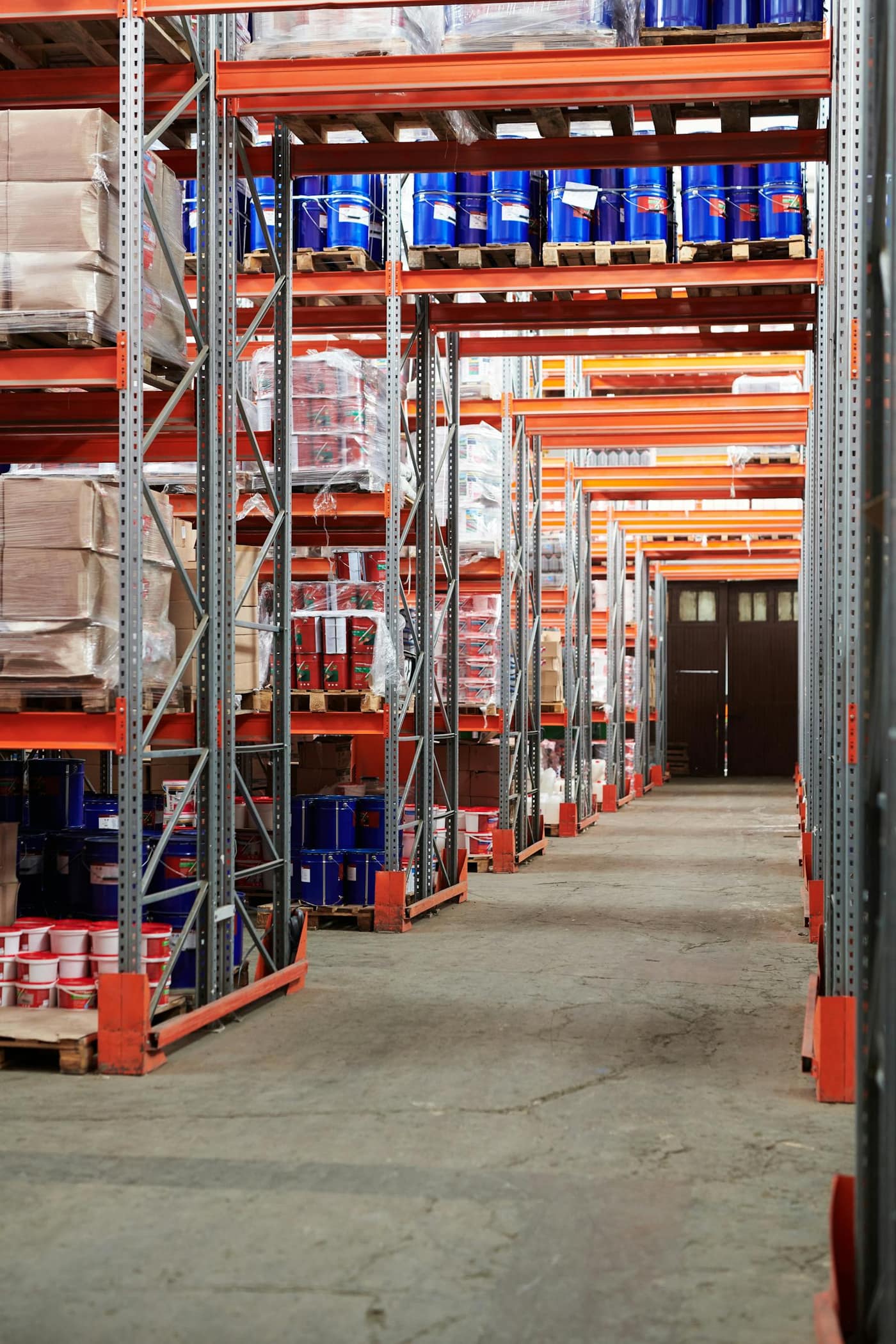
Epoxy Flooring
A hard, high-build base for refrigerated docks and staging that take constant forklift point loads and tire pickup.
Explore system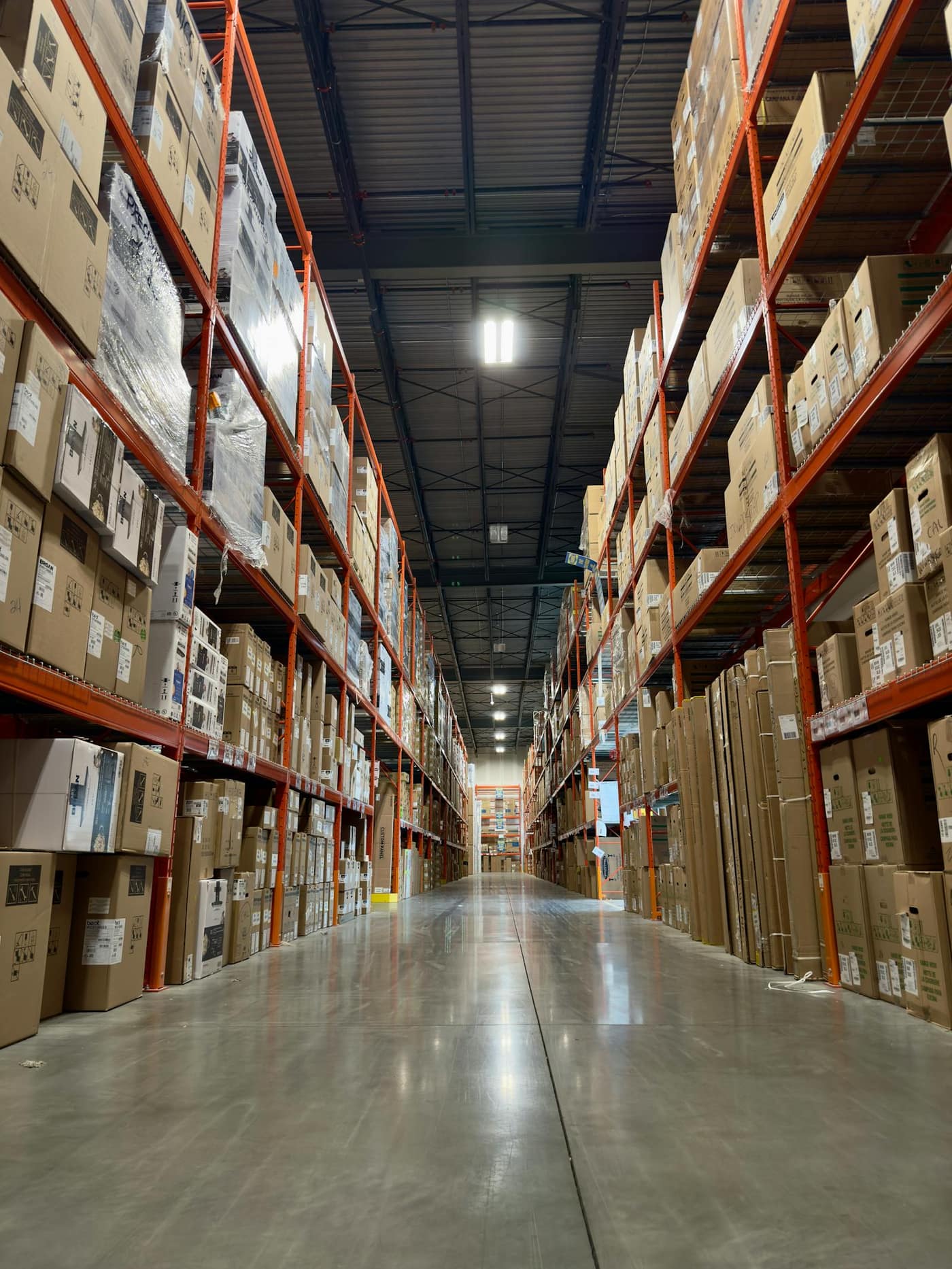
Flake Epoxy
Decorative, durable, and slip-tunable: a way to color-zone cooler aisles and staging while keeping the floor seamless.
Explore systemProudly Serving New Jersey & Eastern PA
Our crews are on the road daily. Select your region to see our coverage.

New Jersey
Statewide Coverage- Monmouth & Ocean County
- Bergen & Essex County
- Middlesex & Mercer County
- Atlantic & Cape May County
- Morris & Somerset County
FAQ
Cold storage flooring questions, answered straight
Can you coat an active freezer without shutting it down?
Usually, yes. MMA (methyl methacrylate) systems cure fast even at sub-zero temperatures, often down to about -20°F, so we can frequently install in a running cooler or freezer without warming the space and breaking your cold chain. We confirm the approach after assessing the room.
Why does our floor keep cracking at the freezer doorway?
That is thermal cycling. Product and lift trucks cross from a warm dock into deep freeze all shift, so the threshold slab swings through wide temperature ranges and a rigid coating fractures. We specify flexible cold-rated systems, and cementitious urethane at the worst strips, so the floor moves with the slab and stays intact.
How fast can the room come back online?
Cold-rated MMA cures rapidly even in the cold, often returning a cooler or freezer to service in about an hour. We give you a precise schedule after a walk-through so you can plan around the cold chain.
Will the floor be slippery with frost and condensation?
Frosty cold storage floors are a real slip hazard, so we broadcast anti-slip aggregate into the surface, targeting the ANSI A326.3 wet DCOF benchmark of 0.42, and tune the texture for frost while keeping it cleanable.
Is the floor food-safe for refrigerated storage?
We install systems that can be specified to meet FDA and USDA guidelines for refrigerated food storage, including products that carry third-party credentials such as NSF/ANSI 51 material listings or NSF/ANSI 52 supplemental-flooring certification, with integral coving and slope-to-drain. We will not claim a certification we do not hold; we specify products that carry the ones you need.
Will it stand up to our forklifts running around the clock?
Yes. Cold-chain lift trucks drive concentrated point loads and tire abrasion into the slab sixteen to twenty-four hours a day, so we build high-strength, abrasion-resistant systems sized to the traffic in each zone.
Get started
Let us spec a floor that cures cold and holds the line
Free on-site assessment, honest per-zone recommendations, and a precise quote. Phased around your cold chain so product stays cold and rooms keep running.
(877) 376-9965 · talk to an installerRated 5 stars by New Jersey homeowners & businesses
Powered by Google
 No Obligation