

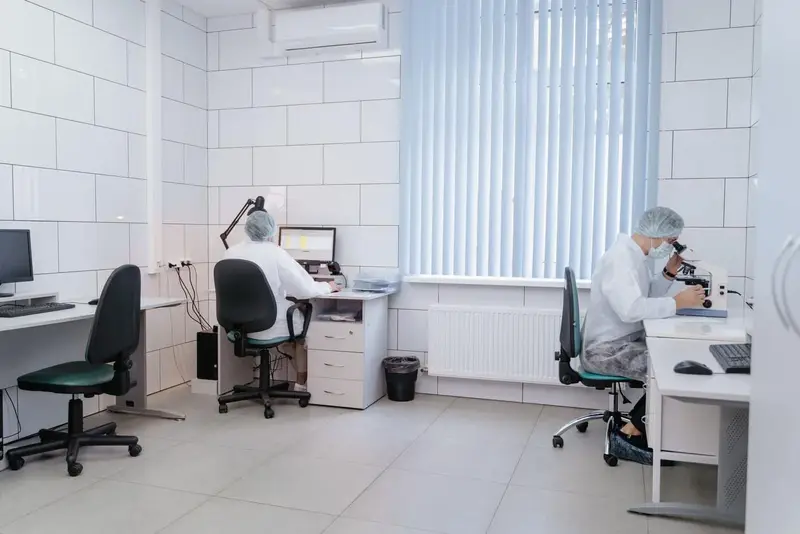
Laboratory & Research Floor Coatings
Chemical-resistant, seamless, decontaminable floor systems for research labs, QC labs, and analytical facilities across New Jersey and eastern Pennsylvania. Engineered to take spilled reagents, hold a clean envelope, and carry ESD static control where the instruments demand it.
- Resinous & ESD-option systems
- NJ + Eastern PA
- 20+ years installing
- Free on-site assessment
- Reagent-Resistant
- Specified to the acids, solvents & bases you handle
- Seamless & Coved
- Non-porous surface that decontaminates fully
- 20+ Years Experience
- Resinous & epoxy installs across NJ & PA
- ESD Static Control
- Grounded systems for instrument-sensitive rooms
The laboratory floor problem
A lab floor is a containment surface first and a walking surface second
Bench work drips acids, solvents, oxidizers, and reagents onto the floor every day, and a spill that beads on one floor will etch, stain, or soften another. On top of the chemistry, a research space has to decontaminate completely and, around sensitive electronics, drain off static charge before it reaches an instrument. Ordinary VCT, tile, and thin paint cannot do all three.
The weak points are the joints. Grout lines, sheet-vinyl seams, and the square corner where the floor meets the casework are exactly where a spilled reagent wicks in and where contamination survives a wipe-down. Once chemistry gets under the surface, the slab takes the damage and the room can no longer be certified clean.
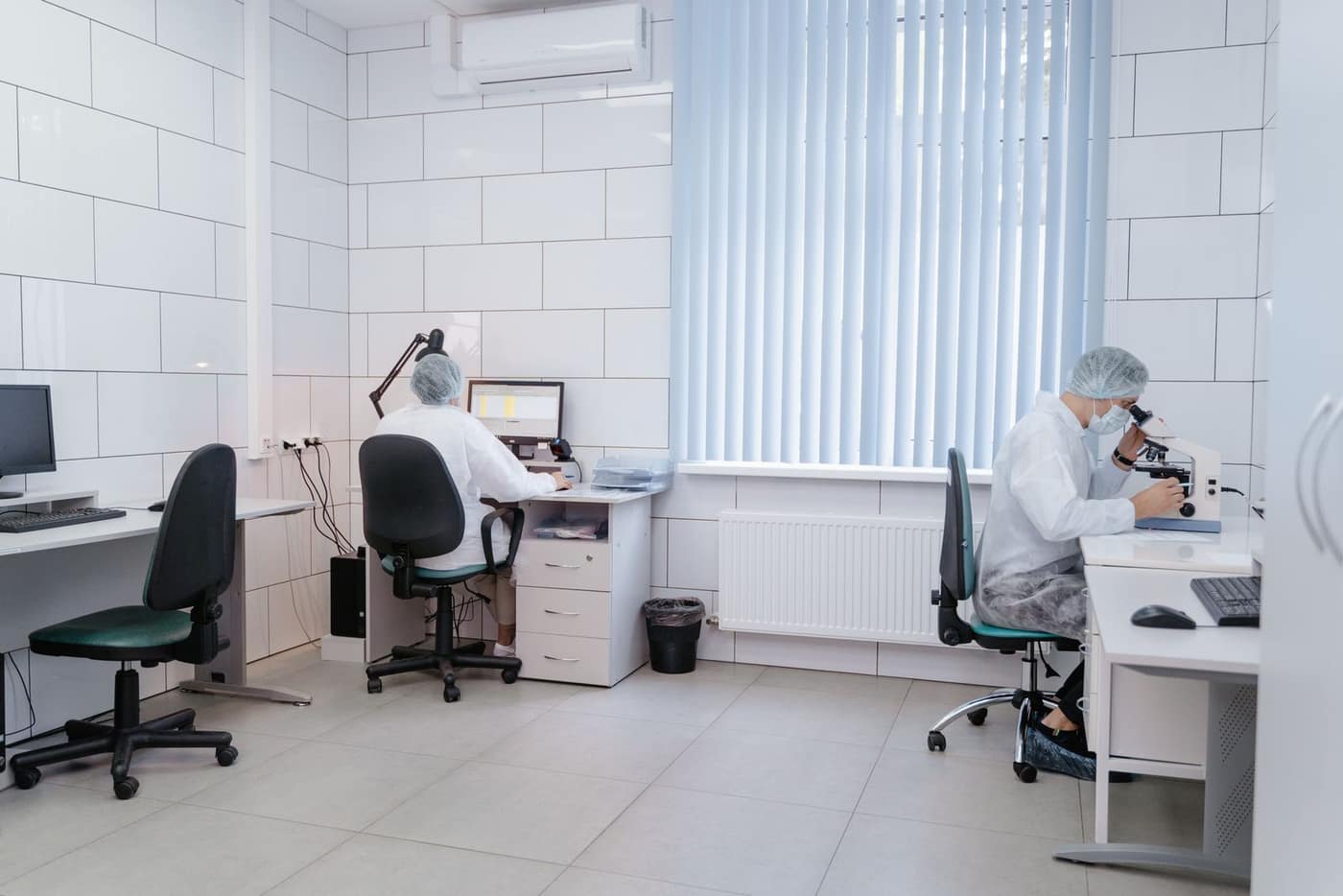
Zone-by-zone
We spec each area of the building for the job it actually does
No single coating is right everywhere. Here is how we read a lab floor and match the chemistry to the punishment.
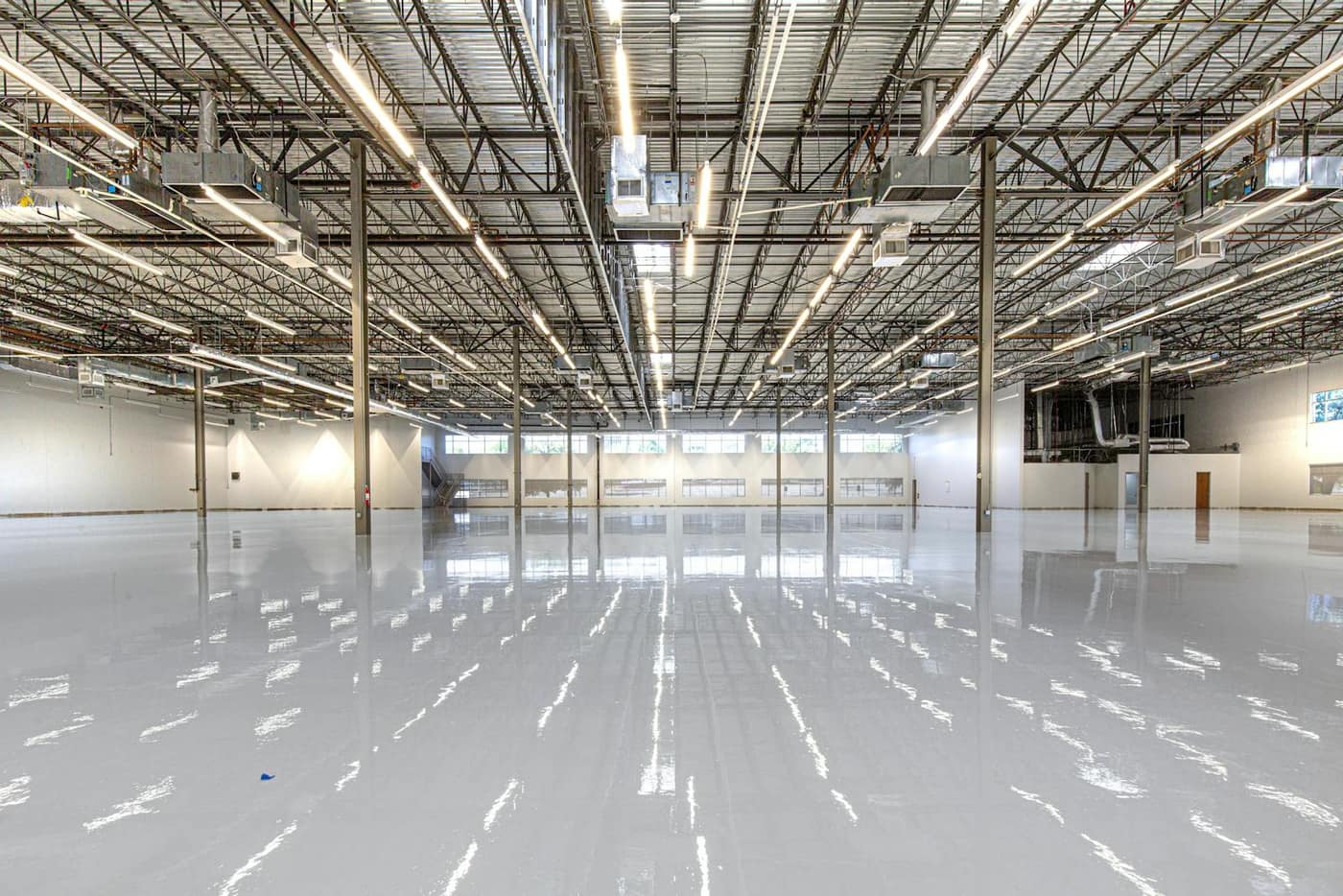
Material choice
Why a lab floor is matched to the reagent list, not picked off a shelf
No single resin shrugs off every chemical. A coating that laughs at sulfuric acid can still soften under a strong solvent, so the right answer starts with your reagent list. We profile the slab first and make sure it is dry and sound before we coat, recommending a moisture test where the water table runs high or the space sits low or below grade, then specify the chemistry for what each room actually spills, references the manufacturer chemical-resistance chart, and detail the floor with integral coving so there is no seam for a spill to find.
For wet chemistry and analytical space, seamless resinous systems are the workhorse: poured as one continuous, non-porous film, carried up the wall in a coved base, and formulated to resist the acids, bases, solvents, and oxidizers labs handle. Where instruments are static-sensitive, we build a grounded ESD floor that keeps surface resistance inside the ANSI/ESD S20.20 window so charge bleeds away before it can damage electronics.
- Chemical resistance specified to your reagents, screened by 7-day immersion against acids, bases, solvents, and oxidizers so spills clean up instead of etching the floor. [ASTM D543 · manufacturer charts]
- Seamless and non-porous with integral cove base, so there are no grout lines, seams, or square corners for reagents and contamination to wick into. [Sherwin-Williams · Stonhard]
- ESD static-control build grounded to keep flooring resistance below 1 x 10^9 ohms where instruments are charge-sensitive. [ANSI/ESD S20.20]
- Slab kept dry and sound before any coating goes down, with a moisture test worth doing on low or below-grade space, held to relative humidity at or below 85%. [ASTM F2170 · F1869]
- Floor resistance measured, not assumed, with point-to-point and resistance-to-ground readings taken after install using the recognized ESD flooring method. [ANSI/ESD STM7.1]
How it works
From your first call to the final coat
We map the whole job before we touch the floor, then phase the work around your production.
- Free Quote(877) 376-9965No-cost on-site assessmentGet my quote
Call or Contact Us
Tell us about your facility and timeline.
- Walk-through
- Wet chemistry
- Instrument rooms
- Sample prep
Consultation
A free walk-through and a per-room floor spec.
- Slab PrepProfiledDry & sound
Preparation
Slab profiled and confirmed dry and sound before coating.
- Sealed
Installation
Seamless coved system installed, phased around the lab.
Standards & specifications
Built to the standards a research facility is held to
We don’t claim certifications we don’t hold. We install systems that can be specified to meet the requirements that matter to a laboratory, and we name the standards behind them so your safety officer can confirm the spec.
Chemical-resistance screening
Resin chemistry matched to your reagent list and backed by the ASTM D543 immersion method, where coupons sit in agents such as sulfuric acid, sodium hydroxide, and solvents for a fixed period and are checked for softening, swelling, and staining. [ASTM D543]
ESD static control
For instrument-sensitive rooms we build a grounded static-control floor specified to keep flooring resistance below 1 x 10^9 ohms, the threshold the standard sets for ESD flooring, with grounding tied in across the layout. [ANSI/ESD S20.20]
Floor-resistance verification
After installation we take point-to-point and resistance-to-ground readings using the ANSI/ESD STM7.1 flooring method, the test the EOS/ESD Association writes for static-control floors, so the performance is confirmed by measurement rather than taken on faith. [ANSI/ESD STM7.1]
Slab moisture testing
The slab has to be dry and sound before coating, and a moisture test using in-situ relative-humidity probes (F2170) and/or anhydrous calcium-chloride MVER (F1869) is worth doing where the water table runs high or the space is low, below-grade, or flood-prone, with the slab held to the moisture ceiling the coating manufacturer specifies (commonly 85% RH or lower), since trapped slab moisture is a leading cause of coating failure. [ASTM F2170 / F1869]
Seamless, decontaminable detailing
Integral cove base and a continuous non-porous surface remove the seams, grout lines, and square corners where spilled reagents and contamination collect, so the room can be cleaned and decontaminated completely. [Seamless · coved]
Slip resistance (wet)
Aggregate broadcast into wash-down and wet zones, targeting the ANSI A326.3 wet DCOF benchmark of 0.42, tuned per area, and we stay honest that no wet floor is ever fully slip-proof. [ANSI A326.3]
We install products that carry ESD and chemical-resistance credentials and specify systems that can meet ANSI/ESD S20.20 and your facility’s chemical requirements. We don’t market Jersey Epoxy as certified, because those certifications are issued to products and facilities, not to a contractor.
Benefits
A properly specified lab floor contains the chemistry and keeps the room certifiable
Reagent Resistance
Resinous systems are specified to the acids, bases, solvents, and oxidizers your lab actually handles, so a spill cleans up without etching, staining, or softening the floor.
Seamless & Decontaminable
A continuous non-porous surface with integral coving leaves no joints or porosity for contamination to lodge in, so the space can be wiped down and decontaminated fully.
ESD Static Control
Grounded static-control systems drain charge off the floor and keep resistance inside the ANSI/ESD S20.20 window where instruments and electronics are charge-sensitive.
Equipment & Cart Durability
Hard, high-build systems take rolling carts, dropped glassware, and heavy analytical equipment without gouging or wearing through.
Slip Resistance When Wet
We broadcast aggregate into wash-down and wet-chemistry zones so staff stay on their feet, and tune the texture so the floor still cleans easily.
Phased, Low-Downtime Install
Fast-cure systems and room-by-room scheduling bring a lab back into service quickly, so a floor job does not shut the research down.
Recommended systems
The systems we reach for in a laboratory
Curated for research and analytical space. Explore the chemistry behind each.

Resinous Flooring
Seamless, non-porous, and reagent-resistant: the backbone system for wet chemistry, analytical, and controlled lab space, with an ESD build where instruments need it.
Explore system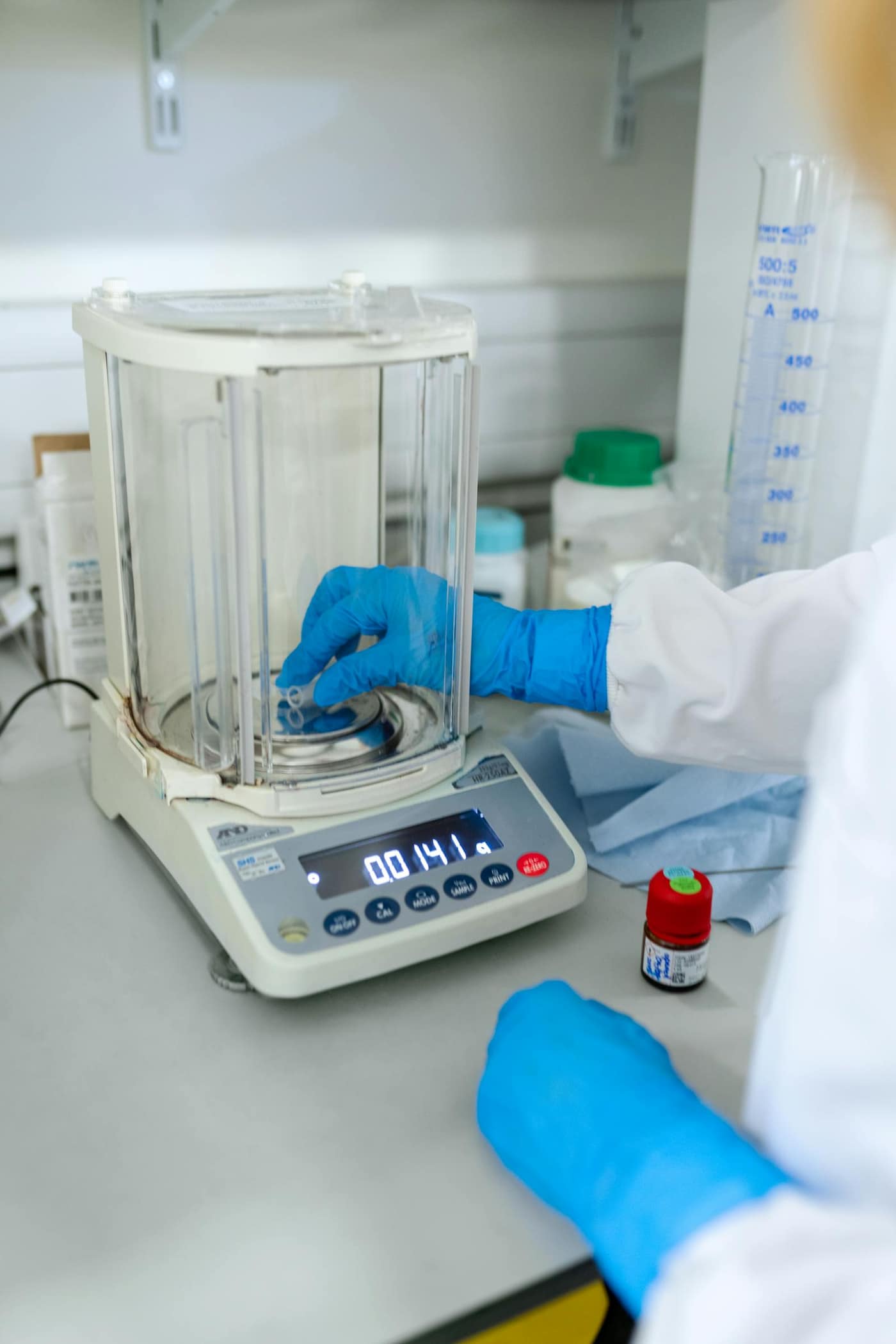
Epoxy Flooring
A hard, cleanable, high-build base for sample prep and general lab areas that take rolling carts, dropped glassware, and constant cleaning.
Explore system
Flake Epoxy
Decorative, durable, and slip-tunable: a clean, professional finish for corridors, write-up rooms, and offices outside the wet zones.
Explore systemProudly Serving New Jersey & Eastern PA
Our crews are on the road daily. Select your region to see our coverage.

New Jersey
Statewide Coverage- Monmouth & Ocean County
- Bergen & Essex County
- Middlesex & Mercer County
- Atlantic & Cape May County
- Morris & Somerset County
FAQ
Laboratory flooring questions, answered straight
Will the floor resist the chemicals we work with?
Yes, when it is specified for them. No single resin resists everything, so we start from your reagent list, match the chemistry against the manufacturer resistance charts and the ASTM D543 immersion data, and specify a system built for the acids, bases, solvents, and oxidizers you actually handle.
Can you build a static-control (ESD) floor for our instruments?
Yes. For static-sensitive rooms we install a grounded ESD floor specified to keep flooring resistance below 1 x 10^9 ohms, the threshold in ANSI/ESD S20.20, then verify it with point-to-point and resistance-to-ground readings to the ANSI/ESD STM7.1 flooring method after install so the performance is confirmed, not assumed.
Can the floor be fully decontaminated?
Yes. A seamless, non-porous surface with integral cove base leaves no joints, grout lines, or square corners for contamination to lodge in, so the room can be wiped down and decontaminated edge to edge.
Is it tough enough for heavy instruments and carts?
Yes. These are hard, high-build resinous and epoxy systems that take rolling carts, dropped glassware, and heavy analytical equipment without gouging or wearing through.
Will it be slippery in wet or wash-down areas?
Wet lab floors are a real slip hazard, so we broadcast anti-slip aggregate into wet-chemistry and wash-down zones, targeting the ANSI A326.3 wet DCOF benchmark of 0.42, and tune the texture so the floor still cleans easily.
How do you install without shutting the lab down?
We phase the work room by room around your schedule, work off-hours where needed, and use fast-cure systems so a lab returns to service quickly while still getting full slab preparation and coving.
Get started
Let’s spec a floor that survives your reagent list
Free on-site assessment, honest per-room recommendations, and a precise quote. Phased around your bench schedule so the research never stops.
(877) 376-9965 · talk to an installerRated 5 stars by New Jersey homeowners & businesses
Powered by Google
 No Obligation