
Brewery & Beverage Production Floor Coatings
Seamless, thermal-shock-resistant floor systems for breweries, distilleries, and beverage producers across New Jersey and eastern Pennsylvania. Engineered for hot washdowns, CIP chemistry, and constant wet, and phased to keep production moving.
- Urethane-cement & resinous systems
- NJ + Eastern PA
- 20+ years installing
- Free on-site assessment
- Wash-Down Rated
- Thermal-shock & CIP-chemistry resistant systems
- Seamless & Sanitary
- Integral cove base, slope-to-drain detailing
- 20+ Years Experience
- Resinous & urethane-cement installs
- Phased Around Production
- We work your brew & cleaning schedule
The brewery floor problem
The brewhouse destroys ordinary floors two ways at once
A brewery floor takes hot water and steam, caustic and acidic clean-in-place (CIP) runoff, spilled wort and beer, constant moisture, and heavy keg and tank traffic. The brewhouse and cellar combine the two things that wreck a coating fastest: thermal shock and chemical attack.
When hot CIP or washdown water hits a cooler slab, the surface expands and contracts fast. A rigid coating can’t move with the concrete, so it cracks and delaminates, and caustics and sugars get underneath. The right system has to handle both while staying cleanable and safe underfoot.
Zone-by-zone
We spec each area of the building for the job it actually does
No single coating is right everywhere. Here is how we read a production floor and match the chemistry to the punishment.
Material choice
Why ordinary epoxy fails in the brewhouse
Most brewery floor failures come down to the prep, or to the wrong chemistry in the hottest zone, more than the resin itself. The slab has to be dry and sound before we coat, so we profile it first and recommend a moisture test where the water table runs high, then specify each area for the punishment it actually takes.
For hot-wash and CIP zones, cementitious urethane (urethane cement) is the workhorse: its cement binder expands and contracts at nearly the same rate as the concrete underneath, so it moves with the slab through thermal cycling and stays intact. Across cooler production and packaging areas, seamless resinous and epoxy systems resist the organic acids, caustic detergents, and sugars of brewing while staying non-porous and cleanable.
- Thermal-shock resistance. Urethane cement’s thermal expansion is close to concrete’s, so hot washdowns and steam don’t crack it where rigid coatings let go. [Sika · BASF Ucrete]
- Chemical resistance to brewing acids, caustic CIP cleaners, and sugars across seamless resinous systems. [Sherwin-Williams · Sika]
- Slab moisture checked against recognized ASTM methods before any coating goes down. [ASTM F2170 · F1869]
- Seamless, with integral coving and slope-to-drain, giving the smooth, crack-free surface food-safety rules expect. [FDA cGMP · FSMA]
How it works
From your first call to the final coat
We map the whole job before we touch the floor, then phase the work around your production.
- Free Quote(877) 376-9965No-cost on-site assessmentGet my quote
Call or Contact Us
Tell us about your facility and timeline.
- Walk-through
- Brewhouse
- Cellar
- Taproom
Consultation
A free walk-through and a per-zone floor spec.
- Slab PrepProfiledDry & sound
Preparation
Slab profiled and confirmed dry before coating.
- Sealed
Installation
Seamless system installed, phased around production.
Standards & specifications
Built to the standards breweries are held to
We don’t claim certifications we don’t hold. We install systems that can be specified to meet the requirements that matter to a production facility, and we name the standards behind them.
Thermal-shock & hot wash-down
Cementitious urethane rated for steam and hot-water washdown, with service temperatures up to roughly 250-266°F depending on the system and installed thickness. [SIKA · BASF UCRETE]
Slab moisture testing
The slab has to be dry before coating, and a moisture test is worth doing where the water table runs high, using in-situ relative-humidity probes (F2170) and/or anhydrous calcium-chloride MVER (F1869), the recognized methods. [ASTM F2170 / F1869]
Slip resistance (wet)
Aggregate broadcast into wet zones, targeting the ANSI A326.3 wet DCOF benchmark of 0.42. We tune traction to each area and stay honest that no wet floor is ever fully slip-proof. [ANSI A326.3]
Sanitary detailing
Integral cove base and slope-to-drain remove the corners and standing water where bacteria collect, giving the smooth, crack-free surface FDA current good manufacturing practice expects. [FDA cGMP / FSMA]
Food-contact options
Where it’s required, we can specify products that carry third-party food-safety credentials such as NSF/ANSI 52 listing or HACCP International certification. [NSF/ANSI 52]
We install products that carry food-safety credentials and specify systems that can meet NSF, USDA, and FDA requirements. We don’t market Jersey Epoxy as certified, because those certifications are issued to products and facilities.
Benefits
A properly specified brewery floor takes the abuse and stays clean
Thermal-Shock Resistance
Urethane-cement systems absorb the thermal cycling of hot washdowns and CIP runoff without cracking, where rigid coatings fail.
Acid & Caustic Resistance
Seamless resinous systems shrug off the acids, caustics, and sugars of brewing, protecting the slab and staying intact.
Drainage & Coving
We grade and detail the floor to drain and carry the coating up the walls and into drains, so the brewhouse washes down as one continuous surface.
Slip Resistance When Wet
We broadcast aggregate into wet production zones so crews stay on their feet, and tune it to stay cleanable.
Seamless & Sanitary
A non-porous surface with no grout lines or open joints gives mold and bacteria nowhere to hide.
Fast Return to Service
Rapid-cure systems bring the zones that can’t wait back into production quickly, so a floor job doesn’t stop your brew.
Recommended systems
The systems we reach for in a brewery
Curated for beverage production. Explore the chemistry behind each.
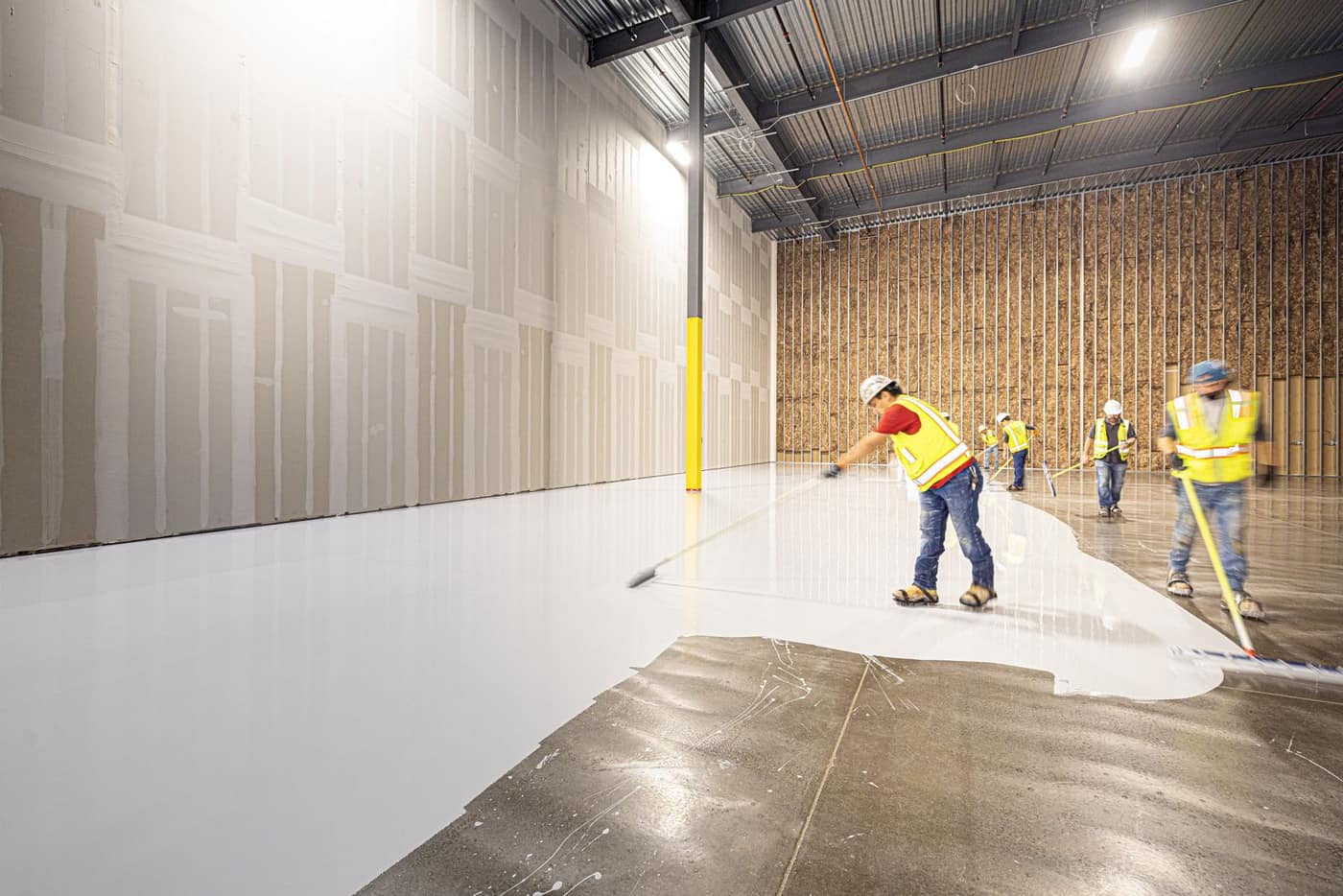
Resinous Flooring
Seamless, chemical-resistant, and non-porous: the backbone system for cellars, packaging, and general production.
Explore system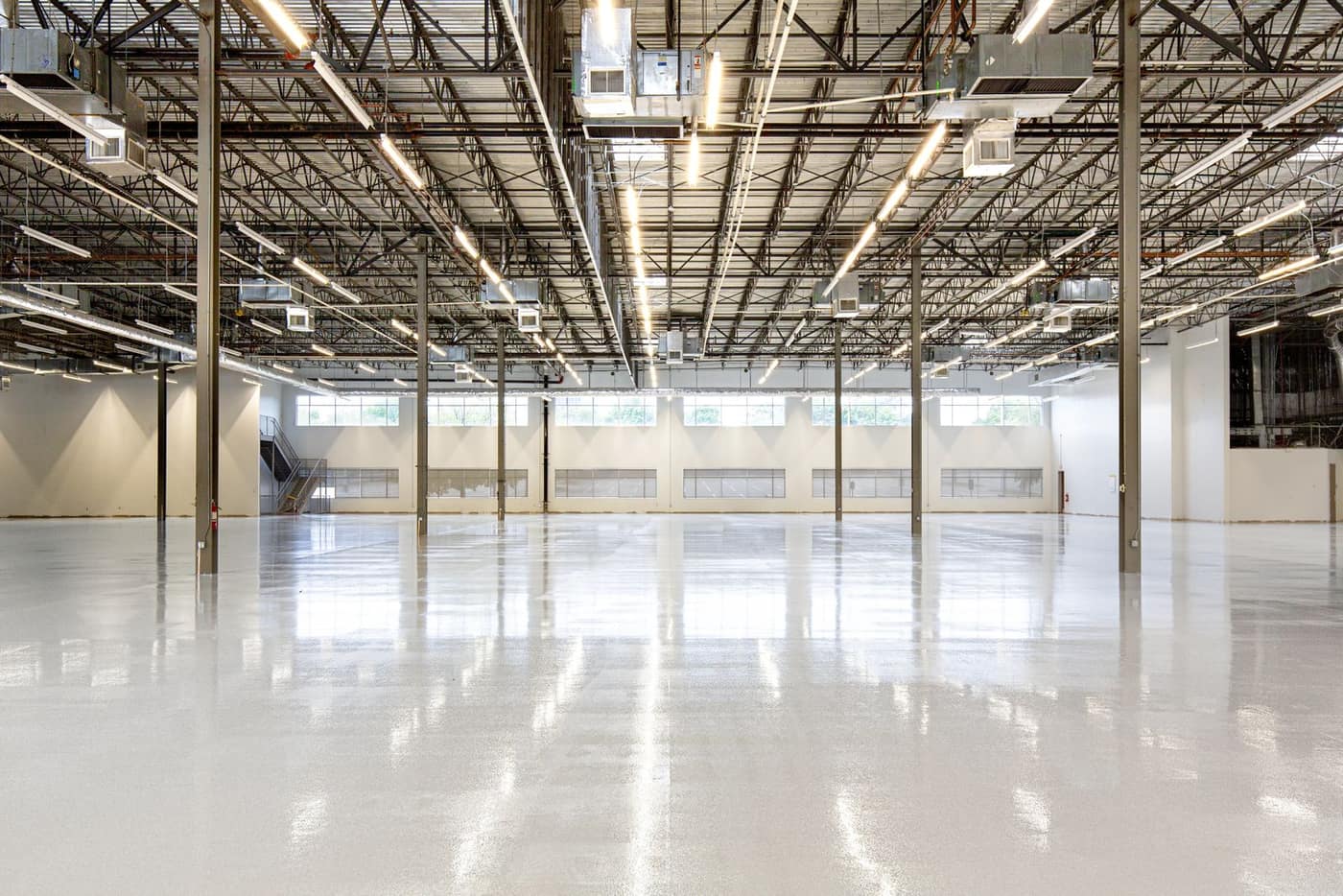
Epoxy Flooring
A hard, cleanable, high-build base for production and storage areas that take traffic and the occasional spill.
Explore system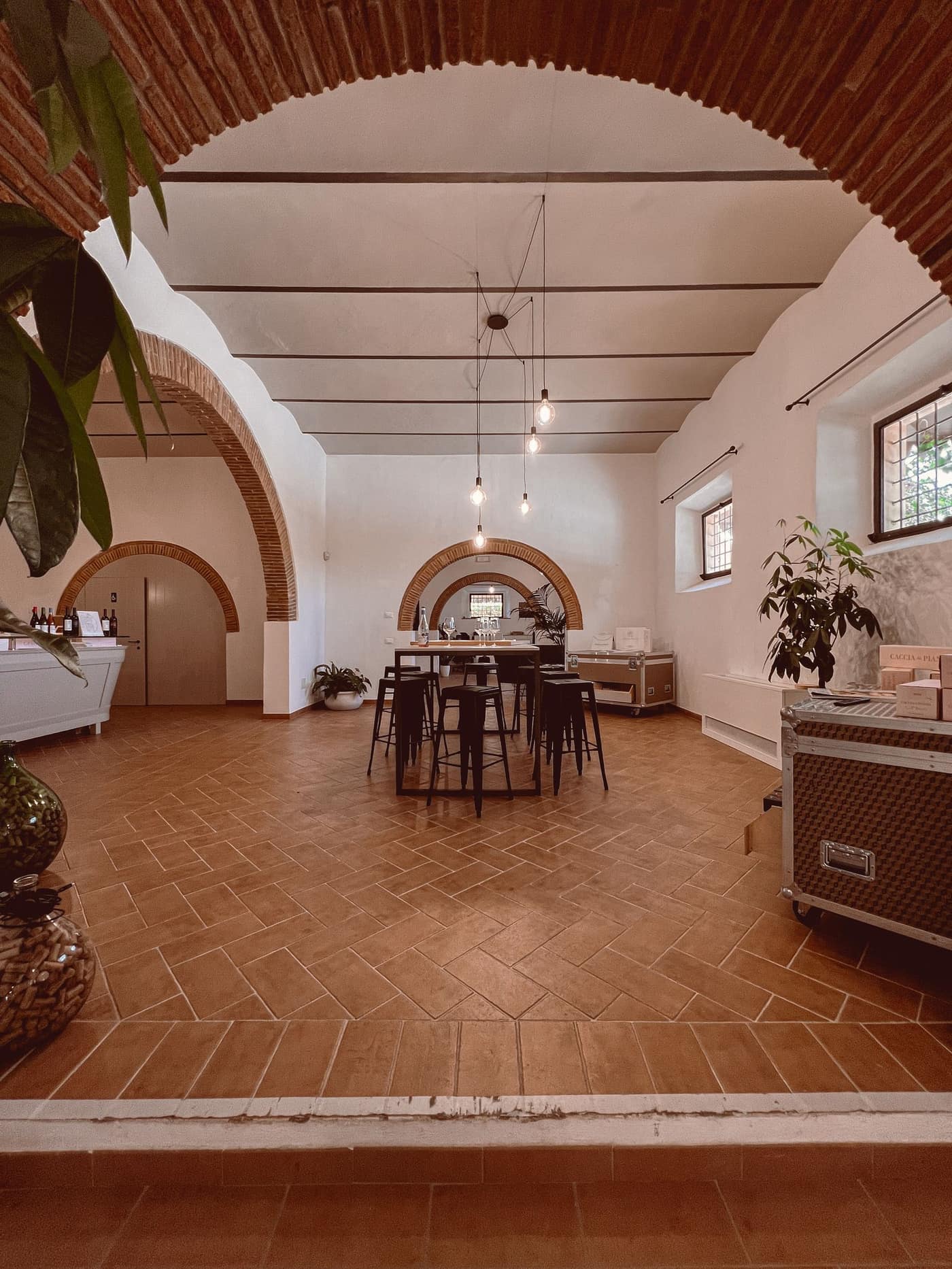
Flake Epoxy
Decorative, durable, and slip-tunable: a taproom-ready finish that still stands up to spills and foot traffic.
Explore systemProudly Serving New Jersey & Eastern PA
Our crews are on the road daily. Select your region to see our coverage.
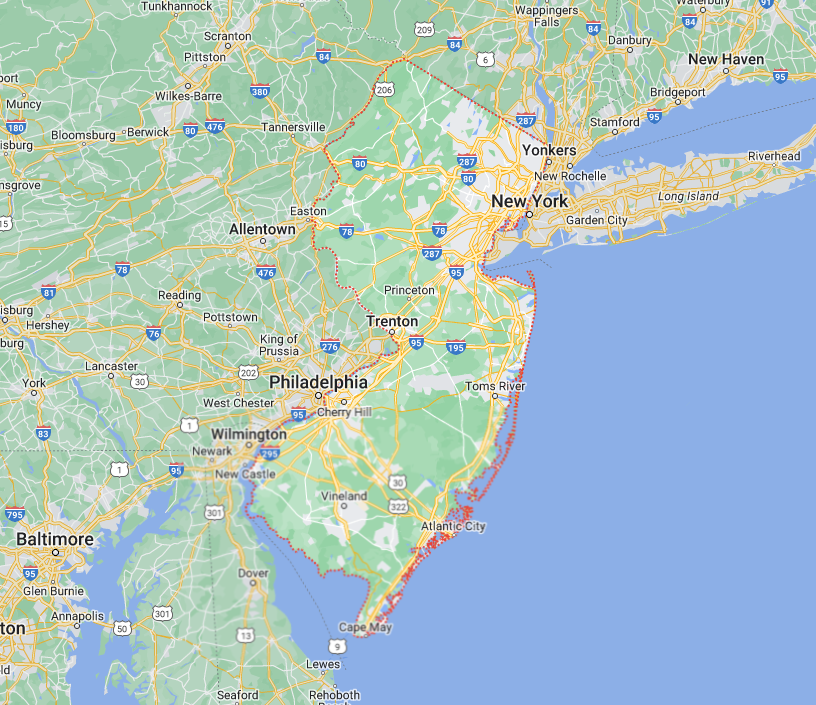
New Jersey
Statewide Coverage- Monmouth & Ocean County
- Bergen & Essex County
- Middlesex & Mercer County
- Atlantic & Cape May County
- Morris & Somerset County
FAQ
Brewery flooring questions, answered straight
Why does our brewhouse floor keep cracking?
That’s usually thermal shock: hot washdowns and CIP runoff hit a cooler slab, the surface expands and contracts fast, and a rigid coating fractures. For those zones we specify cementitious urethane, which expands and contracts at nearly the same rate as concrete, so it moves with the slab and stays intact.
Will the floor resist our cleaning acids and caustics?
Yes. We specify seamless resinous and urethane systems formulated to resist the organic acids, caustic CIP cleaners, and sugars of brewing, matched to the products you actually clean with.
Is the floor food-safe?
We install systems that can be specified to meet FDA and USDA food-plant guidelines, including products that carry third-party credentials such as NSF/ANSI 52 listing or HACCP International certification. We won’t claim a certification we don’t hold; we specify products that carry the ones you need.
Will it be slippery when wet?
Wet brewery floors are a leading slip hazard, so we broadcast anti-slip aggregate into wet zones, targeting the ANSI A326.3 wet DCOF benchmark of 0.42 and tuning the texture so the floor still cleans easily.
Can you coat the taproom too?
Yes. Customer areas can carry a decorative, durable finish like metallic or flake that looks great and handles traffic and spills, while production zones get the heavy-duty seamless systems.
How do you work around our brewing schedule?
We phase the work area by area around your production and cleaning cycles, including off-hours, and use rapid-cure systems where a zone has to return to service quickly.
Get started
Let’s spec a floor that survives your brewhouse
Free on-site assessment, honest per-zone recommendations, and a precise quote. Phased around your production so you never go dark.
(877) 376-9965 · talk to an installerRated 5 stars by New Jersey homeowners & businesses
Powered by Google
 No Obligation