
Auto Dealership Showroom & Service-Bay Floor Coatings
High-gloss showroom floors that sell the brand and hard, hot-tire-resistant service-bay coatings that survive the shop, for auto dealerships across New Jersey and eastern Pennsylvania. One facility, two very different floors, phased so the doors never close.
- Showroom & service-bay systems
- NJ + Eastern PA
- 20+ years installing
- Free on-site assessment
- Hot-Tire-Pickup Rated
- Polyaspartic topcoats that hold under hot rubber
- Showroom-Grade Finish
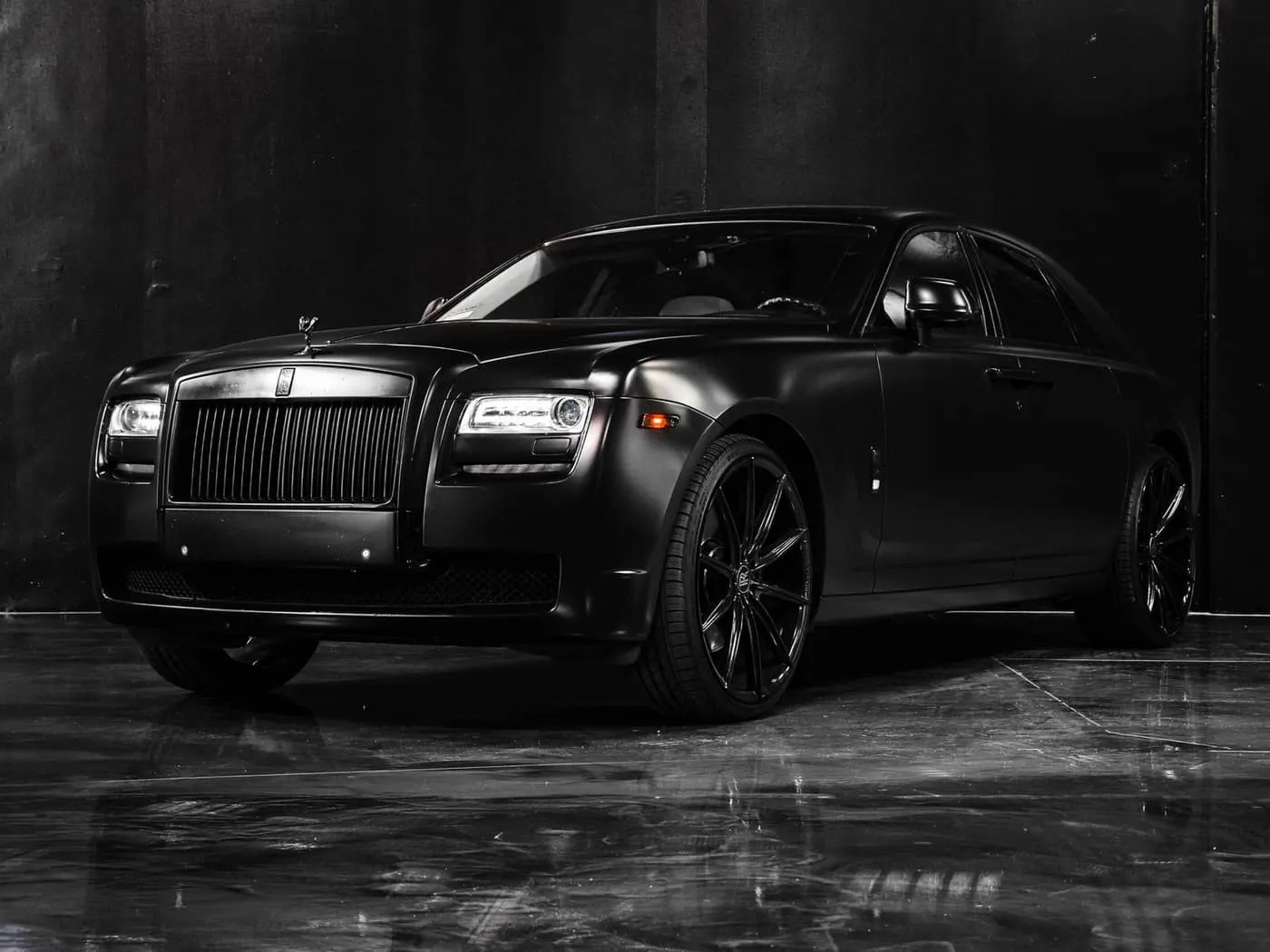
- Metallic & polished, deep and light-reflective
- 20+ Years Experience
- Decorative & automotive floor installs
- Phased Around Sales Hours
- We work nights and zones so you stay open
The dealership floor problem
A dealership asks one building to be a showroom and a shop
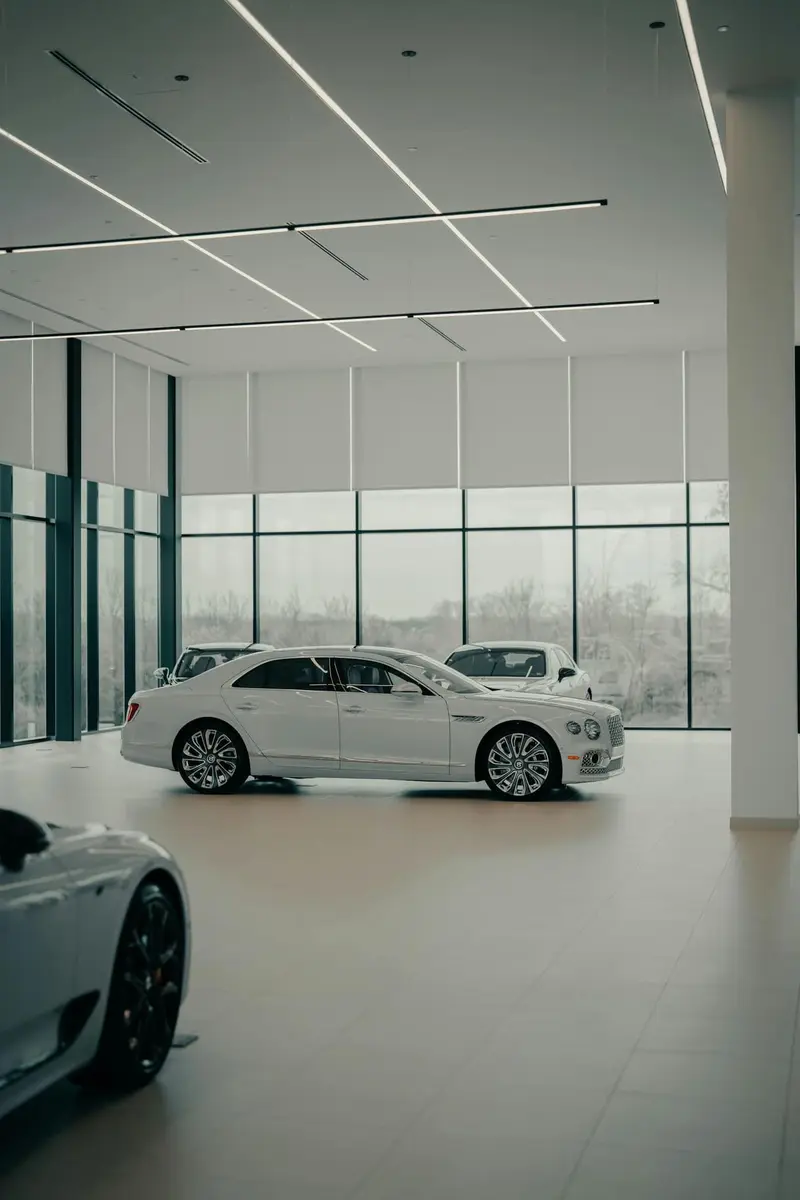
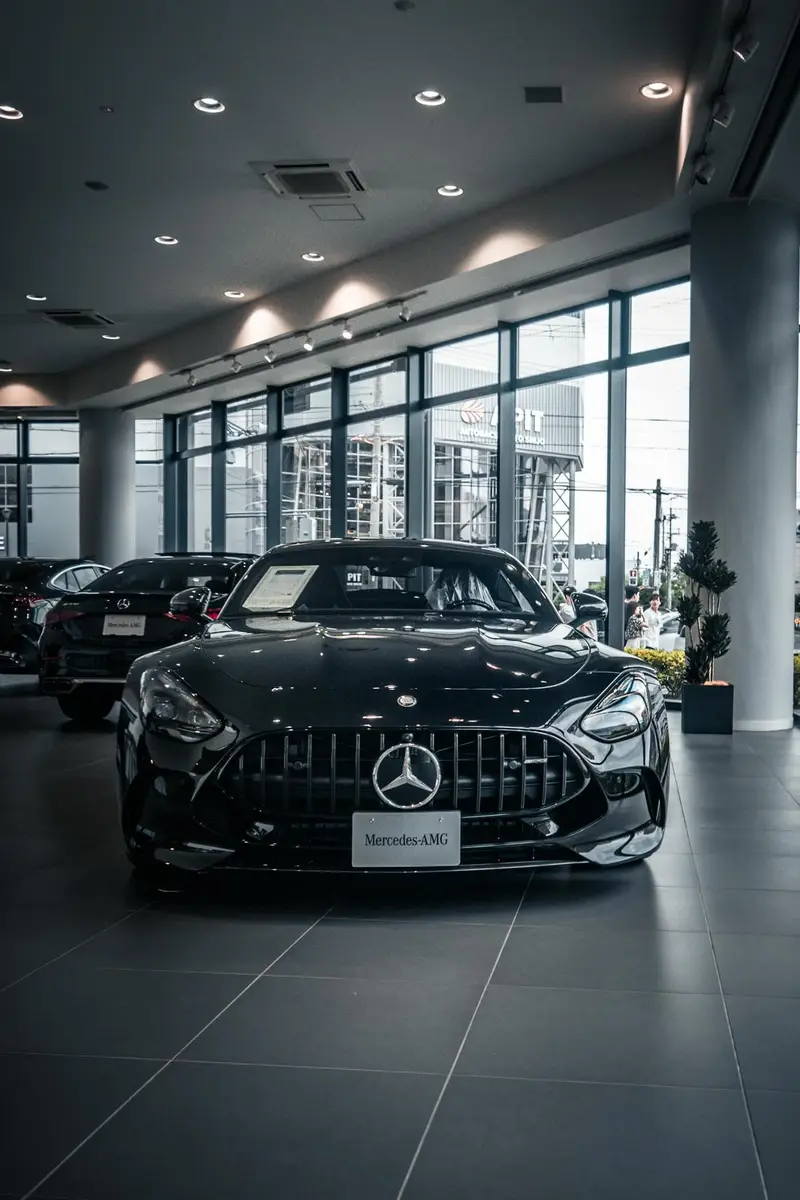
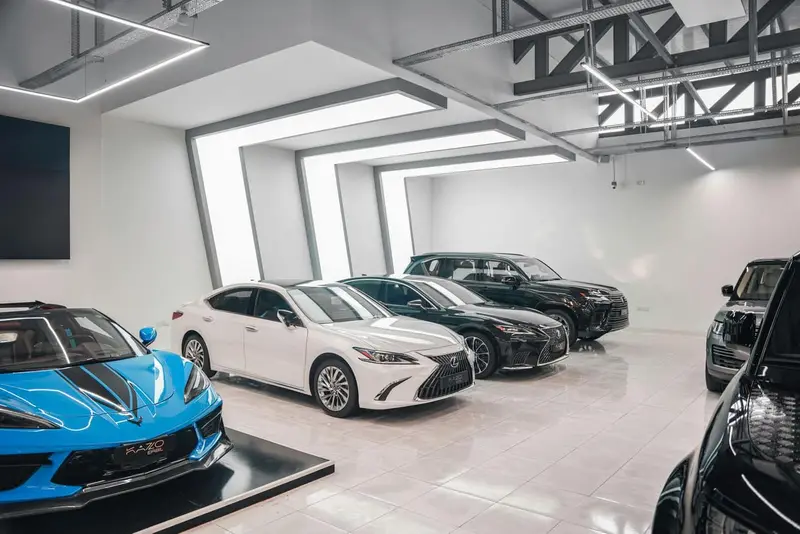
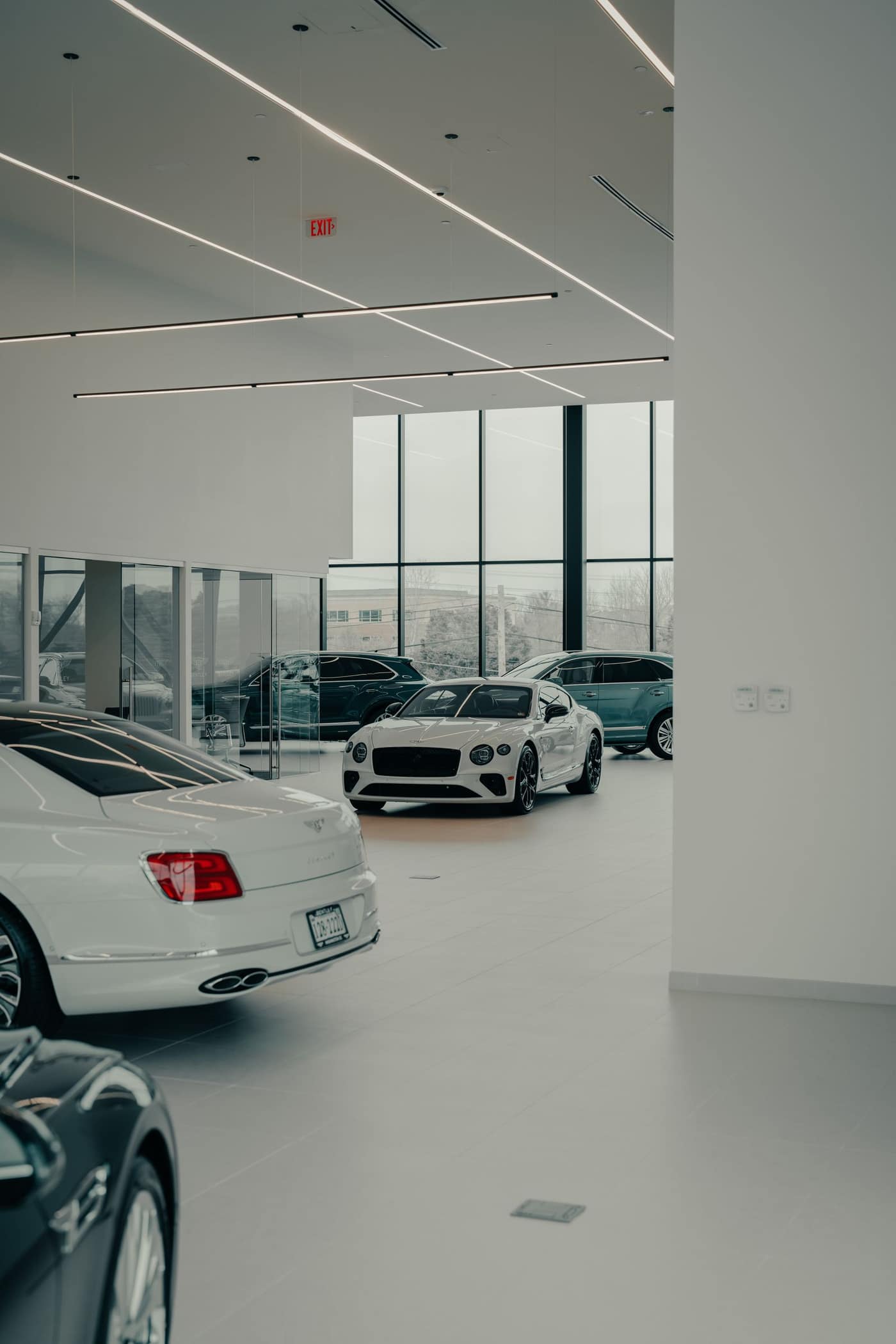
The showroom has to read as premium under bright lights with vehicles parked on it for weeks at a time, while the service department behind it takes hot tires straight off the road, hydraulic lifts, dropped tools, oil, brake fluid, and coolant. The same coating almost never wins in both rooms.
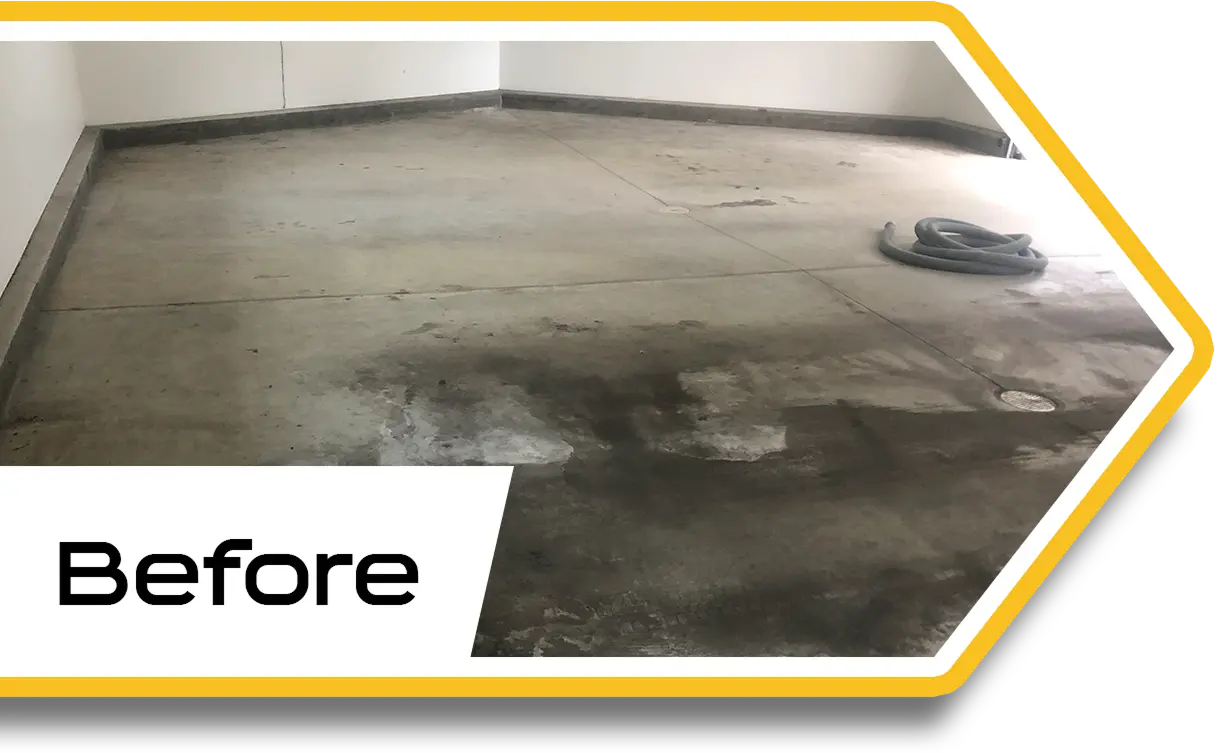
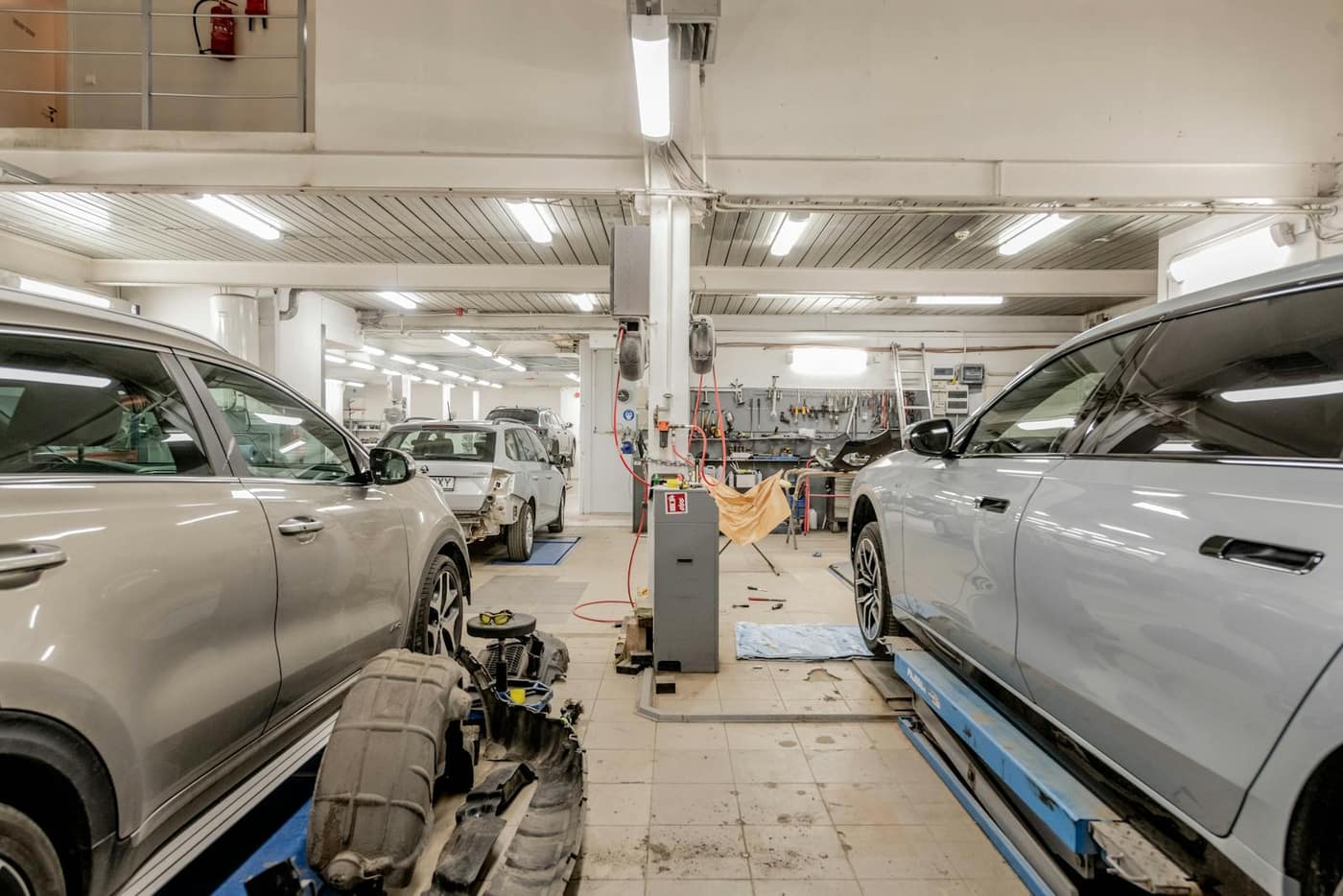
The classic failure is on the service side. Tires come off the highway hot, soft rubber bonds to a thin or under-cured coating, and when the car pulls out it peels the finish up with it. Plasticizers leaching from the rubber stain what they do not lift. We read each room separately and specify the chemistry for the punishment it actually takes.
Zone-by-zone
We spec each area of the building for the job it actually does
No single coating is right everywhere. Here is how we read a dealership floor and match the chemistry to the punishment.
Material choice
Why the showroom and the shop need different chemistry
Most dealership floor complaints trace back to one coating asked to do two jobs, or to a thin water-based kit put down on a slab that was never properly profiled. The slab has to be dry and sound before we coat, so we prep the concrete first, then split the spec by room.
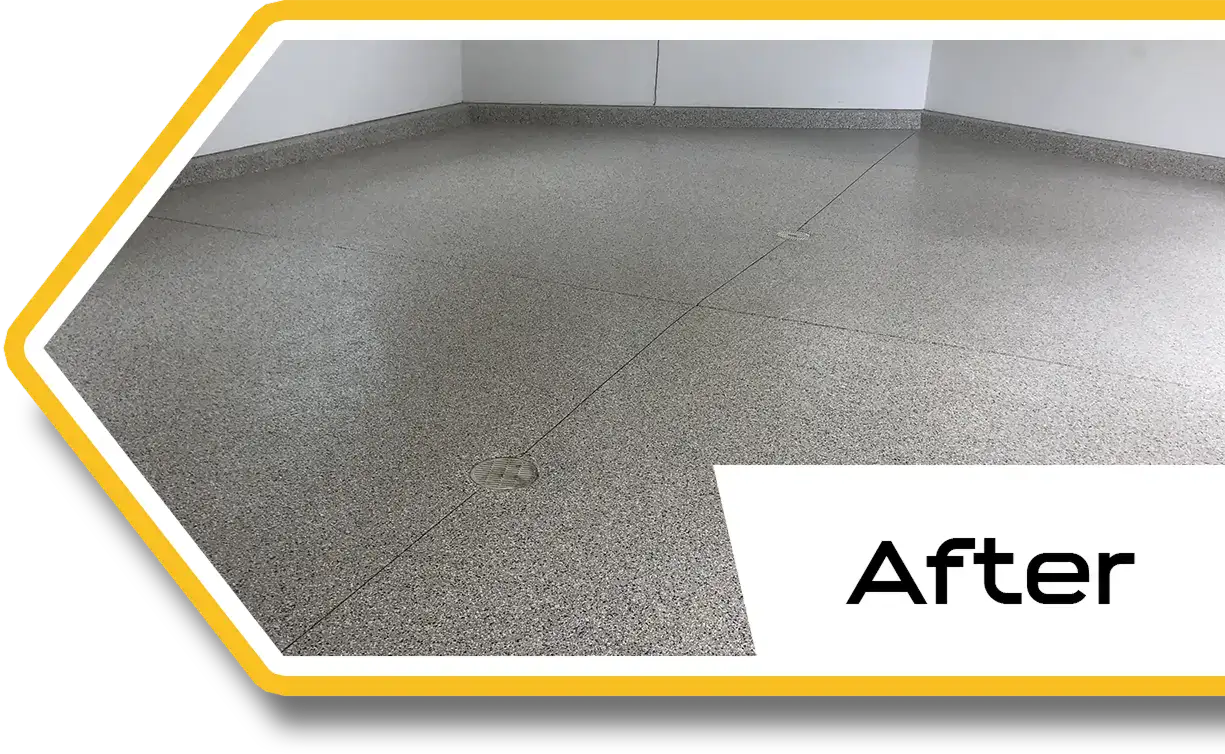
The showroom wants depth and light, so we reach for metallic epoxy and polished concrete that throw a deep, reflective finish and make the inventory pop. The service side wants toughness and heat tolerance, so we finish bays with a hard polyaspartic or polyurea topcoat over a high-solids base. Polyaspartic cures harder and holds its grip under hot rubber where standard epoxy softens and lets go.
- Hot-tire-pickup resistance. Polyaspartic and polyurea topcoats stay bonded under the heat of tires straight off the road, where thinner epoxy films soften and peel. [Sherwin-Williams · Sika]
- Chemical and stain resistance to motor oil, brake fluid, antifreeze, and solvents, so spills wipe up instead of soaking into the slab. [Manufacturer data]
- Slab has to be dry per bay before coating, and a moisture test (ASTM relative-humidity or calcium-chloride) is worth doing where the water table runs high, since showroom and wash-area slabs almost never carry the same moisture load. [ASTM F2170 · F1869]
- Rapid return to service with polyaspartic systems that can re-open a bay or showroom inside a day. [Manufacturer cure data]
How it works
From your first call to the final coat
We map the whole job before we touch the floor, then phase the work around your production.
- Free Quote(877) 376-9965No-cost on-site assessmentGet my quote
Call or Contact Us
Tell us about your facility and timeline.
- Walk-through
- Showroom
- Service bays
- Parts & halls
Consultation
A free walk-through and a per-room floor spec.
- Slab PrepProfiledDry & sound
Preparation
Slab profiled and confirmed dry before coating.
- Sealed
Installation
Showroom and bays coated, phased around sales hours.
Standards & specifications
Built to the demands a dealership floor actually faces
We do not claim certifications we do not hold. We install systems that can be specified to meet the requirements a dealership cares about, in the showroom and the shop, and we name the standards behind them.
Hot-tire-pickup resistance
Service bays finished with a hard polyaspartic or polyurea topcoat over a high-solids base, formulated to hold under the heat of tires off the road rather than soften and lift the way thin epoxy kits do. [SHERWIN-WILLIAMS · SIKA]
Slab moisture testing
A showroom slab that sat under HVAC for years and a service-bay slab that lives near wash drains rarely read the same, so each has to read dry before coating, and a moisture test is worth doing where the water table runs high or a slab sits low or below grade. F2170 reads in-situ relative humidity inside the slab and F1869 measures vapor emission with anhydrous calcium chloride, and those numbers would decide the primer and whether a moisture-mitigation coat goes down first. [ASTM F2170 / F1869]
Slip resistance (wet)
Wash, quick-lube, and lift bays see standing water cut with oil and degreaser, the slickest combination in the building, so we broadcast aggregate into those floors and aim for the ANSI A326.3 oils-and-greases use category rather than just the 0.42 interior-wet floor. Traction is dialed in bay by bay, and no coated floor is ever fully slip-proof when fluids are pooling on it. [ANSI A326.3]
Chemical resistance
Non-porous topcoats specified to resist motor oil, brake fluid, antifreeze, and the solvents and degreasers a shop runs, so fluids stay on top to be wiped up instead of staining the concrete. [Manufacturer data]
Decorative & brand finishes
Metallic, flake, and polished options across a wide color range, so the showroom and customer areas can be coordinated to your brand look without giving up durability. [Manufacturer systems]
We install products that carry manufacturer performance ratings and specify systems that can meet the standards a dealership is held to. We do not market Jersey Epoxy as certified, because those credentials are issued to products and facilities.
Benefits
A floor that sells out front and survives out back
Showroom-Quality Finish
Metallic epoxy and polished concrete give a deep, high-gloss, light-reflective floor that makes vehicles and the room look premium under showroom lighting.
Hot-Tire-Pickup Resistance
Service bays finished with a hard polyaspartic topcoat hold their grip under hot rubber, so the coating does not peel up when a car pulls off the lift.
Oil & Chemical Resistance
A non-porous surface keeps motor oil, brake fluid, antifreeze, and solvents sitting on top to be wiped away rather than staining the slab.
Slip Resistance Where It Counts
We broadcast aggregate into wash, quick-lube, and service areas so technicians stay on their feet where water and fluids pool.
Brand-Matched Color
A wide range of decorative finishes and colors lets the showroom and customer areas tie back to your brand without sacrificing toughness.
Fast Return to Service
Rapid-cure polyaspartic systems can bring a bay or showroom back into use inside a day, so the floor job does not stall sales or service.
Recommended systems
The systems we reach for in a dealership
Curated for showrooms and service departments. Explore the chemistry behind each.
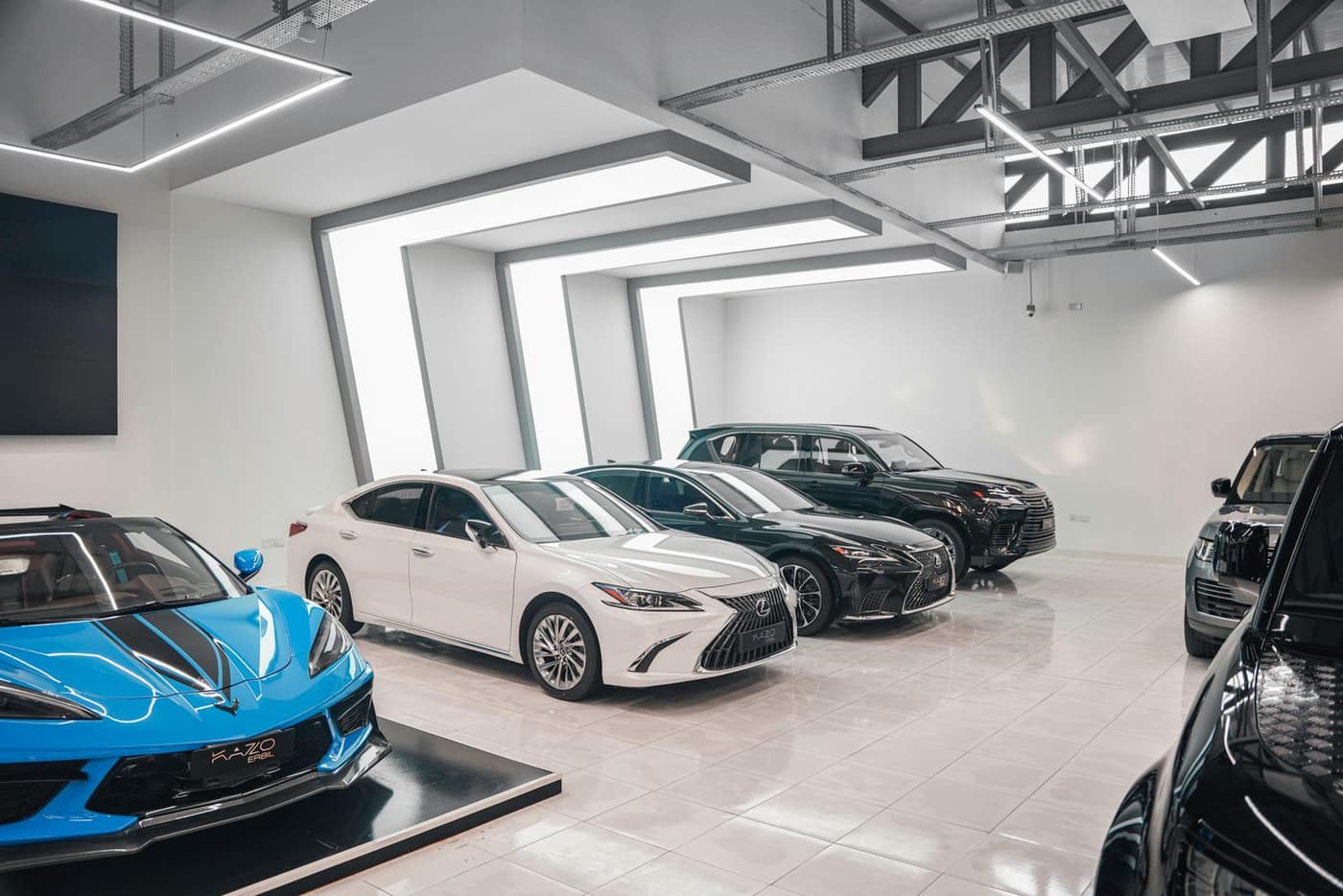
Metallic Epoxy
A deep, light-reflective decorative finish that makes the showroom and the inventory on it read premium.
Explore system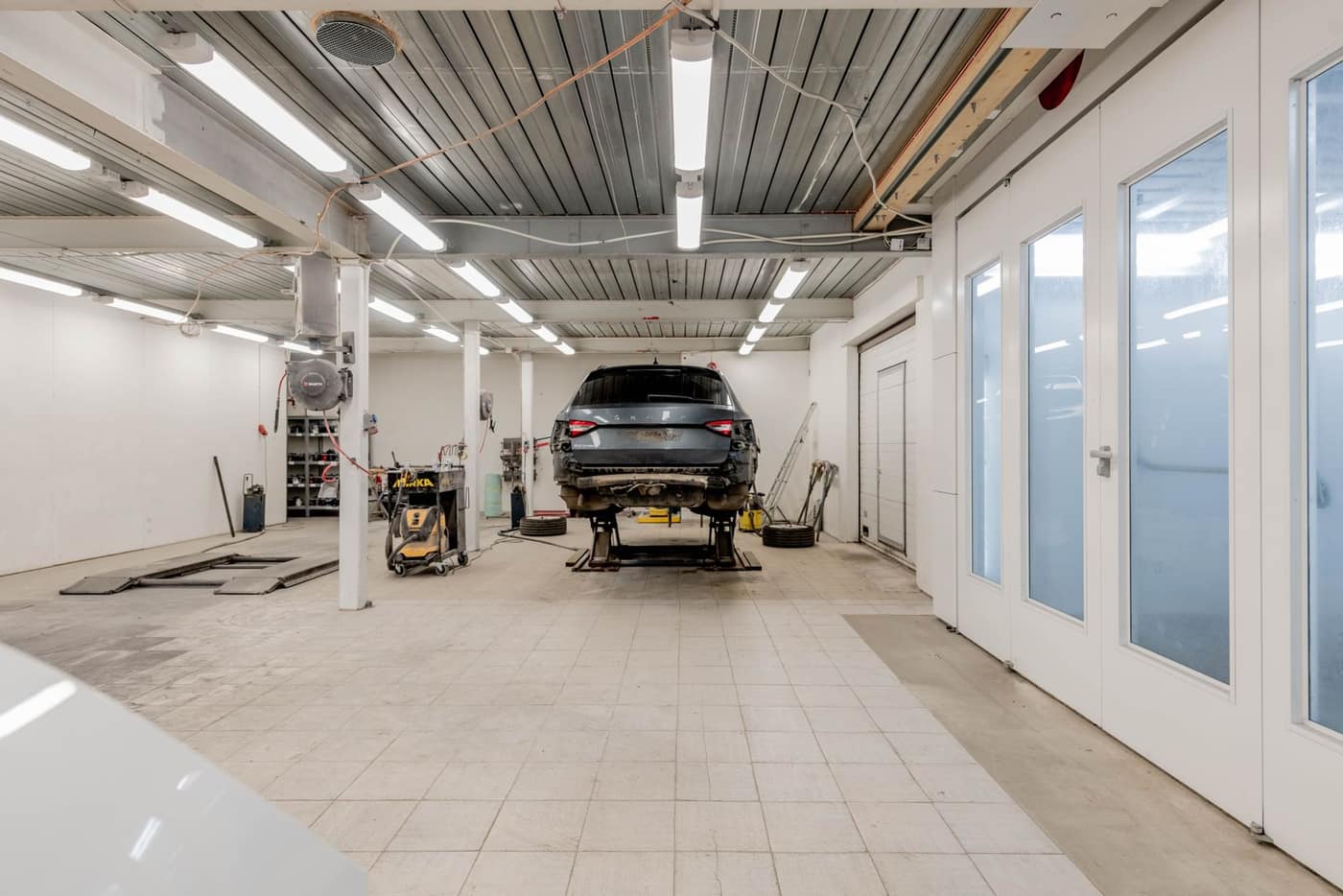
Polyaspartic Flooring
A hard, heat-tolerant, fast-curing topcoat built to beat hot-tire pickup and oil in the service bays.
Explore system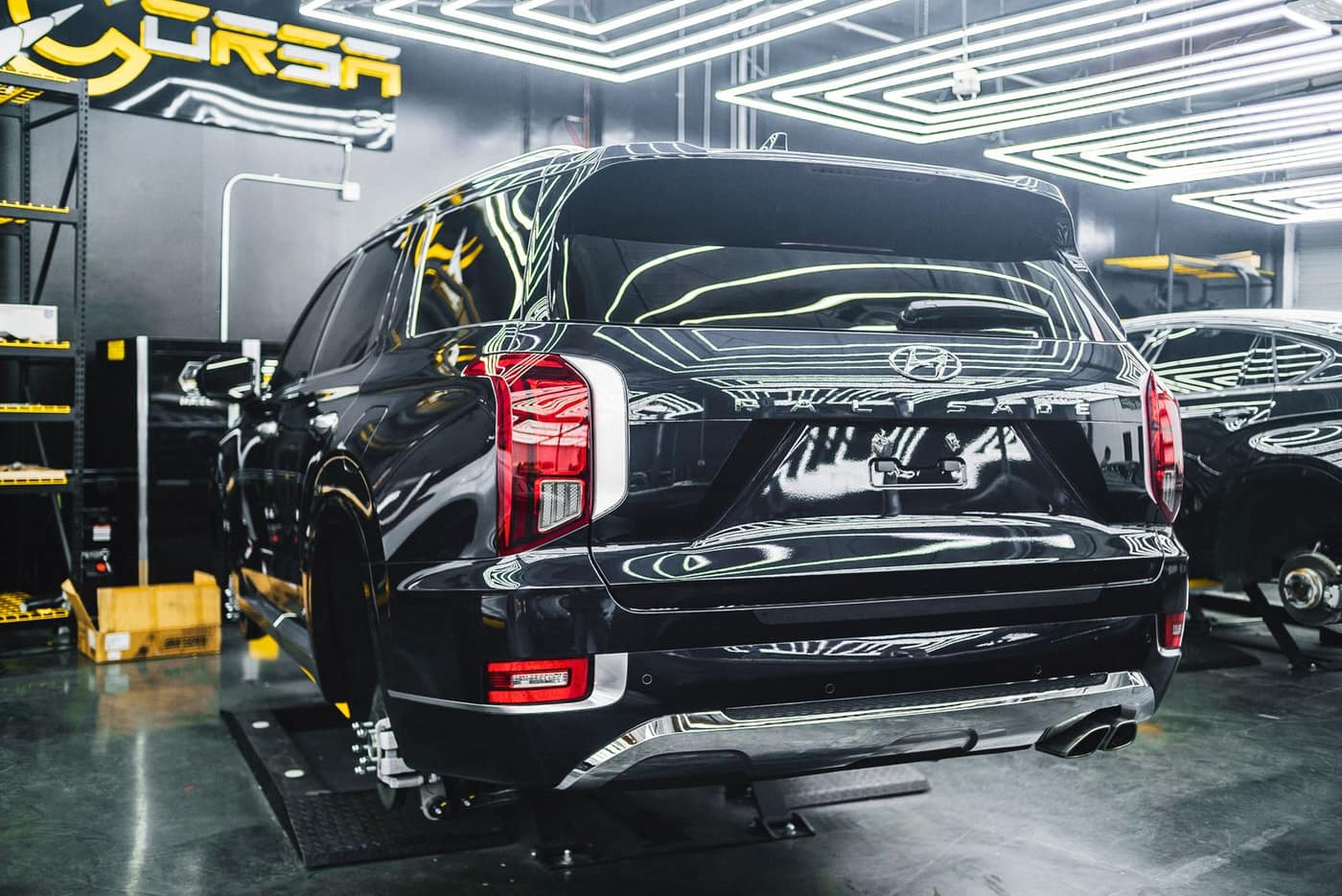
Flake Epoxy
Decorative, hard-wearing, and slip-tunable: a customer-area and parts-department finish that hides wear and cleans up easily.
Explore systemProudly Serving New Jersey & Eastern PA
Our crews are on the road daily. Select your region to see our coverage.
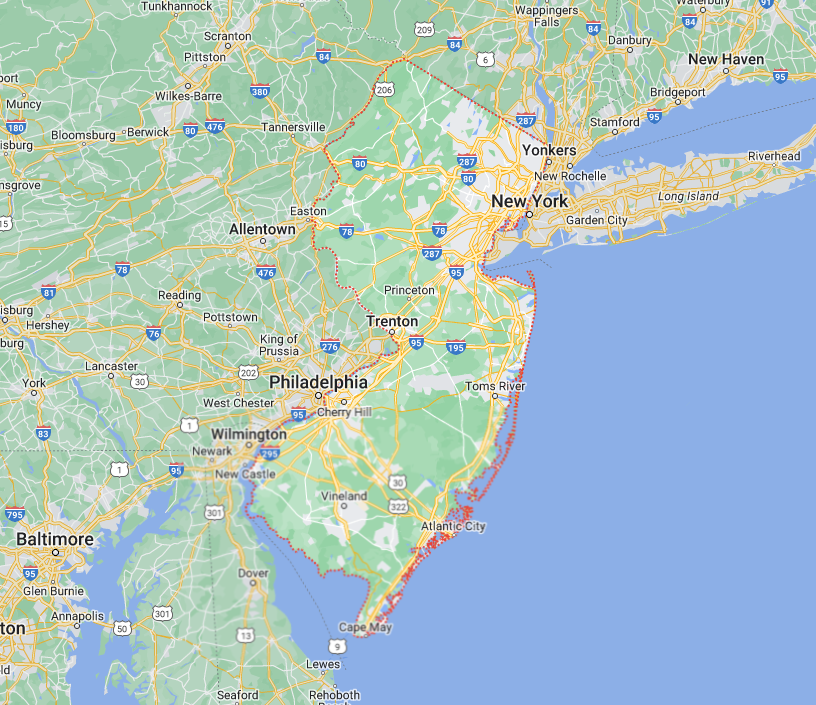
New Jersey
Statewide Coverage- Monmouth & Ocean County
- Bergen & Essex County
- Middlesex & Mercer County
- Atlantic & Cape May County
- Morris & Somerset County
FAQ
Dealership flooring questions, answered straight
What finish is best for the showroom?
For showrooms we use metallic epoxy or polished concrete. Both give a deep, high-gloss, light-reflective surface that makes the vehicles and the room read premium, and both hold up to vehicles parked for weeks and steady foot traffic.
Why does our service-bay floor keep peeling?
That is almost always hot-tire pickup. Tires come off the road hot, the soft rubber bonds to a thin or under-cured coating, and the finish lifts when the car pulls out. We finish bays with a hard polyaspartic or polyurea topcoat over a high-solids base, which stays bonded under the heat instead of letting go.
Will the bay floor handle oil and chemicals?
Yes. The non-porous coated surface is specified to resist motor oil, brake fluid, antifreeze, and the solvents and degreasers a shop uses, so spills stay on top to be wiped up rather than staining the slab.
Can you match our brand colors?
Yes. We offer a wide range of colors and decorative finishes, including metallic and flake, and can coordinate the showroom and customer areas with your brand look.
Is the service floor slip-safe when wet?
We broadcast anti-slip aggregate into wash, quick-lube, and service zones, targeting the ANSI A326.3 wet DCOF benchmark of 0.42, and tune the texture so the floor still cleans easily where oil and water collect.
How do you avoid shutting the dealership down?
We phase the work room by room around your sales and service hours, work nights where it makes sense, and use rapid-cure polyaspartic systems so a showroom or bay can return to use inside a day.
Get started
Let us spec a floor for the showroom and the shop
Free on-site assessment, honest per-room recommendations, and a precise quote. Phased around your sales and service hours so the doors stay open.
(877) 376-9965 · talk to an installerRated 5 stars by New Jersey homeowners & businesses
Powered by Google
 No Obligation