
Cannabis Facility & Grow Room Floor Coatings
Seamless, non-porous resinous floor systems for cannabis cultivation, drying, trim, extraction, and packaging across New Jersey and eastern Pennsylvania. Built for warm, humid grow rooms, aggressive sanitation chemistry, and the sealed, cleanable surface your compliance program depends on.
- Seamless resinous systems
- NJ + Eastern PA
- 20+ years installing
- Free on-site assessment
- Built to Sanitize
- Non-porous, sealed, non-shedding surfaces
- Seamless & Coved
- Integral cove base, no crack or crevice traps
- 20+ Years Experience
- Resinous & epoxy installs across NJ + PA
- Phased Around Harvest
- We work between cycles, room by room
The cannabis floor problem
Grow rooms hand a floor heat, water, and microbes all day
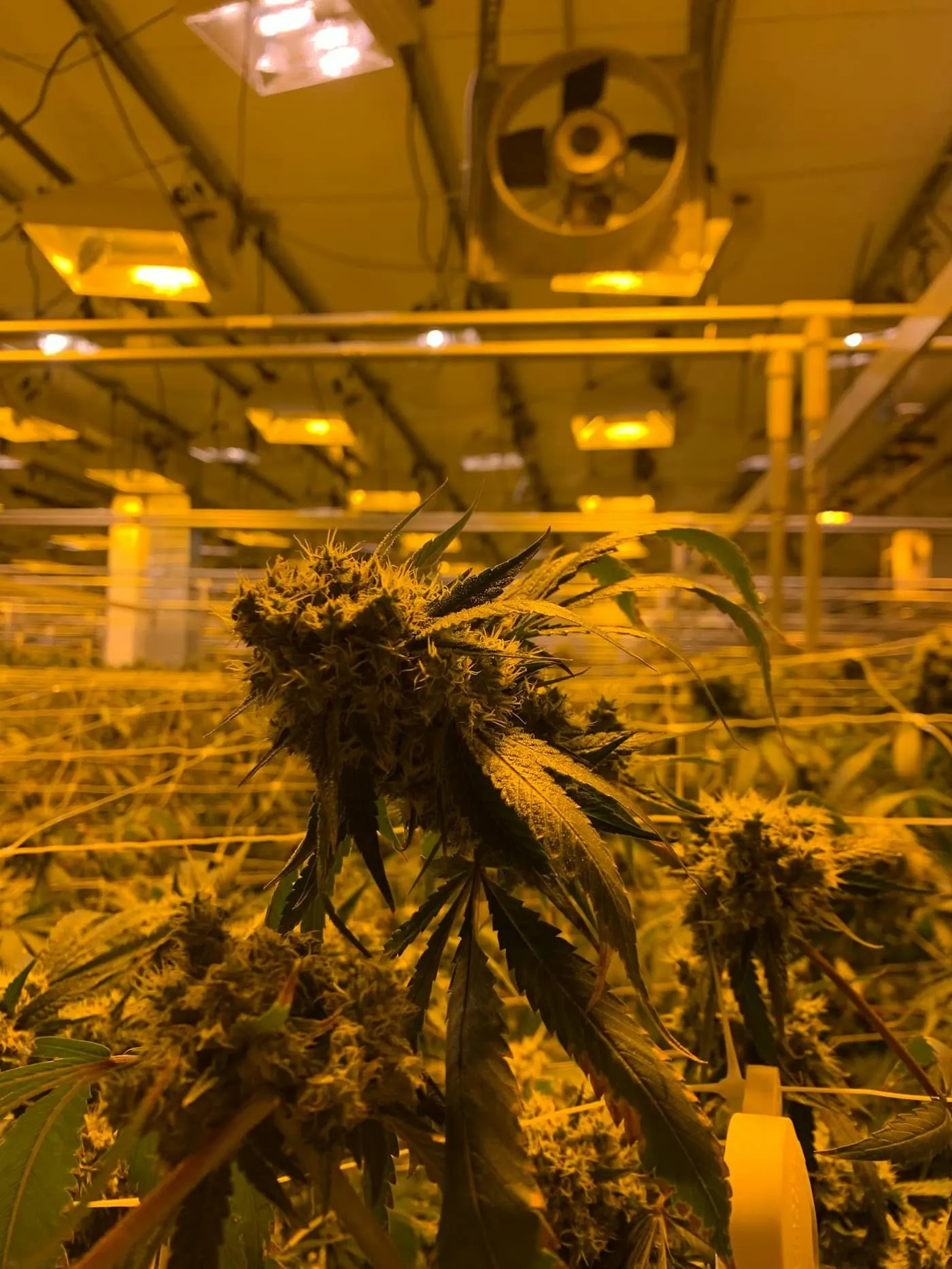
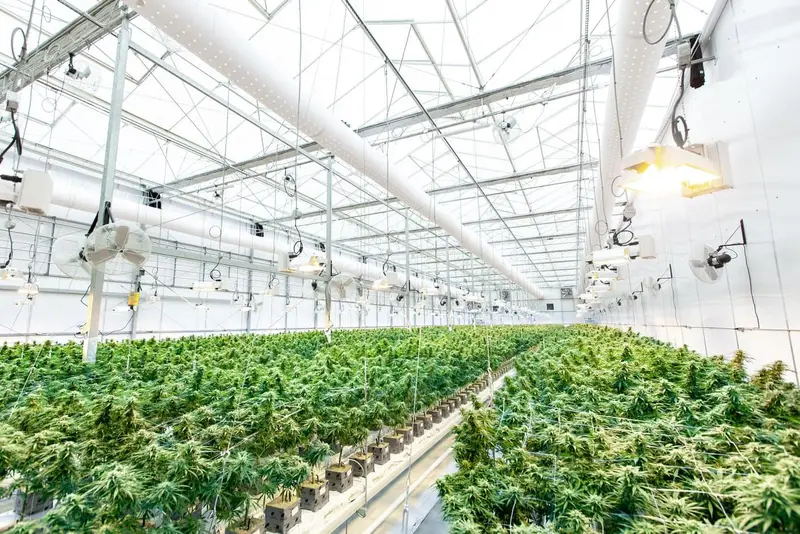
A cultivation floor sits under irrigation runoff, condensation, and standing water for much of the lighting cycle, in air kept warm and humid on purpose. Bare or painted concrete drinks that moisture in, and the organic load in it (nutrient solution, root matter, dissolved sugars) becomes food for the mold and bacteria a license is supposed to keep out of the product.
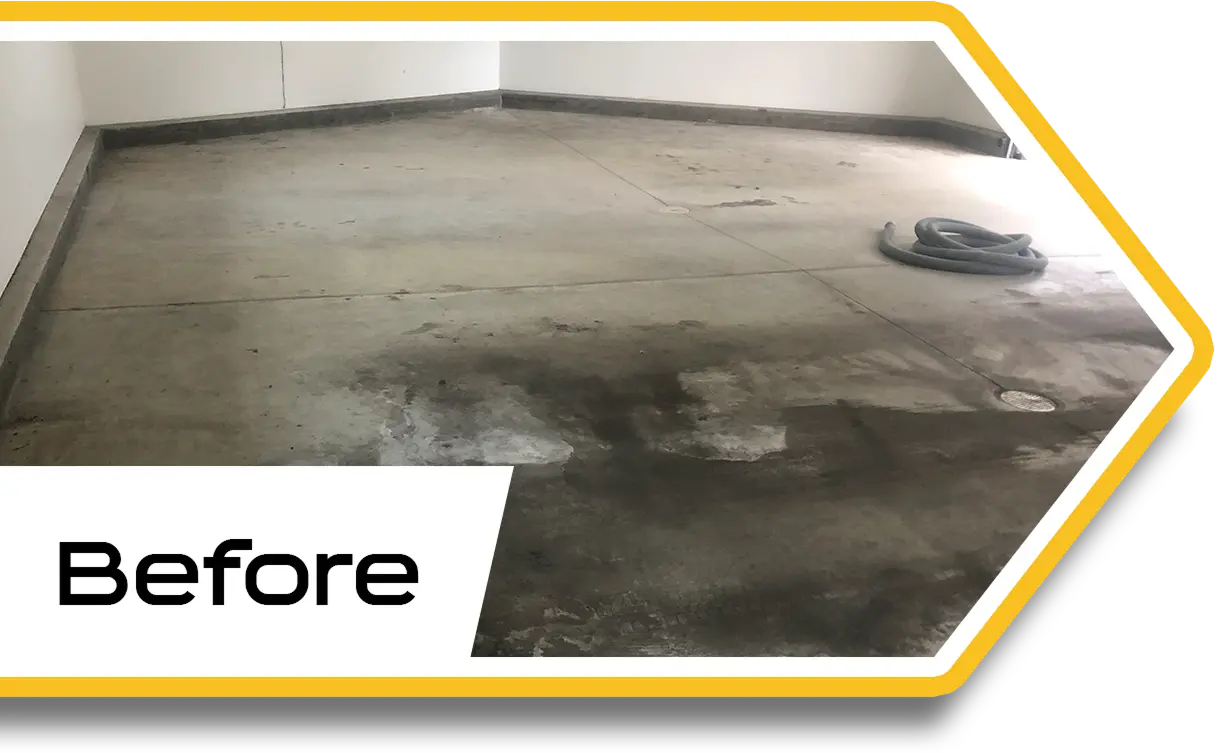
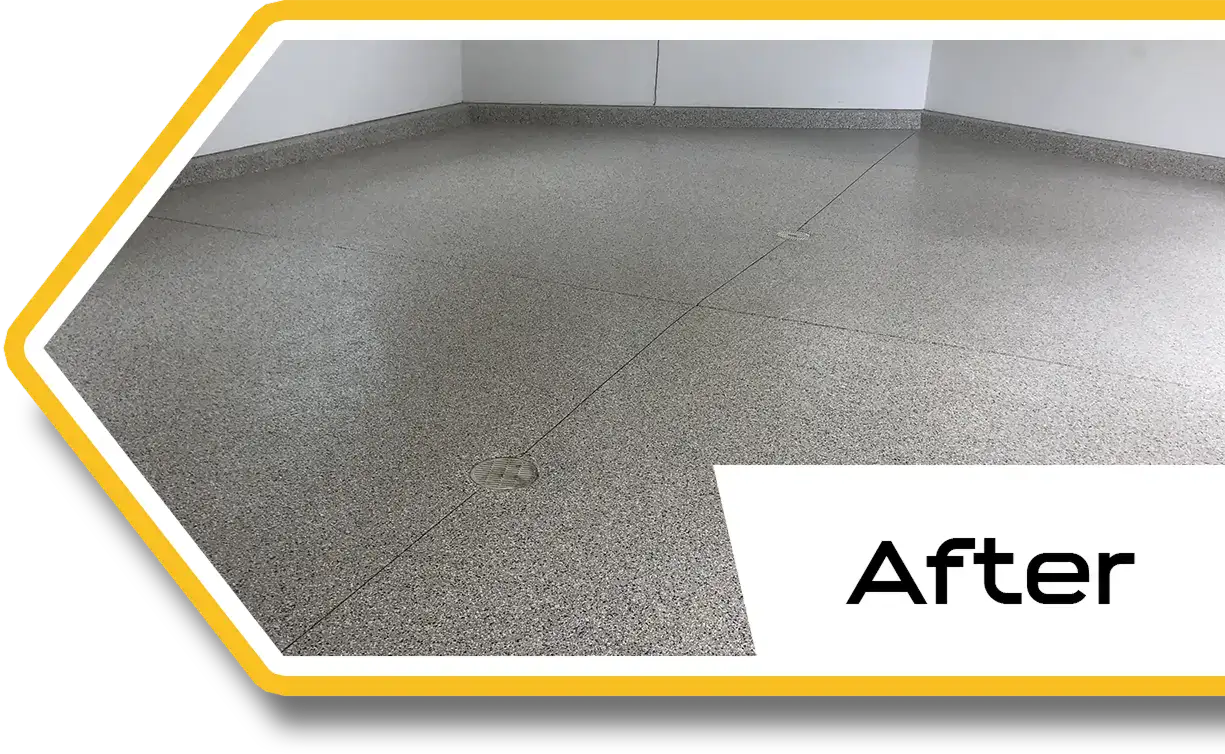
The corners make it worse. Every seam, control joint, and square floor-to-wall angle is a place water pools and debris collects, and those are the exact spots surface cleaning cannot reach. A floor that fights contamination instead of harboring it has to be one continuous, sealed, non-porous surface, coved up the wall and graded to drain.
Zone-by-zone
We spec each area of the building for the job it actually does
No single coating is right everywhere. Here is how we read a cultivation facility and match the chemistry to the punishment.
Material choice
Why thin-film paint fails fast under a grow canopy
Most grow-room floor failures trace back to two things: a slab that was never moisture-tested, and a coating too thin and too porous for sustained humidity. The slab has to be dry and sound before we coat, so where the water table runs high a moisture test is worth doing first, then we build a system thick enough to stay bonded under constant vapor pressure from below.
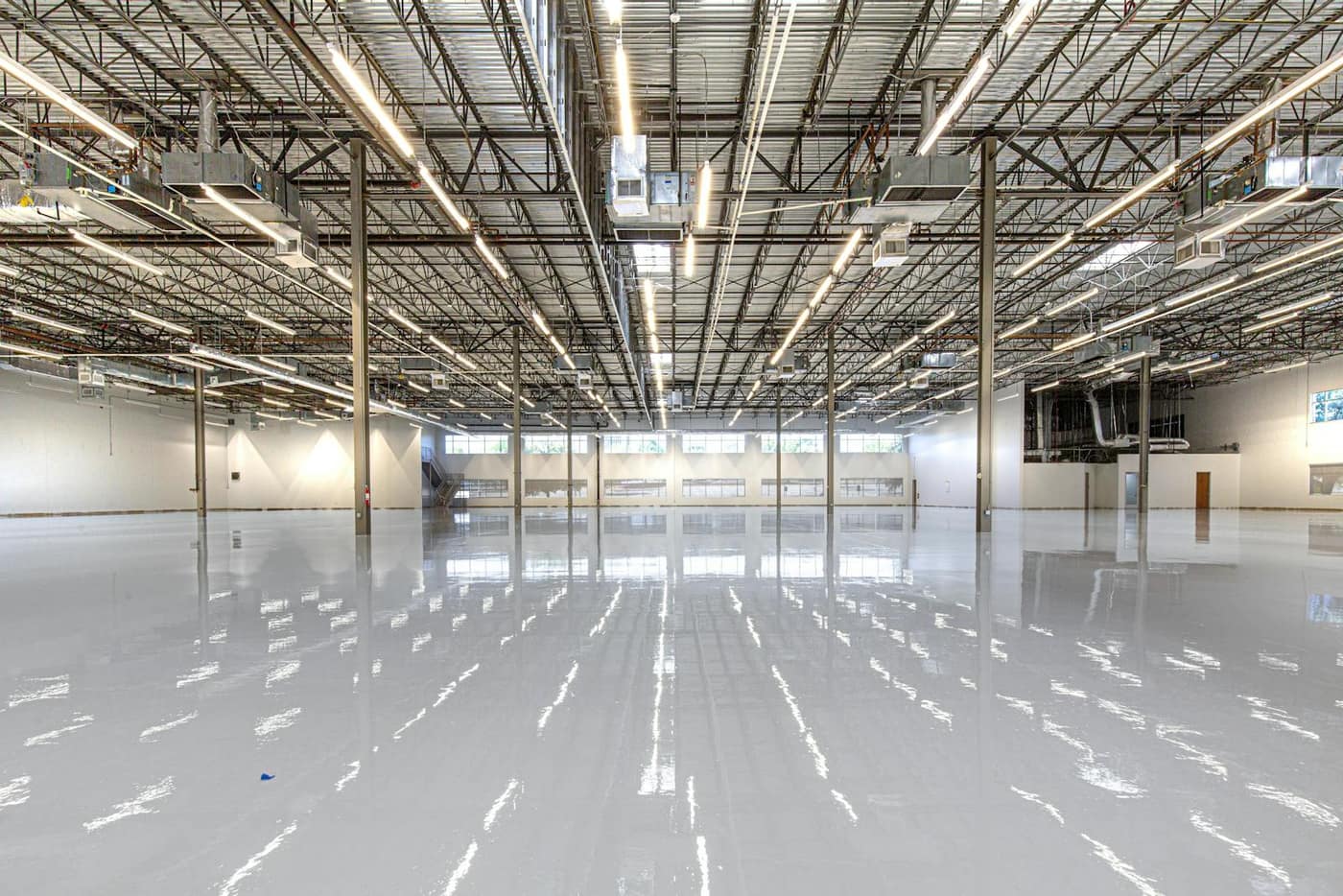
In cultivation and flower rooms the workhorse is a seamless resinous system carried up the wall as an integral cove, so the floor and wall meet in a sealed curve with no corner to trap water. Where solvents and disinfectants are heavier, in trim, extraction, and processing, we tune the resin chemistry to what your crew actually cleans and produces with, and broadcast aggregate into wet zones so the surface stays safe and still washes clean.
- Non-porous and sealed. A continuous resinous surface keeps irrigation water and condensation on top to be squeegeed or drained, not soaked into the slab where microbes grow. [Stonhard · Sika]
- Chemical resistance to nutrients, pH adjusters, extraction solvents, and the disinfectants used between cycles, matched to your facility. [Sherwin-Williams · Carboline]
- Slab dry and sound before any coating goes down, with a moisture test to recognized ASTM methods worth doing first, since vapor from below delaminates a coating from underneath. [ASTM F2170 · F1869]
- Seamless with integral coving and slope-to-drain, the hard, non-porous, crack-free surface Good Production Practice cleanability rules expect. [Health Canada GPP · cGMP]
How it works
From your first call to the final coat
We map the whole job before we touch the floor, then phase the work around your production.
- Free Quote(877) 376-9965No-cost on-site assessmentGet my quote
Call or Contact Us
Tell us about your facility and timeline.
- Walk-through
- Grow rooms
- Processing
- Packaging
Consultation
A free walk-through and a per-room floor spec.
- Slab PrepProfiledDry & sound
Preparation
Slab profiled and confirmed dry before coating.
- Sealed
Installation
Seamless system installed, phased around your cycles.
Standards & specifications
Built to the standards cannabis facilities are held to
We do not claim certifications we do not hold. We install systems that can be specified to meet the cleanability and sanitation requirements that matter to a licensed facility, and we name the standards behind them.
Hard, non-porous & cleanable
Good Production Practice for cannabis spells out that production-area floors be hard, non-porous, free of cracks and crevices, sealed, non-shedding, chemically resistant to disinfectants, and cleanable. A seamless resinous system delivers exactly that surface so the room can be sanitized to standard. [Health Canada GPP]
Slab moisture testing
The slab has to be dry before coating, and a moisture test to the recognized methods, in-situ relative-humidity probes (F2170) and/or anhydrous calcium-chloride MVER (F1869), is worth doing where the water table runs high or the room is below-grade. Grow-room humidity makes this non-negotiable. [ASTM F2170 / F1869]
Slip resistance (wet)
Aggregate broadcast into irrigation and wash zones, targeting the ANSI A326.3 wet DCOF benchmark of 0.42. We tune traction to each area and stay honest that no wet floor is ever fully slip-proof. [ANSI A326.3]
Drainage & coving
Floors graded toward drains at roughly a 1-2% slope so irrigation water sheds, with an integral cove base that turns the floor-to-wall joint into a sealed curve with nowhere for water and debris to collect. [Stonhard · Sika detail]
Food-contact & sanitary options
For edibles kitchens and infused-product areas, we can specify products that carry third-party food-safety credentials such as NSF/ANSI 52 listing where the operation requires it. [NSF/ANSI 52]
We install products that carry food-safety credentials and specify systems that can be built to meet GPP, GMP, NSF, and FDA cleanability requirements. We do not market Jersey Epoxy as certified, because those credentials are issued to products and facilities, and we recommend confirming the exact specification with your compliance team for your license type.
Benefits
A properly specified cannabis floor protects your product and your license
Stops Moisture Intrusion
A non-porous surface keeps irrigation water and condensation on top, where it can be squeegeed, drained, and dried, protecting both the slab and the room’s microbial control.
Seamless & Sanitizable
No grout lines or panel joints, plus an integral cove base, so the floor turns up the wall in a sealed curve with no square corner for organic matter to collect.
Chemical Resistance
Resinous systems shrug off fertilizers, nutrient concentrates, pH adjusters, extraction solvents, and the disinfectants used between cycles, tuned to what your facility actually uses.
Slip Resistance in Wet Zones
We broadcast anti-slip aggregate into irrigation and wash areas to build traction, while keeping smoother, easier-to-clean finishes in dry processing and packaging.
Graded to Drain
We slope the floor and detail the drains so standing water sheds instead of sitting under the canopy, which is half the battle in humidity control.
Specified Per Room
Grow, drying, trim, extraction, and packaging each get the right build, so you are not overbuilding the whole facility to one compromise standard.
Recommended systems
The systems we reach for in a cannabis facility
Curated for cultivation and processing. Explore the chemistry behind each.
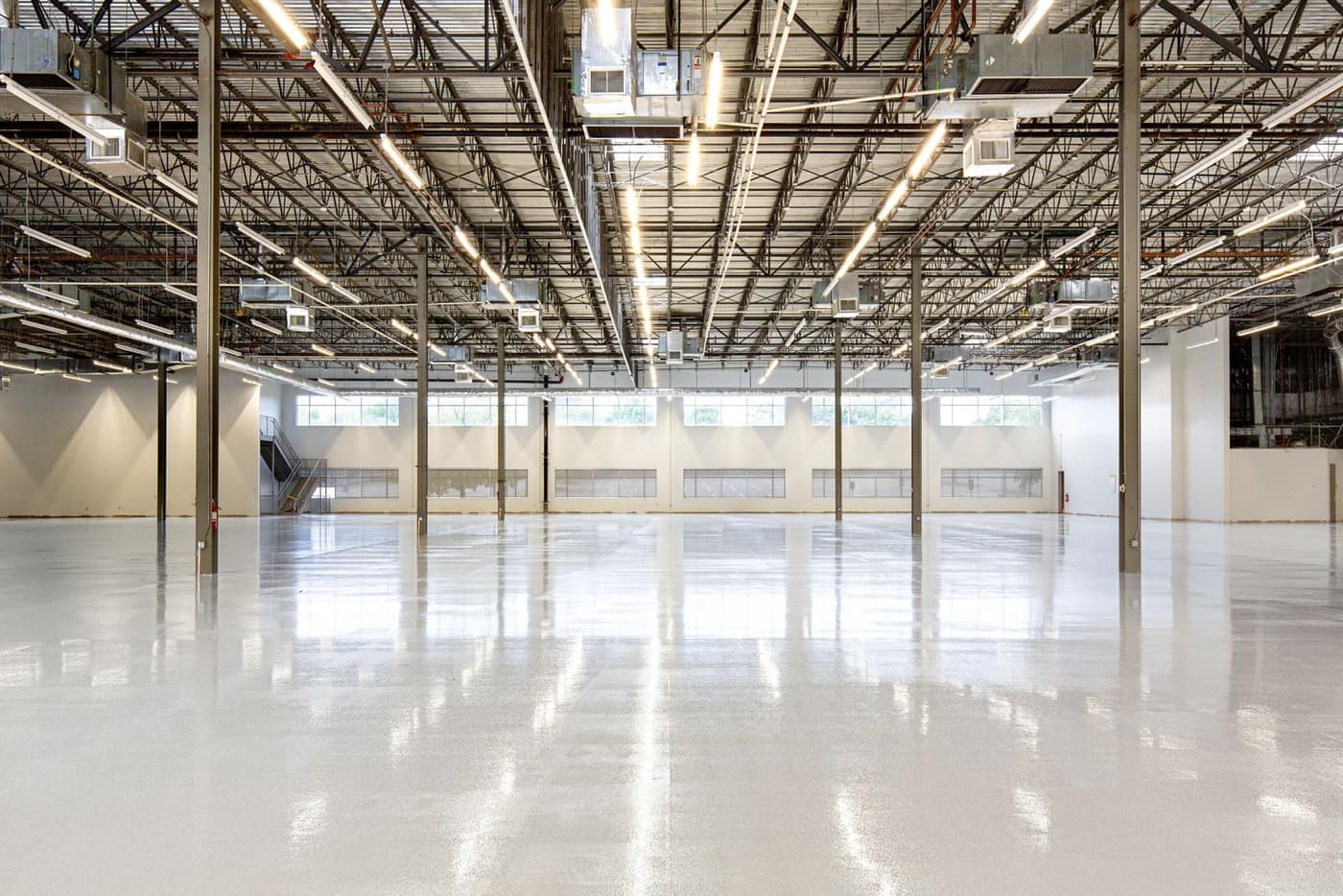
Resinous Flooring
Seamless, non-porous, and chemical-resistant: the default system for grow, flower, trim, and extraction rooms.
Explore system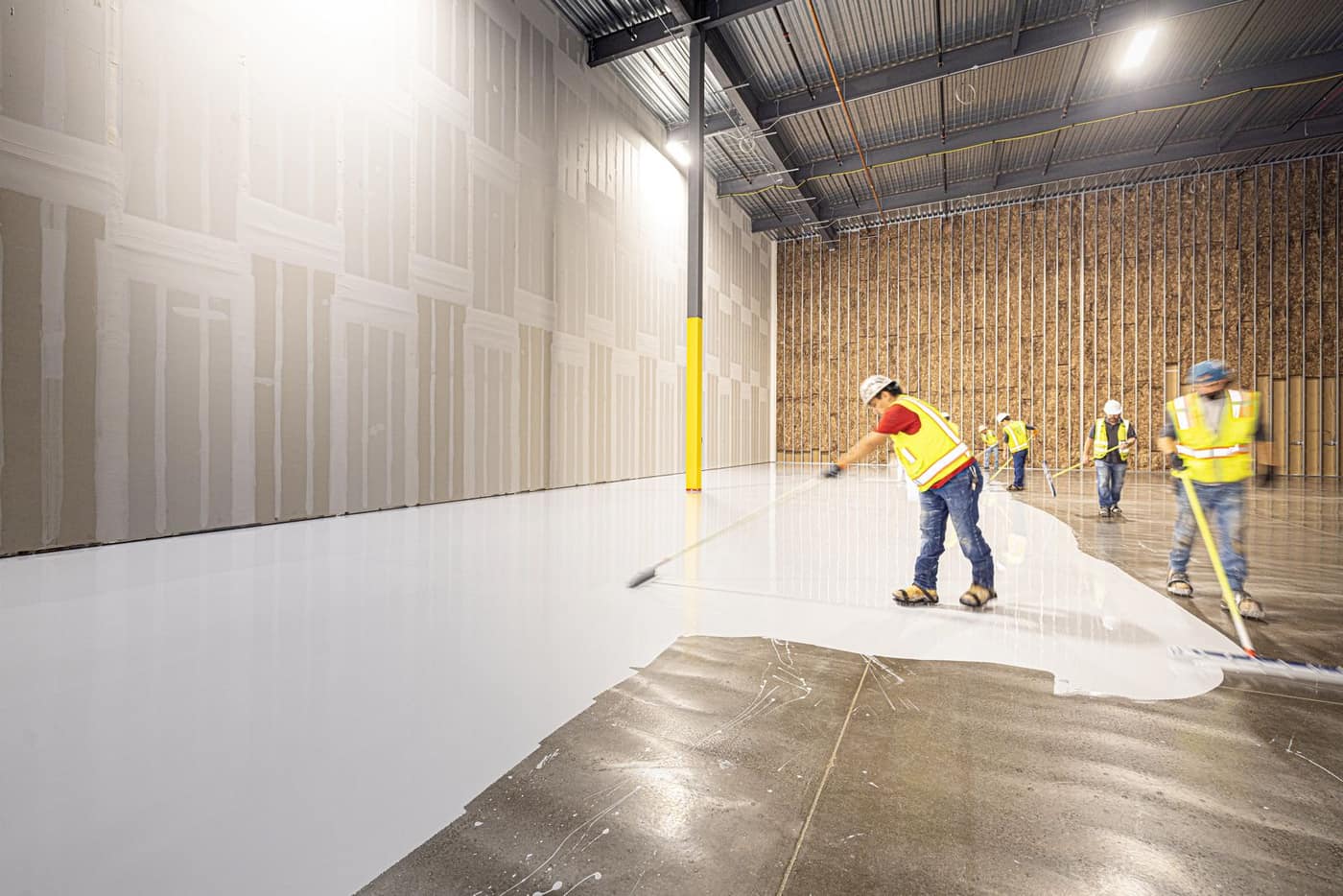
Epoxy Flooring
A hard, cleanable, high-build base for drying rooms, packaging, and storage that take steady traffic.
Explore system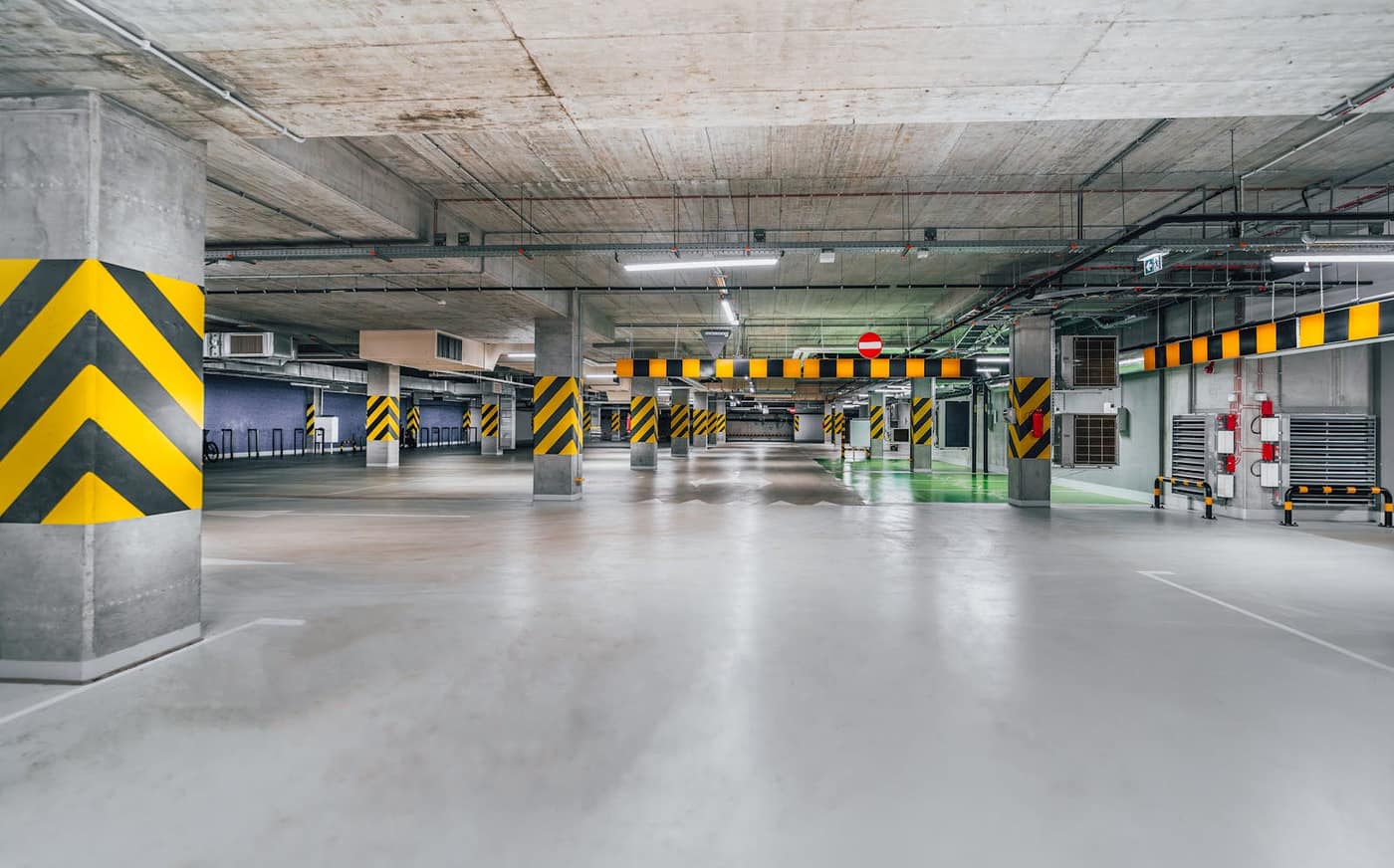
Flake Epoxy
Decorative, durable, and slip-tunable: a dispensary and packaging finish that still cleans up and handles carts.
Explore systemProudly Serving New Jersey & Eastern PA
Our crews are on the road daily. Select your region to see our coverage.
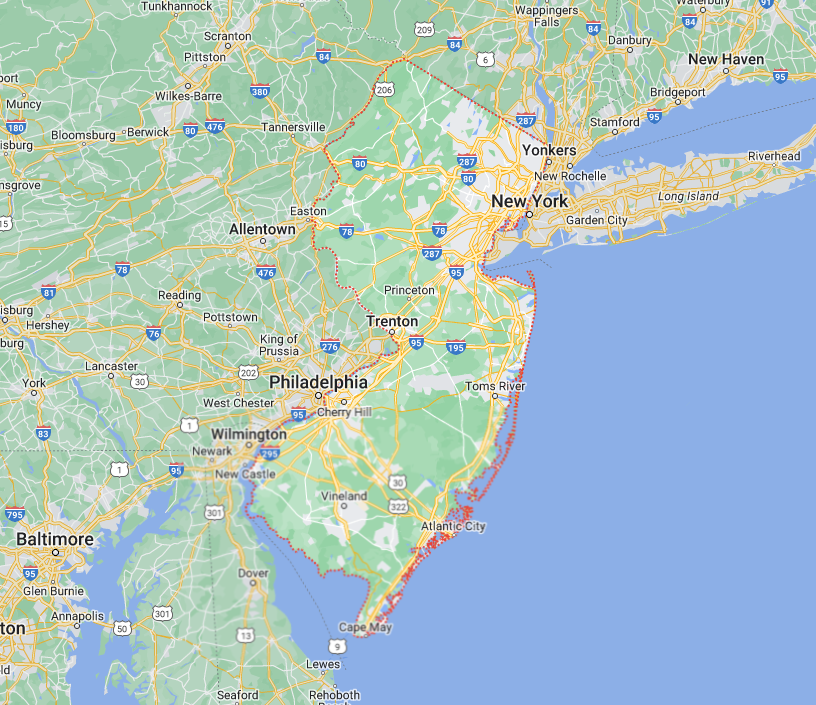
New Jersey
Statewide Coverage- Monmouth & Ocean County
- Bergen & Essex County
- Middlesex & Mercer County
- Atlantic & Cape May County
- Morris & Somerset County
FAQ
Cannabis facility flooring questions, answered straight
Why not just seal or paint the concrete?
Paints and basic sealers are porous and wear through fast under wet, high-traffic cultivation, and they crack at floor-to-wall corners where contamination collects. A seamless resinous system with a coved base creates one continuous, non-porous surface you can actually sanitize, and it stands up to the chemistry you clean with.
Can the floor handle grow-room humidity and constant water?
Yes. The systems we install are non-porous, so irrigation water and condensation stay on the surface to be squeegeed or drained instead of soaking into the slab. The slab has to be dry before we coat, and a moisture test to ASTM F2170 or F1869 is worth doing where the water table runs high so vapor from below does not undermine the floor later.
Is the floor resistant to nutrients and cleaning chemicals?
Resinous flooring is built for chemical resistance. We match the system to the specific fertilizers, nutrient concentrates, pH adjusters, extraction solvents, and disinfectants used in your facility so the surface holds up to your actual cleaning regimen.
Can you add coving where the floor meets the wall?
Yes, and we recommend it for cultivation and processing rooms. An integral cove base turns the square floor-to-wall joint into a sealed, curved transition with no seam for water or debris to collect in, which is central to keeping the room cleanable.
Will the floor be slippery when wet?
It does not have to be. We broadcast anti-slip aggregate into irrigation and wash zones, targeting the ANSI A326.3 wet DCOF benchmark of 0.42, while keeping smoother, easier-to-clean finishes in dry trim, processing, and packaging areas.
Do these systems meet cannabis facility regulations?
Cannabis floor requirements vary by state and license type, and most call for hard, non-porous, sealed, non-shedding, cleanable floors. We install systems that can be specified to meet those Good Production Practice and GMP-style cleanability requirements; we recommend confirming the exact specification with your compliance team.
Get started
Let’s spec a floor your compliance team can sign off on
Free on-site assessment, honest per-room recommendations, and a precise quote. Phased around your grow and harvest cycles so the rest of the facility keeps running.
(877) 376-9965 · talk to an installerRated 5 stars by New Jersey homeowners & businesses
Powered by Google
 No Obligation