
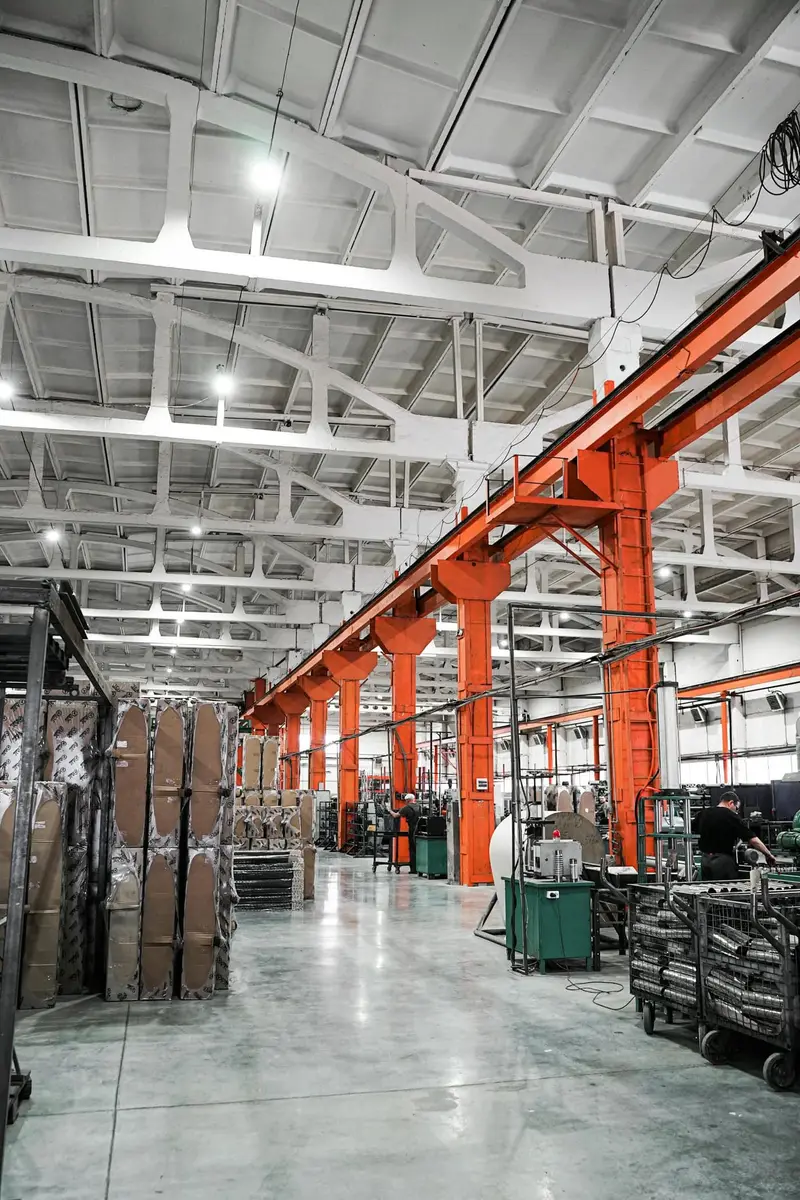
Manufacturing & Industrial Floor Coatings
High-build epoxy and resinous floor systems for manufacturing plants and production facilities across New Jersey and eastern Pennsylvania. Sized to your machine loads, forklift traffic, and process chemistry, and phased zone by zone so the line keeps running.
- Heavy-load epoxy & resinous systems
- NJ + Eastern PA
- 20+ years installing
- Free on-site assessment
- Heavy-Load Rated
- Built up for machine point-loads & forklift lanes
- Dust-Free & Sealed
- Stops slab dusting onto product & equipment
- 20+ Years Experience
- Industrial epoxy & resinous installs
- Phased Around Production
- We section the plant so the line keeps moving
The plant floor problem
Most plant-floor failures are spec failures, not material failures
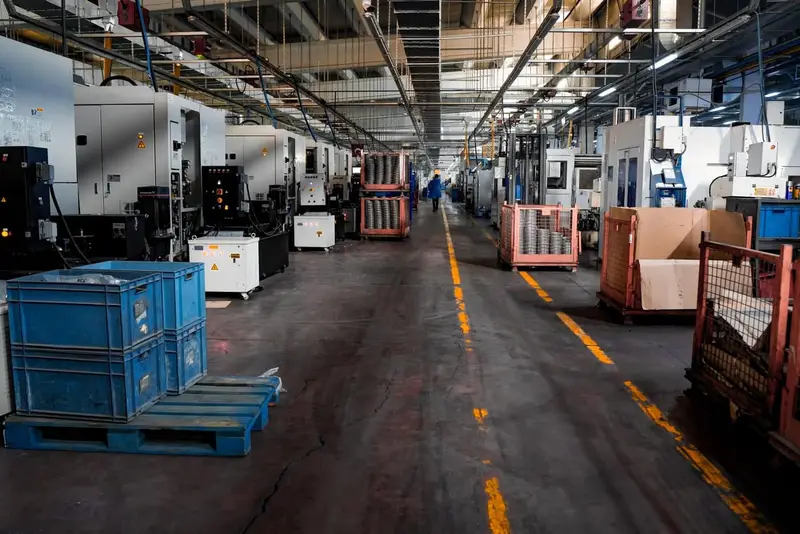
A production floor carries machinery, forklifts, and process traffic while taking abrasion, impact, and chemical exposure every shift. The damage rarely starts where people expect. It starts under machine feet and loaded wheels, where a coating that was built too thin for the point loads chips out in the busiest lanes first.
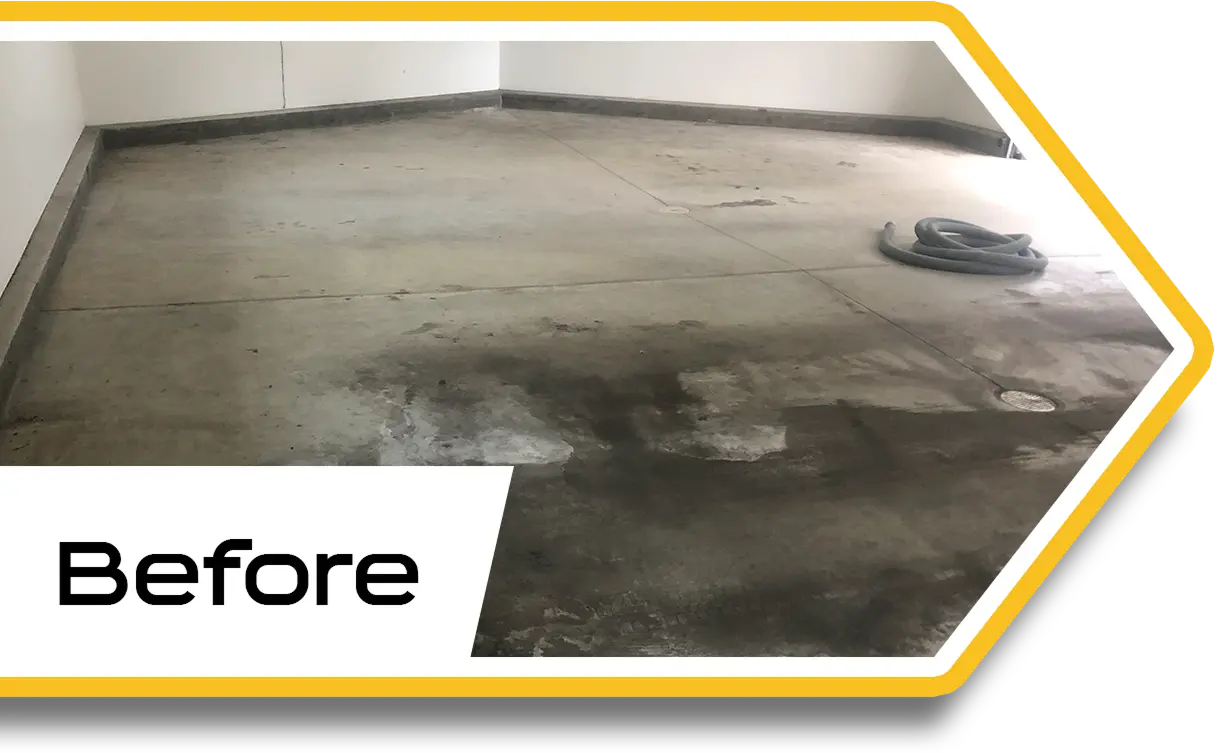
The second failure mode comes from below. A system installed over a slab that was never moisture-tested can blister and delaminate as vapor drives up through the concrete. Bare slabs add a quieter problem on top of both: they dust continuously, shedding fine grit onto product and into the moving parts of equipment. The fix is to size the build to the real loads and make sure the slab is dry and sound before anything goes down.
Zone-by-zone
We spec each area of the building for the job it actually does
No single coating is right everywhere. Here is how we read a production floor and match the chemistry to the punishment.
Material choice
Why thin coatings and floor paint fail in a plant
Floor paint and a single thin coat were never built for machine vibration, point-loads, and forklift abrasion. They wear through at the contact points within months and leave the slab exposed again. The durable answer is a high-build system with real film thickness, matched to how each area actually works.
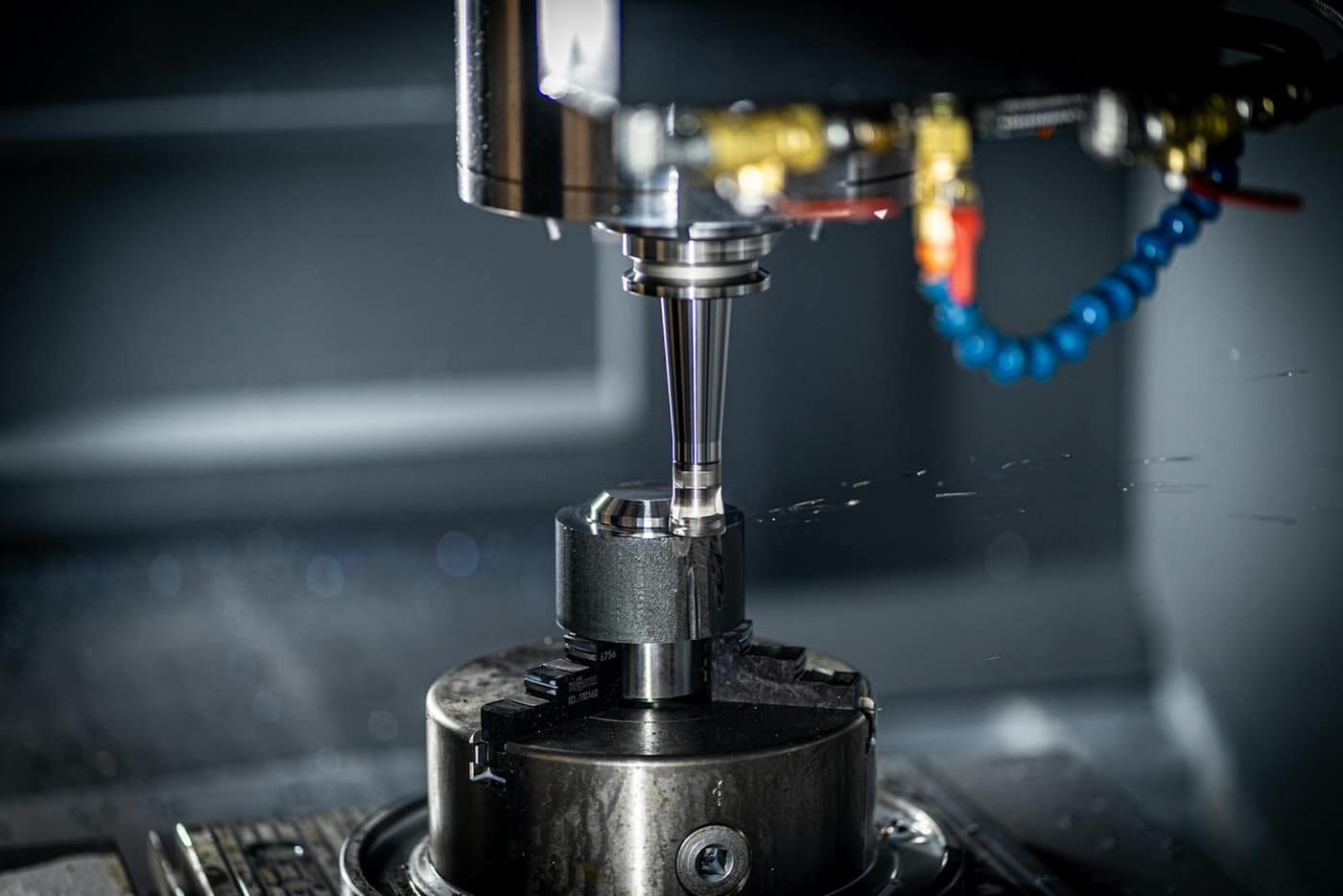
We profile and check that the slab is dry and sound first, then specify by zone. Where the water table runs high or a lot is low, below-grade, or flood-prone, a moisture test is worth doing and we’ll recommend one. Machining and production areas get a hard, high-build epoxy that takes impact and resists oils and coolants. Forklift aisles get a seamless resinous build that absorbs hard-wheel abrasion without breaking down. Where static is a risk, we scope a qualified static-control system to the room rather than coating the whole plant to that spec.
- Built for heavy loads. High-build epoxy and resinous systems are engineered for industrial point-loads and abrasion, with film thickness stepped up in the heaviest lanes. [Sherwin-Williams · Sika]
- Chemical resistance to the oils, coolants, and process chemicals a plant handles, keeping spills on top of a non-porous surface instead of soaking in. [Manufacturer system data]
- Slab dry and sound before any coating goes down, with a moisture test worth doing where the water table runs high, because vapor drive is the most common cause of early industrial-coating failure. [ASTM F2170 · F1869]
- Static-control where it matters. ESD systems can be specified and qualified to keep floor resistance to ground below 1.0 x 10⁹ ohms in sensitive zones. [ANSI/ESD S20.20]
How it works
From your first call to the final coat
We map the whole job before we touch the floor, then phase the work around your production.
- Free Quote(877) 376-9965No-cost on-site assessmentGet my quote
Call or Contact Us
Tell us about your plant and timeline.
- Walk-through
- Machining bay
- Forklift aisles
- Warehousing
Consultation
A free walk-through and a per-zone floor spec.
- Slab PrepProfiledDry & sound
Preparation
Slab profiled and confirmed dry and sound before coating.
- Sealed
Installation
High-build system installed, phased around production.
Standards & specifications
Built to the standards a plant gets held to
We don’t claim certifications we don’t hold. We install systems that can be specified to meet the requirements that matter on a production floor, and we name the standards behind them.
Slab moisture testing
Where the water table runs high or a lot is low, below-grade, or flood-prone, a moisture test is worth doing, with in-situ relative-humidity probes (F2170) and/or anhydrous calcium-chloride MVER (F1869) the recognized methods, so a system isn’t laid over a slab that will push it back off. [ASTM F2170 / F1869]
Static-control (ESD) flooring
For electronics and sensitive-process zones, we can specify static-control systems qualified against ANSI/ESD S20.20, targeting floor resistance to ground below 1.0 x 10⁹ ohms (tested per ANSI/ESD STM7.1) and scoped to the area’s grounding plan. [ANSI/ESD S20.20]
Walking-working surfaces
A seamless, drainable, easy-clean floor supports the clean, dry, hazard-free walking-working surface OSHA general-industry rules require, removing the cracks and ponding that create trip and slip hazards on a plant floor. [OSHA 29 CFR 1910.22]
Slip resistance (wet)
Aggregate broadcast into wet and processing zones. Water-wet walkways are held to the ANSI A326.3 wet DCOF benchmark of 0.42, and the texture is stepped up in oil- and coolant-prone areas, which fall under the standard’s separate oils/greases category. We stay honest that no wet floor is ever fully slip-proof. [ANSI A326.3]
Chemical resistance
Systems matched to the oils, coolants, solvents, and process chemicals your plant actually handles, using published manufacturer chemical-resistance data rather than a one-size coating. [Manufacturer system data]
Food & clean-process options
Where a line touches food, beverage, or clean-process work, we can specify products that carry third-party credentials such as NSF/ANSI 52 listing, integrated with seamless coving where hygiene rules apply. [NSF/ANSI 52]
Striping-ready surface
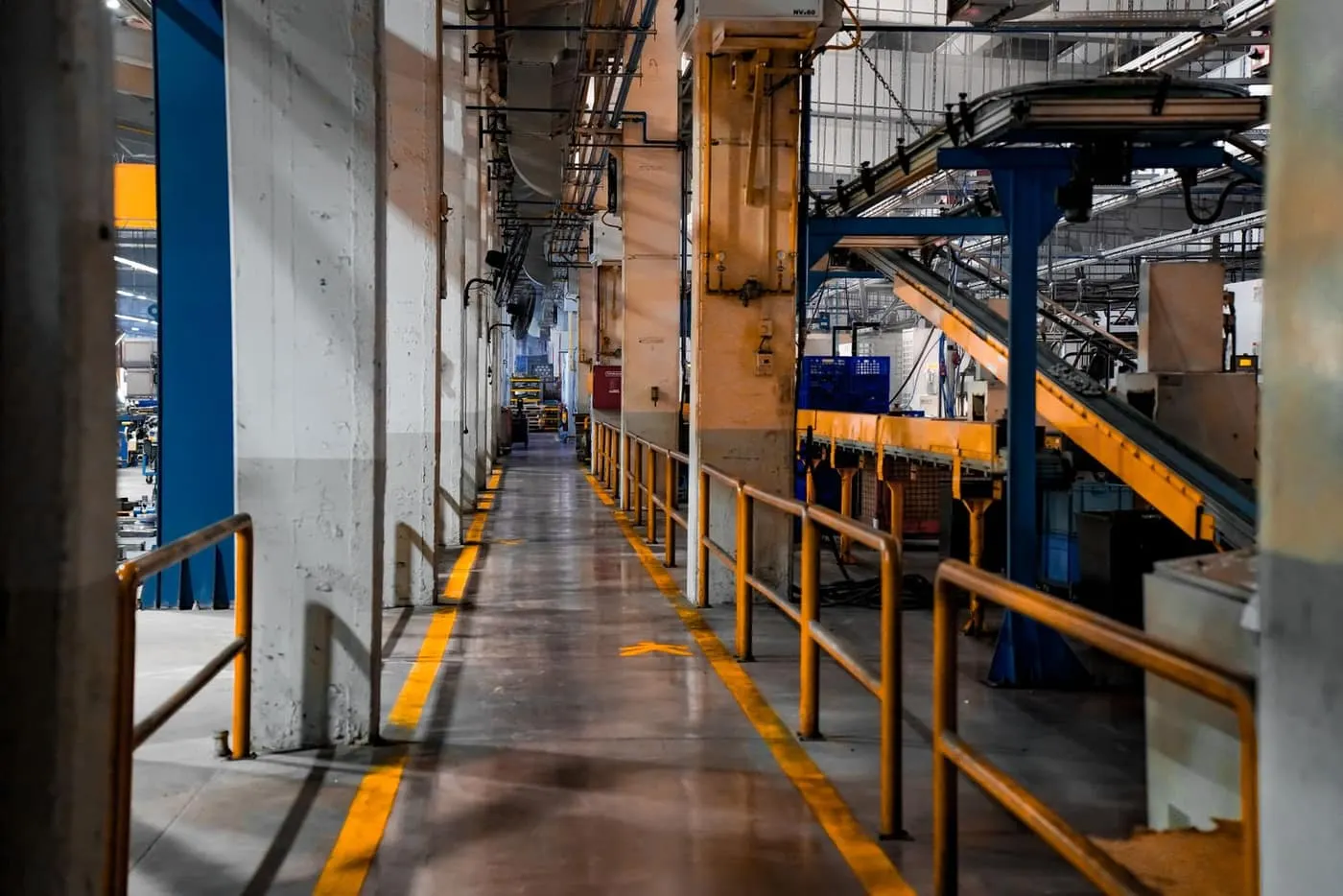
A hard, sealed topcoat that is ready to take OSHA safety-color aisle and hazard striping and hold it without lifting, so the lines a facility lays down last instead of wearing off bare concrete. [OSHA 29 CFR 1910.144]
We install products that carry these credentials and specify systems that can be qualified to meet ESD, OSHA, and food-safety requirements. We don’t market Jersey Epoxy as certified, because ESD qualification, NSF, USDA, and FDA credentials are issued to systems, products, and facilities.
Benefits
A properly specified plant floor protects your slab, your equipment, and your crew
Heavy-Load Durability
High-build epoxy and resinous systems are engineered for machinery, forklifts, and point-loads, with thickness stepped up in the heaviest lanes so the floor wears slowly and predictably.
Chemical & Coolant Resistance
The non-porous surface resists oils, coolants, and process chemicals, holding spills on top to be wiped up rather than letting them soak in and degrade the concrete underneath.
Dust-Free Surface
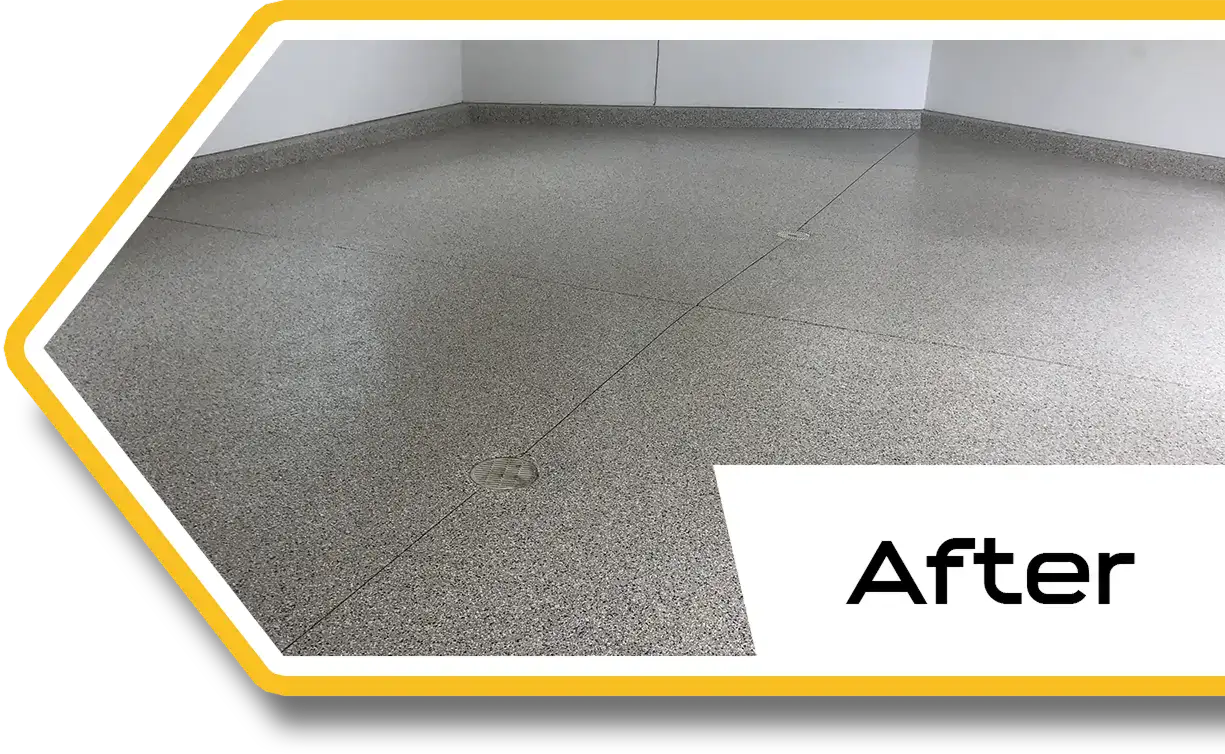
Sealing the slab shuts off the fine concrete dust a bare floor sheds onto product and into equipment, keeping housekeeping and air-quality audits in check.
Static Control Where Needed
For electronics and sensitive-process areas we scope qualified ESD systems to the specific zone and its grounding, instead of coating the whole plant to a spec only one room needs.
Fast Return to Service
Rapid-cure systems and zone-by-zone phasing, including nights and weekends, bring areas back under machinery and traffic on a schedule so a floor job doesn’t stop the plant.
Striping-Ready Topcoat
A hard, sealed surface that takes OSHA safety-color aisle and hazard striping and holds it, so the lines a facility lays down do not wear off the way they do on bare concrete.
Recommended systems
The systems we reach for in a manufacturing plant
Curated for industrial production. Explore the chemistry behind each.
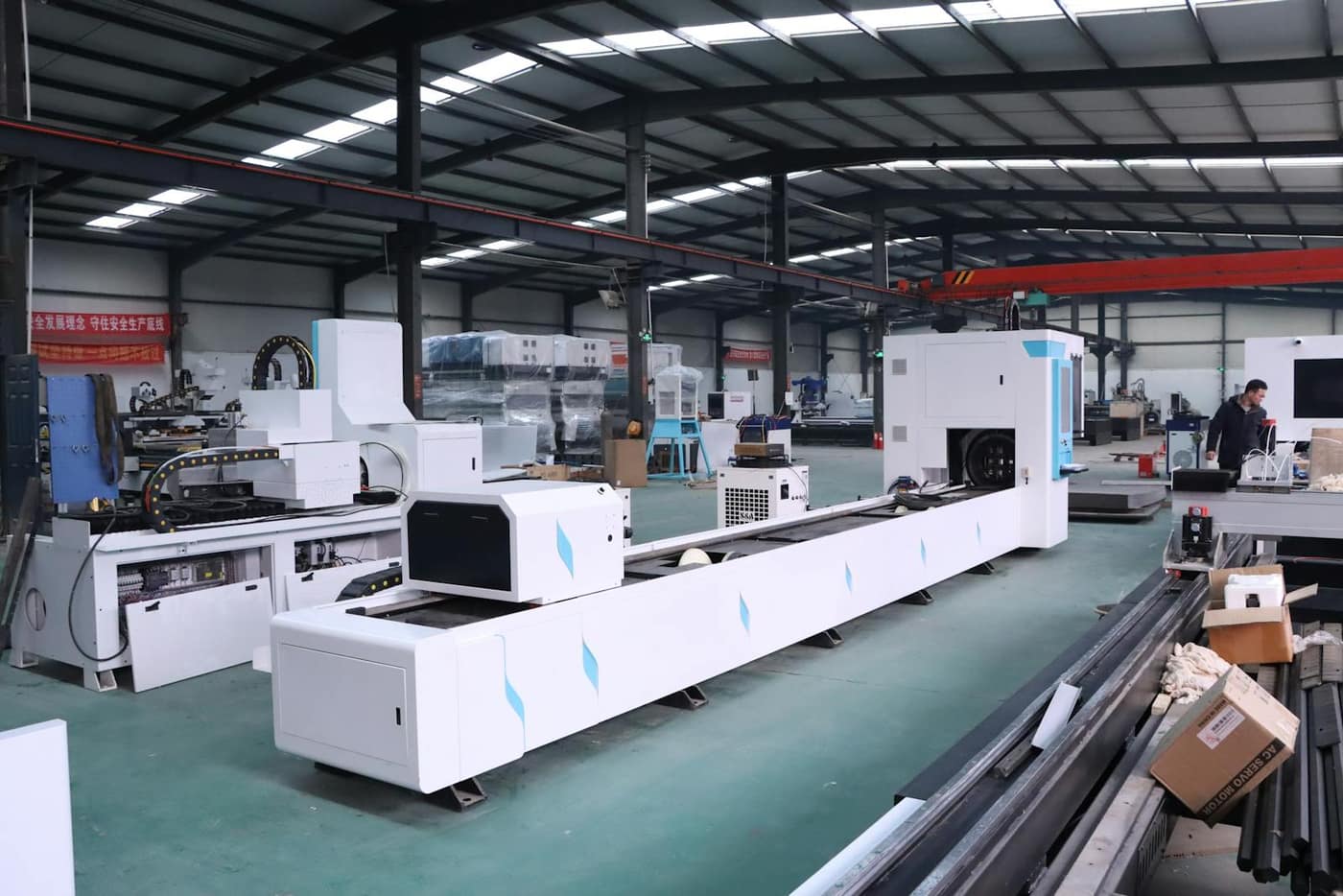
Epoxy Flooring
A hard, high-build wear layer for machining and production areas that take impact, point-loads, oils, and coolants.
Explore system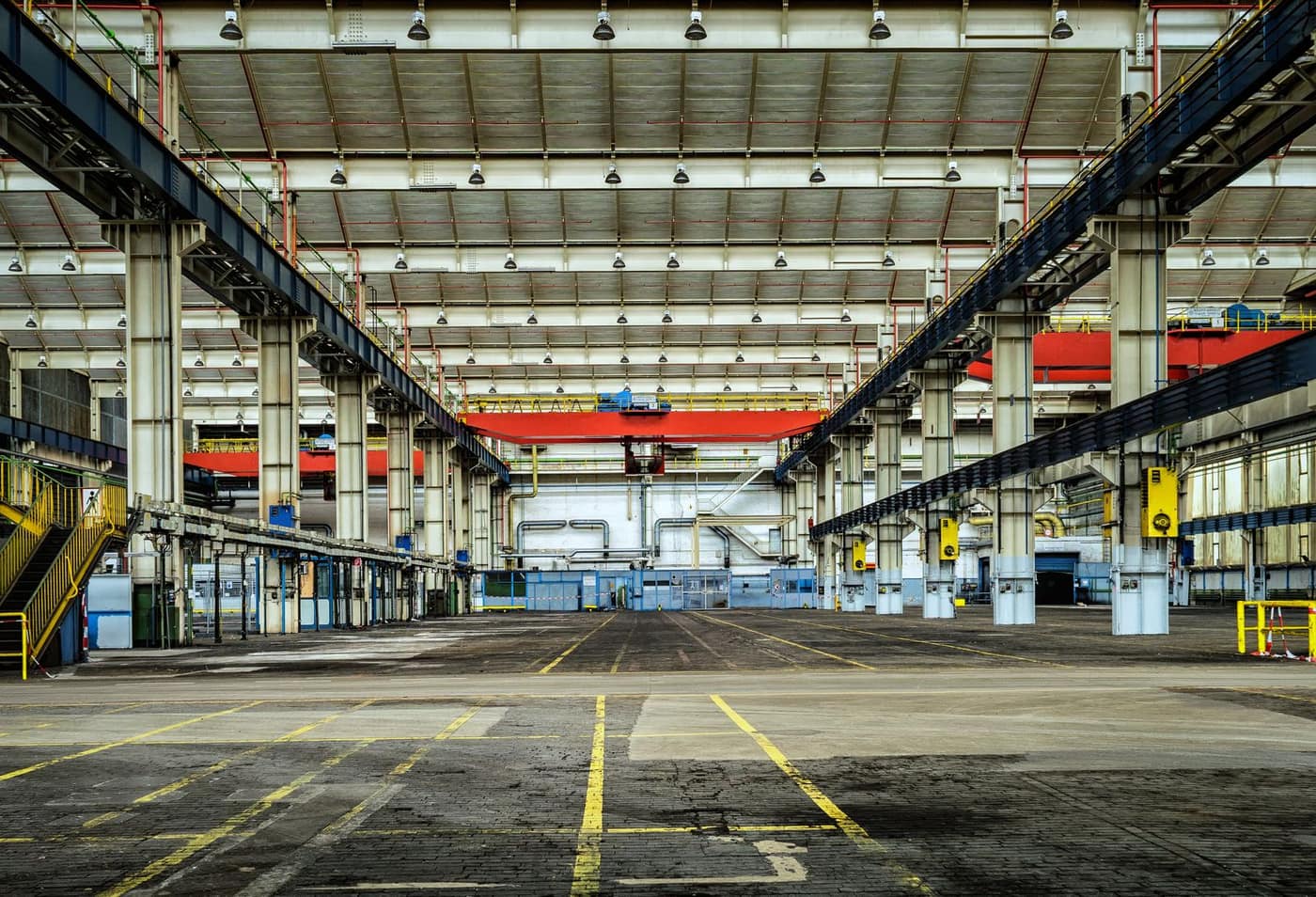
Resinous Flooring
Seamless and abrasion-tough: the backbone for forklift aisles and general production where hard wheels run all shift.
Explore system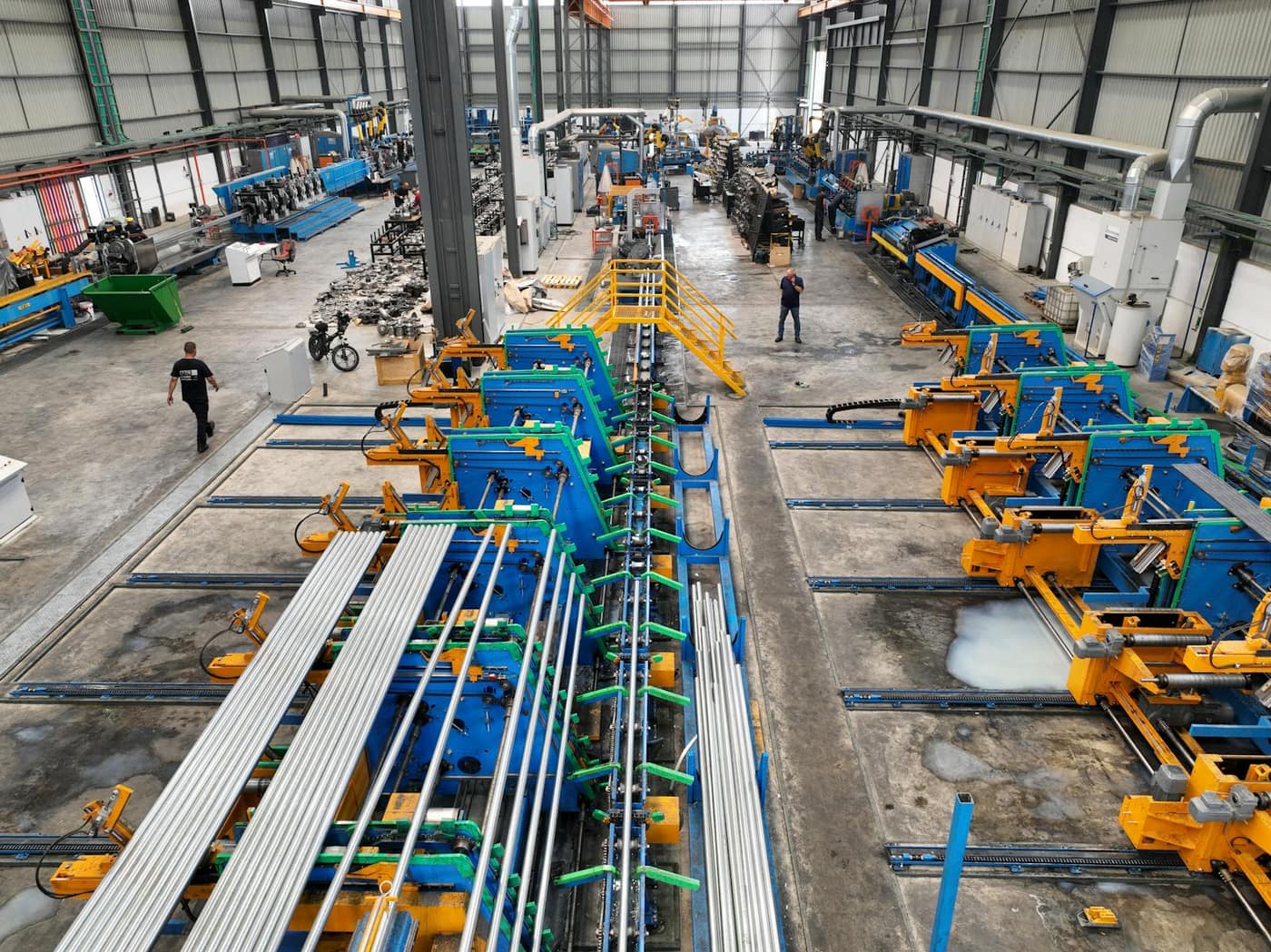
Polished Concrete
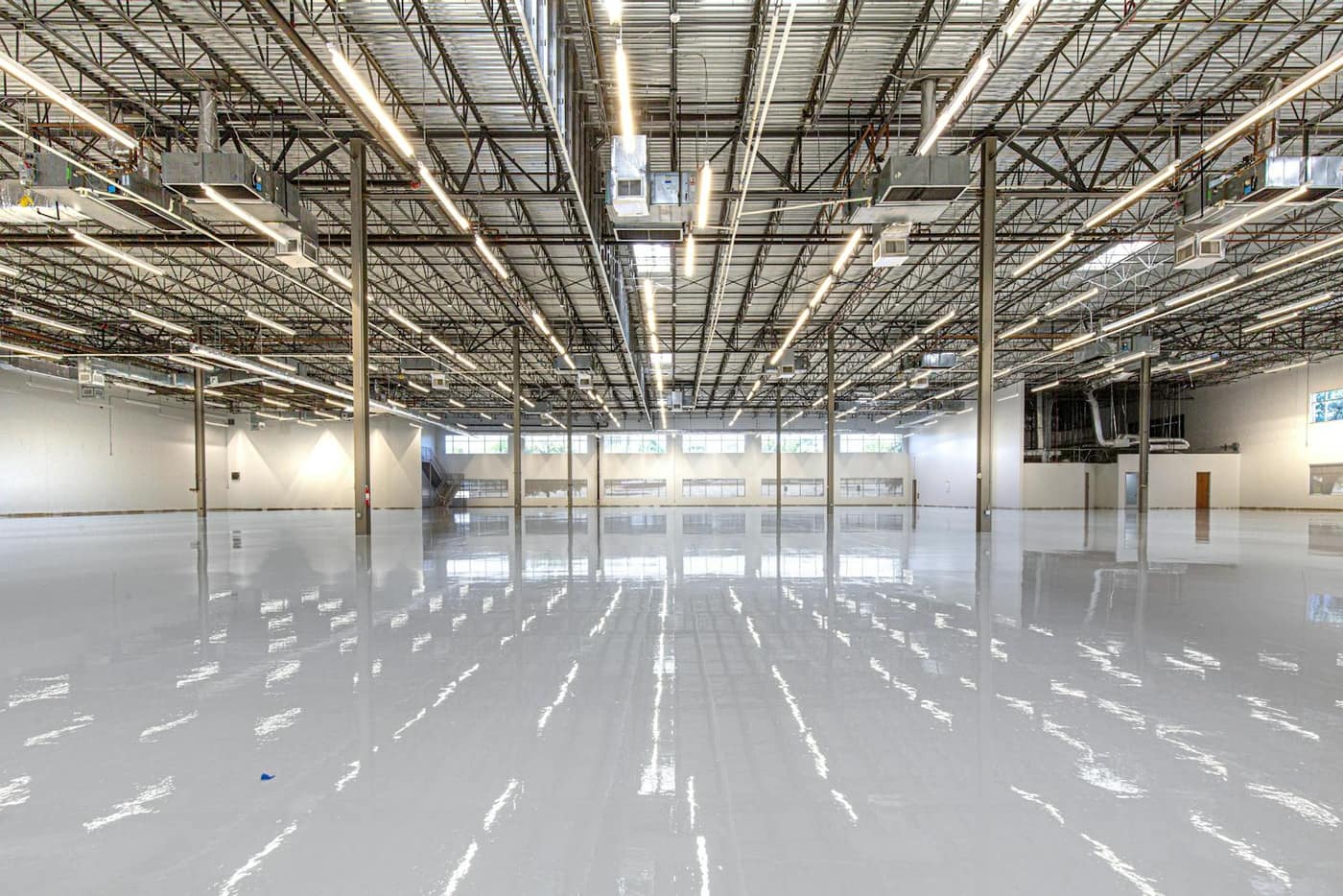
A hard, low-dust, light-reflective surface for large warehousing and staging zones that need durability on a budget.
Explore systemProudly Serving New Jersey & Eastern PA
Our crews are on the road daily. Select your region to see our coverage.
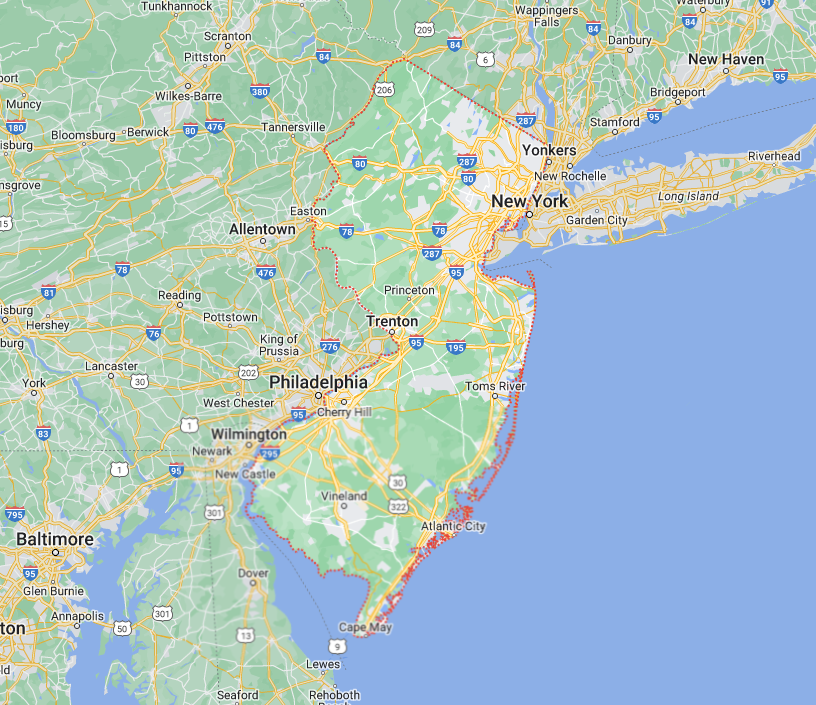
New Jersey
Statewide Coverage- Monmouth & Ocean County
- Bergen & Essex County
- Middlesex & Mercer County
- Atlantic & Cape May County
- Morris & Somerset County
FAQ
Manufacturing flooring questions, answered straight
Will the floor hold up to machinery and forklift traffic?
Yes, when the system is sized for it. We match coating thickness and wear layer to your loads and traffic using high-build epoxy and resinous systems engineered for industrial point-loads and abrasion, and we step the build up in the heaviest lanes where the floor takes the most punishment.
Is the floor resistant to oils, coolants, and process chemicals?
Yes. The non-porous coated surface resists the oils, coolants, and process chemicals common in manufacturing, holding spills on top to be wiped up instead of soaking in. We match the system to the chemicals your plant actually handles, using the manufacturer’s published chemical-resistance data.
Do you offer static-dissipative (ESD) flooring?
We can specify static-control systems for electronics and sensitive-process areas. ESD flooring is qualified as a system against ANSI/ESD S20.20, with the floor measuring below 1.0 x 10⁹ ohms resistance to ground, so we scope it to the specific zone and its grounding requirements rather than coating the whole plant to that spec.
Will it stop our concrete from dusting?
Yes. Sealing the slab with a resinous or epoxy system shuts off the fine dust bare concrete sheds, so the floor can be swept or auto-scrubbed clean instead of constantly regenerating grit onto product and into your equipment.
How do you keep production running during the install?
We phase the work, sectioning the plant so we coat one zone while the rest keeps operating, and we can run nights and weekends. Where a fast turnaround is critical, we use rapid-cure systems to bring a zone back into service sooner.
Our slab is old, cracked, and stained. Can it still be coated?
Usually, yes. We diamond-grind or shot-blast the surface to a sound profile, repair cracks and spalls, and make sure the slab is dry and sound before coating so we know it will hold a system before we start, recommending a moisture test where the water table runs high. After we see it in person, we tell you honestly what your slab needs.
Get started
Let’s spec a floor that survives your production line
We walk the plant for free, read the loads under your machines and down your forklift lanes, and put a per-zone spec and a precise quote in writing. The work is sectioned around your shifts, with nights and weekends on the table, so the line keeps running while we coat it.
(877) 376-9965 · talk to an installerRated 5 stars by New Jersey homeowners & businesses
Powered by Google
 No Obligation