


Commercial Floor Coatings That Earn Their Keep
Seamless epoxy and resinous floor systems for retail, showrooms, offices, and light industrial space across New Jersey and eastern Pennsylvania. Built to take daily foot and cart traffic, shrug off spills and grit, and keep looking sharp for customers, and installed around your business hours.
- Epoxy, resinous & polyaspartic systems
- NJ + Eastern PA
- 20+ years installing
- Free on-site assessment
- Built for Traffic
- Abrasion- & impact-rated coatings for daily wear
- Seamless & Easy to Clean
- Non-porous surface with no grout lines to scrub
- 20+ Years Experience
- Epoxy, resinous & polyaspartic installs
- Installed Around Your Hours
- Phased and off-hours work to limit downtime
The commercial floor problem
A business floor takes a kind of beating a slab was never finished for
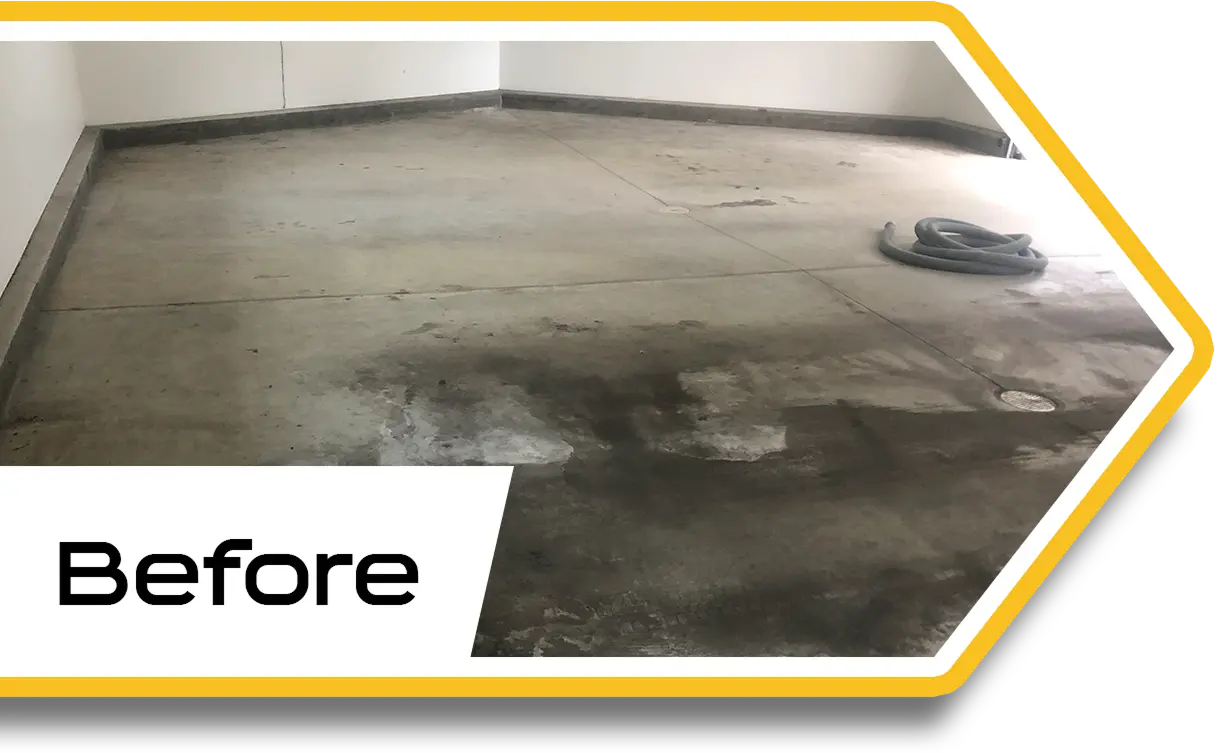
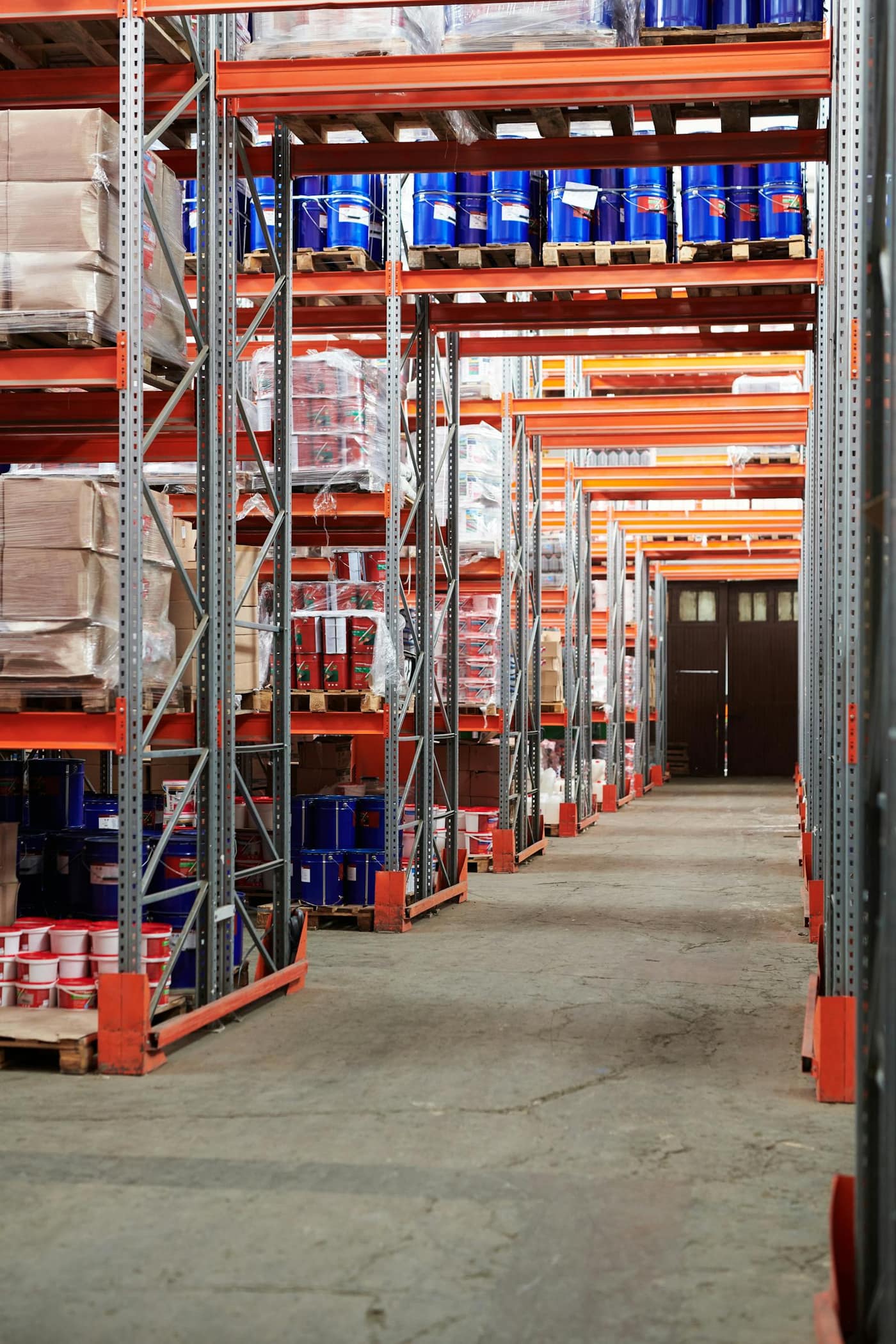
Bare or builder-grade concrete in a working business soaks up everything that hits it. Foot traffic and rolling carts grind tracked-in grit into the surface like sandpaper, spilled coffee and cleaning chemicals stain straight into the pores, and pallet jacks and dollies chip the edges. Add forklift wheels or hot tires in the back-of-house and the floor starts to dust, crack, and look tired fast.
The real cost is not just appearance. A porous, cracked, or slick floor is harder to clean, traps dirt and bacteria, and turns into a slip-and-fall liability the moment it gets wet. The fix is a bonded, seamless coating system specified for the traffic, chemicals, and look each area actually needs.
Zone-by-zone
We spec each area of the building for the job it actually does
No single coating is right everywhere. Here is how we read a commercial floor and match the chemistry to the punishment.
Material choice
Why a coating system outlasts paint or bare concrete
A commercial floor lives or dies on the prep. We diamond-grind the slab to an open profile and make sure it is dry and sound before anything goes down, because most peeling and bubbling traces back to a skipped prep step or trapped slab moisture, not the resin. Where the water table runs high or a slab sits low or below grade, a moisture test is worth doing first.
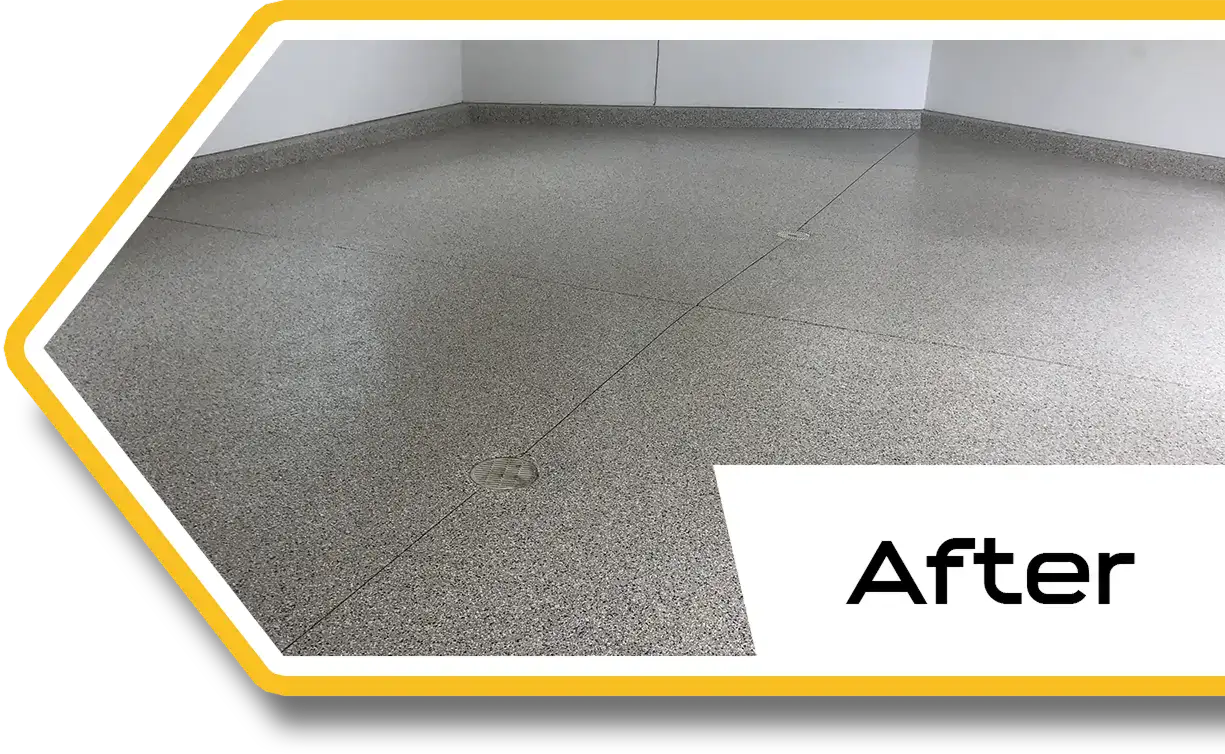
From there we match the chemistry to the area. Epoxy build coats give retail and stockroom floors a hard, impact-tough base. A polyaspartic or polyurethane topcoat adds abrasion and UV resistance and brings a zone back into service fast. Seamless resinous systems handle the wet and chemical-heavy spots. Every area gets one bonded, non-porous surface instead of a slab that keeps absorbing the day.
- Abrasion resistance from epoxy build coats and polyaspartic topcoats, the property that keeps grit and cart wheels from grinding the finish away. [ASTM D4060]
- Slab moisture matters, so on damp or below-grade slabs we recommend testing with recognized ASTM methods before coating, so vapor drive does not blister the floor later. [ASTM F2170 · F1869]
- Stain and chemical resistance to the spills a business actually sees: coffee, soda, cleaners, oils, and road salt off the parking lot. [Sherwin-Williams · Sika]
- Fast return to service with polyaspartic systems that take light traffic in hours, so a coated zone reopens without closing the business. [Manufacturer cure data]
How it works
From your first call to the final coat
We map the whole job before we touch the floor, then phase the work around your production.
- Free Quote(877) 376-9965No-cost on-site assessmentGet my quote
Call or Contact Us
Tell us about your facility and timeline.
- Walk-through
- Sales floor
- Stockroom
- Break room
Consultation
A free walk-through and a per-area floor spec.
- Slab PrepProfiledDry & sound
Preparation
Slab profiled and confirmed dry before coating.
- Sealed
Installation
Seamless system installed, phased around your hours.
Standards & specifications
Built to the standards a commercial floor is held to
We do not claim certifications we do not hold. We install systems that can be specified to meet the requirements that matter to a working business, and we name the standards behind them.
Slip resistance (wet)
For interior areas walked on when wet, the recognized benchmark is a wet dynamic coefficient of friction of 0.42 under ANSI A326.3. We broadcast aggregate into entries, break rooms, and wet zones to hit it, and stay honest that no floor is ever fully slip-proof. [ANSI A326.3]
Abrasion resistance
Coating durability under traffic is measured by Taber abrasion (ASTM D4060), reported as weight loss in milligrams with a CS-17 wheel. We specify epoxy build coats and polyaspartic topcoats chosen for low wear in high-traffic areas. [ASTM D4060]
Slab moisture testing
On damp, low, or below-grade slabs we recommend testing before coating with in-situ relative-humidity probes (F2170) and/or anhydrous calcium-chloride MVER (F1869), the recognized methods, so trapped moisture does not blister the floor. [ASTM F2170 / F1869]
Walking-working surfaces
A seamless, drainable, easy-clean floor supports the clean, dry, hazard-free walking-working surface OSHA general industry rules require, and removes the cracks and ponding that create trip and slip hazards. [OSHA 1910.22]
Food-contact & sanitary options
For break rooms, cafes, and prep areas, we can specify products that carry third-party food-safety credentials such as NSF/ANSI 52 listing, with integral cove base where hygiene rules apply. [NSF/ANSI 52]
Striping-ready surface
A hard, sealed topcoat that is ready to take OSHA safety-color aisle and hazard striping and hold it without lifting, so the lines a facility lays down last instead of wearing off bare concrete. [OSHA 29 CFR 1910.144]
We install products that carry food-safety credentials and specify systems that can meet NSF, USDA, and FDA requirements where a business needs them. We do not market Jersey Epoxy as certified, because those certifications are issued to products and facilities.
Benefits
A properly specified commercial floor pays for itself in upkeep and uptime
Stands Up to Traffic
Epoxy build coats and polyaspartic topcoats resist the abrasion and impact of foot traffic, carts, and pallet jacks where bare concrete dusts and wears.
Easy to Keep Clean
A seamless, non-porous surface with no grout lines means spills wipe up and the floor mops down fast, cutting daily cleaning time and cost.
Stain & Chemical Resistance
The coating blocks coffee, soda, oils, cleaners, and road salt from soaking into the slab, so the floor stays presentable instead of permanently marked.
Slip Resistance When Wet
We broadcast anti-slip aggregate into entries and wet areas, targeting the ANSI A326.3 wet benchmark so customers and staff stay on their feet.
A Look That Sells
Decorative flake and metallic finishes give retail and showroom floors a clean, branded appearance that also hides the wear of a busy day.
Minimal Downtime
We phase the work area by area and use fast-cure systems where a zone has to reopen quickly, so the floor job does not close the business.
Recommended systems
The systems we reach for in a commercial space
Curated for working businesses. Explore the chemistry behind each.

Epoxy Flooring
A hard, high-build, impact-tough base for showrooms, stockrooms, and sales floors that take traffic and the occasional dropped load.
Explore system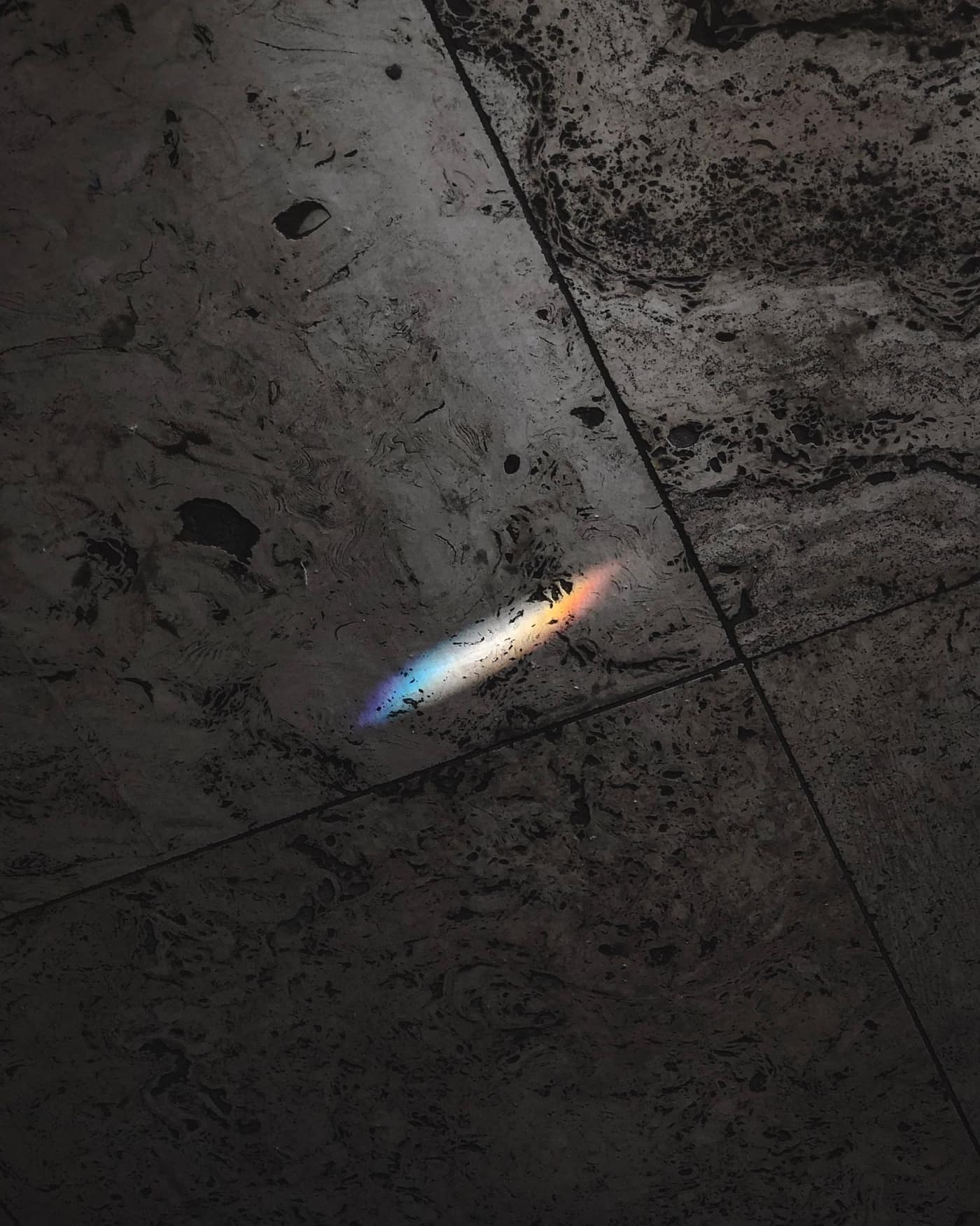
Resinous Flooring
Seamless, chemical-resistant, and non-porous: the system for break rooms, cafes, wet areas, and anywhere hygiene matters.
Explore system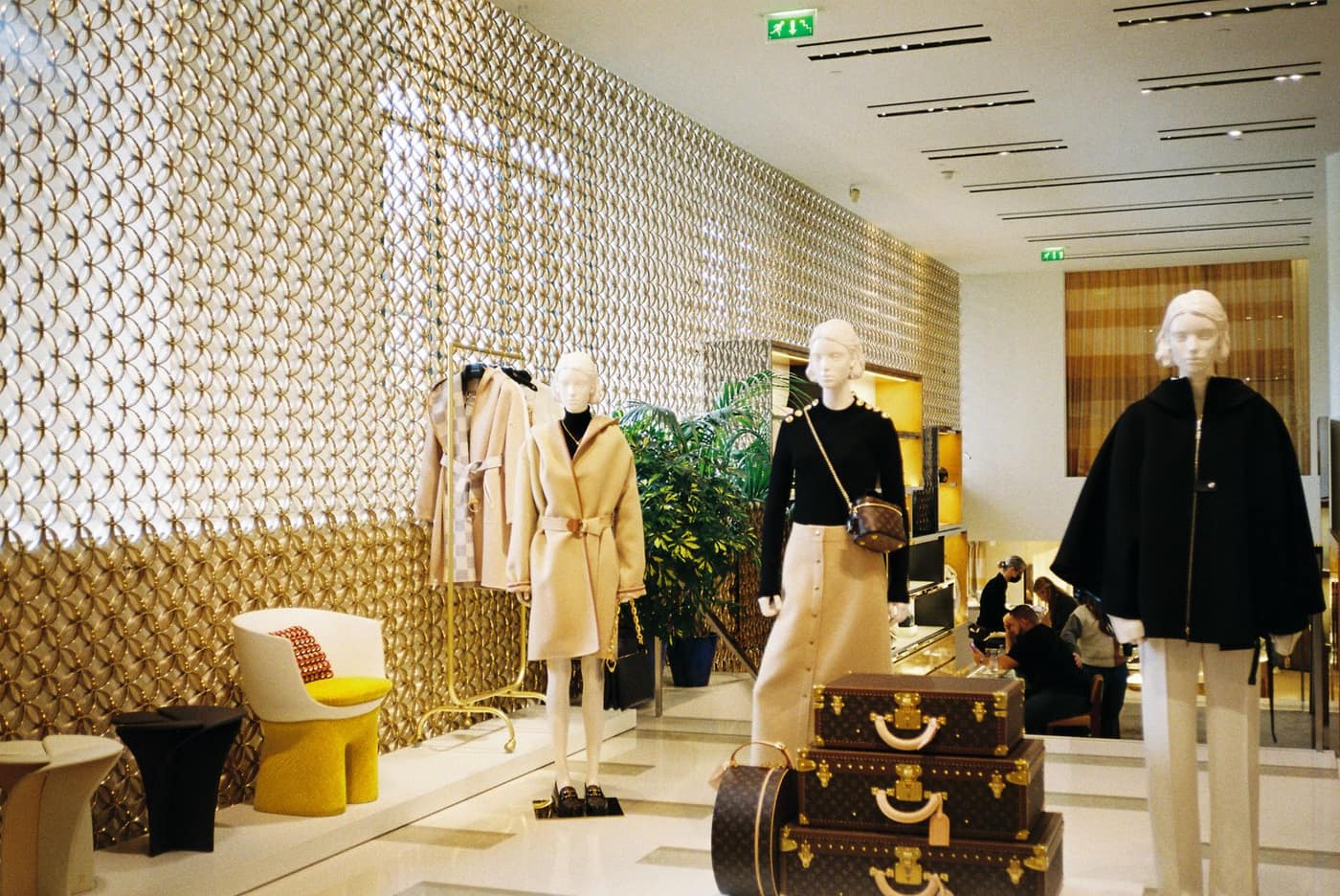
Flake Epoxy
Decorative, durable, and slip-tunable: a retail-ready finish that hides wear and stands up to constant foot traffic.
Explore systemProudly Serving New Jersey & Eastern PA
Our crews are on the road daily. Select your region to see our coverage.
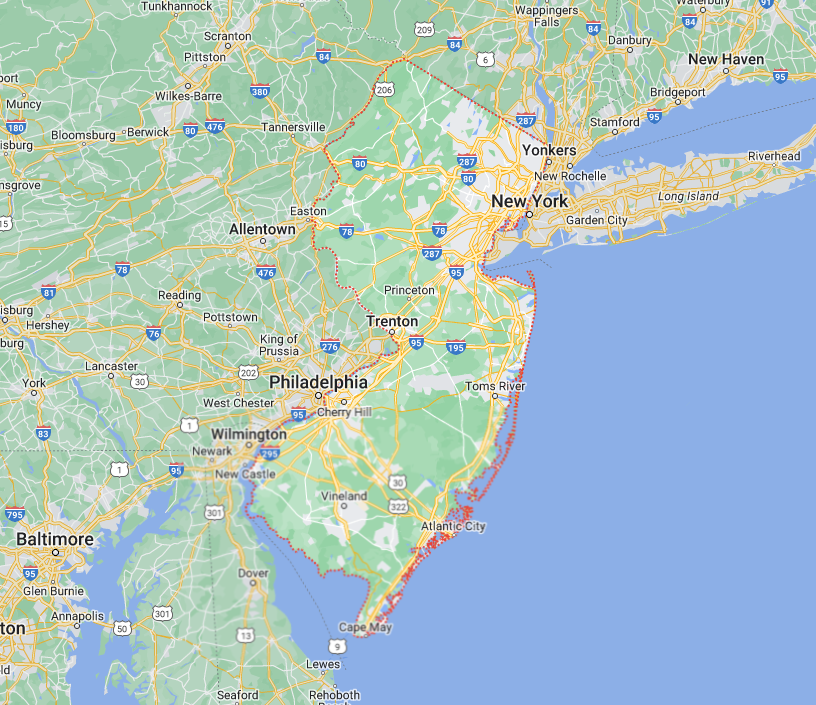
New Jersey
Statewide Coverage- Monmouth & Ocean County
- Bergen & Essex County
- Middlesex & Mercer County
- Atlantic & Cape May County
- Morris & Somerset County
FAQ
Commercial flooring questions, answered straight
Can you install while we stay open?
In most cases, yes. We phase the work area by area and run off-hours and overnight where it helps, then use fast-cure polyaspartic systems so a coated zone takes light traffic in hours and reopens without shutting the whole business down.
How long will a commercial epoxy floor last?
A properly prepped and specified system holds up for many years under daily traffic. Life depends on the prep, the system chosen for the area, and how the floor is maintained, which is exactly why we grind, confirm the slab is dry, and spec each zone for the wear it actually takes.
Will the floor be slippery when wet?
We broadcast anti-slip aggregate into entries, break rooms, and wet areas, targeting the ANSI A326.3 wet DCOF benchmark of 0.42, and tune the texture so the floor still cleans easily. No wet floor is ever fully slip-proof, and we are straight about that.
Can it handle forklifts and pallet jacks in the back?
Yes. For stockrooms and light warehouse areas we specify high-build epoxy systems chosen for point-load and impact resistance, so pallet-jack wheels and dropped freight do not chip and gouge the surface.
What finishes can we choose for a customer-facing floor?
Sales floors and showrooms can carry decorative flake or metallic finishes in a range of colors that look sharp, reflect light, and hide the wear of a busy day, while back-of-house areas get the heavy-duty seamless systems.
Why not just paint the concrete?
Floor paint sits on top of the slab and wears off under traffic and tires. A coating system is diamond-ground into an open profile and bonded to the concrete, then built up and topcoated, so it resists abrasion, chemicals, and impact instead of peeling.
Get started
Let us spec a floor that holds up to your business
Free on-site assessment, honest per-area recommendations, and a precise quote. Phased around your hours so you never go dark.
(877) 376-9965 · talk to an installerRated 5 stars by New Jersey homeowners & businesses
Powered by Google
 No Obligation