

So you’re looking to transform your garage into a stylish, durable, and easy-to-clean space? Garage floor epoxy might be the solution to achieving the garage of your dreams. Once you’ve decided to upgrade your floors with an epoxy coating, you’ll need to determine whether you want to hire a team of professionals or DIY. However, there are factors to consider before making a decision.
In our blog below, we’ll discuss the differences between epoxy garage flooring DIY vs. pro in hopes of assisting you in your decision-making process when making such a significant home improvement addition.
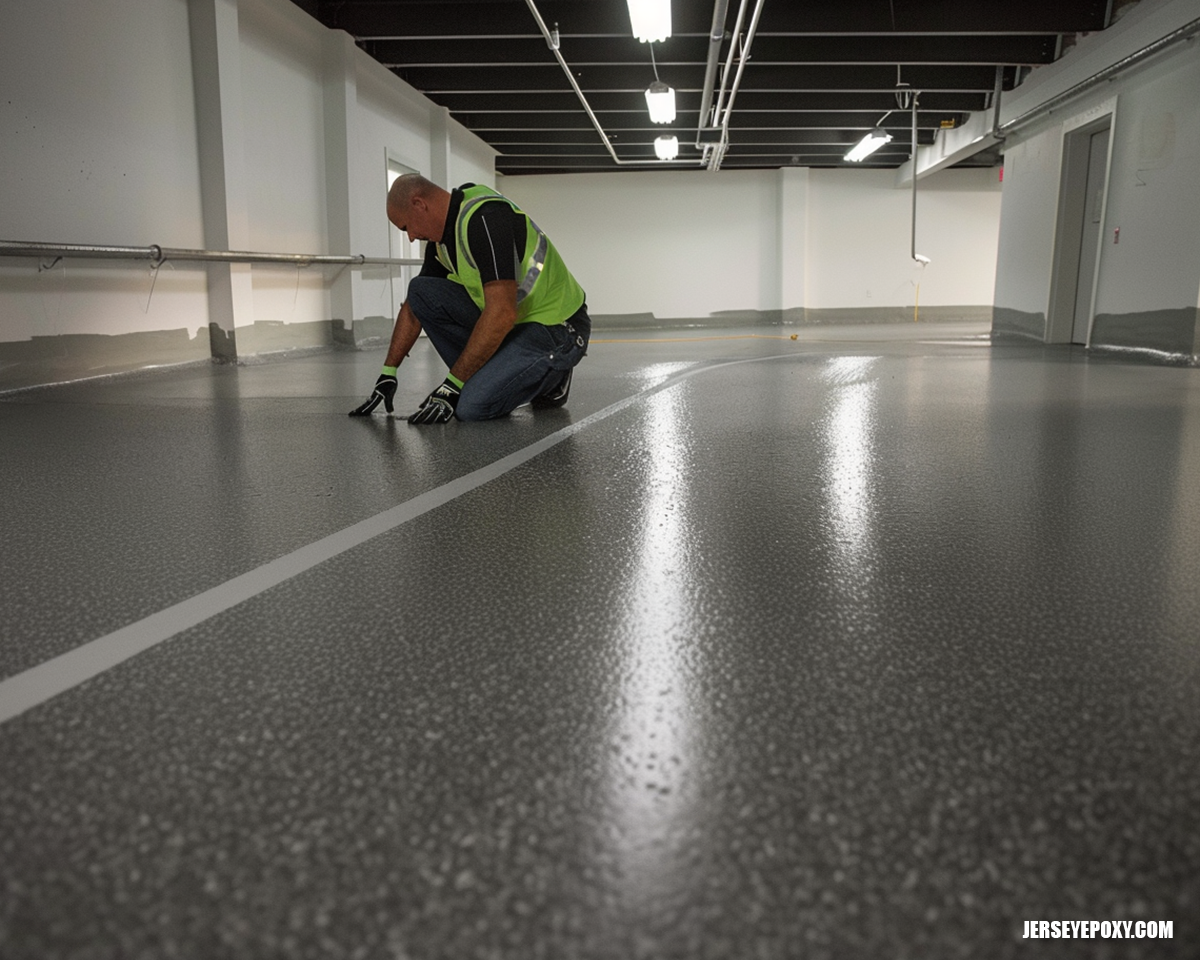
The Difference Between Epoxy Garage Flooring DIY vs. Pro
Perhaps you’ve been researching epoxy flooring and are wondering if you should DIY (do it yourself) or use a professional.
DIY
DIY garage floor epoxy involves using a box kit containing enough epoxy to remodel a two-car garage floor with a floor coating of around five mils. You would hand pour the epoxy from the kit and lightly coat it using vinyl chips.
Professional Installed Epoxy
With professionally installed epoxy, you’ll receive a much thicker floor coating, around fifteen to thirty mils, around three to six times thicker than you would receive when opting for the DIY approach. Professionals bring training and knowledge with their team to pour the epoxy coating to fill the space. Lastly, once they have applied the epoxy coating, a professional will apply a sealant to protect the epoxy coating.
The seven main differences between DIY vs. pro epoxy flooring are:
- Concrete Preparation
- Precision of Layers
- Installation Times
- Coating and Thickness
- Durability
- Price Difference
- Traction & Appearance
Additionally, professionals will use high-quality equipment to clean and prepare your concrete floors when installing epoxy. In contrast, DIY garage floor epoxy relies on mild acid etching to prepare your concrete floors for adequate installation.
1. Concrete Floor Preparation
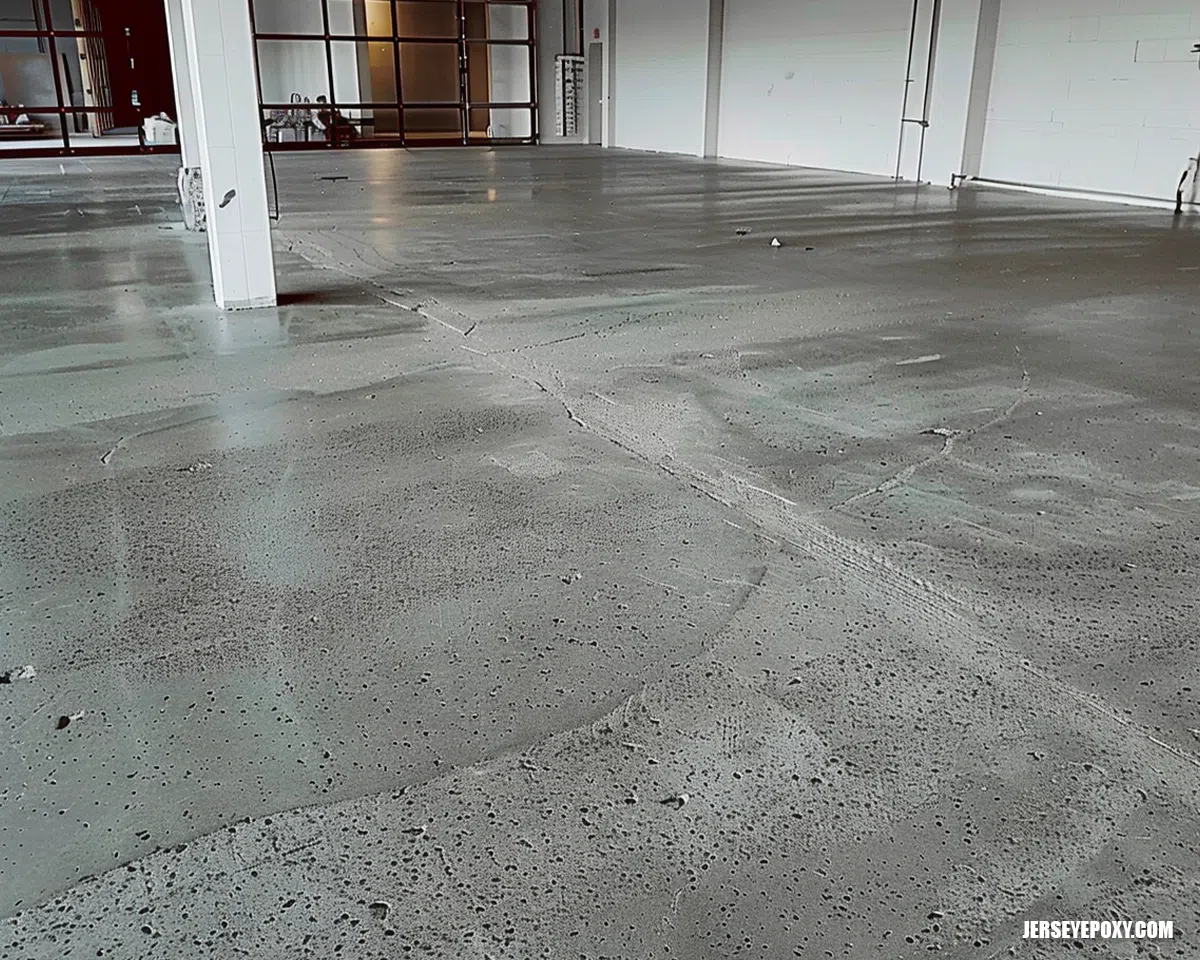
One of the most significant differences between epoxy garage flooring DIY vs. pro is how the individual prepares the concrete flooring. Epoxy coatings adhere to concrete more efficiently when cleaned prior.
Professional
A professional epoxy installation team will use a floor-built diamond grind that grinds off the top layer of the garage floor, leaving a rough, exposed surface.
A Floor-built diamond grinder is a great piece of equipment used for removing the surface of a painted or contaminated concrete floor down to the bare concrete so that epoxy material can adhere seamlessly with the concrete. In some cases, a professional team may use a shot blaster instead of a diamond grinder.
DIY
With DIY epoxy garage flooring, homeowners need more equipment to achieve these results, so they must use acid etching, which involves using mild industrial acid that dissolves before cleaning the concrete floor. When used, acid etching leaves your concrete floors more porous than their original condition but leaves out roughing, as commonly used by professionals.
2. Precision of Epoxy Layers
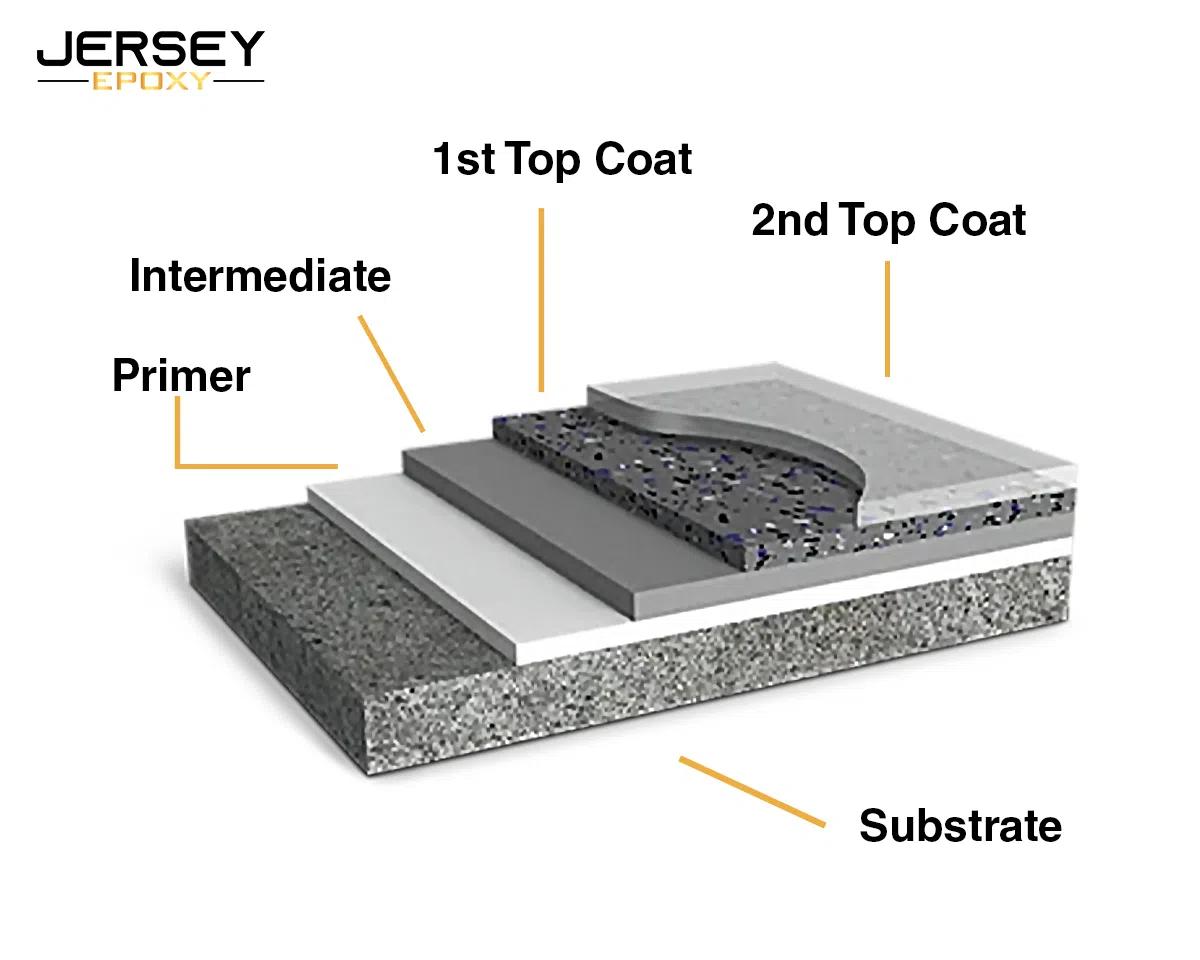
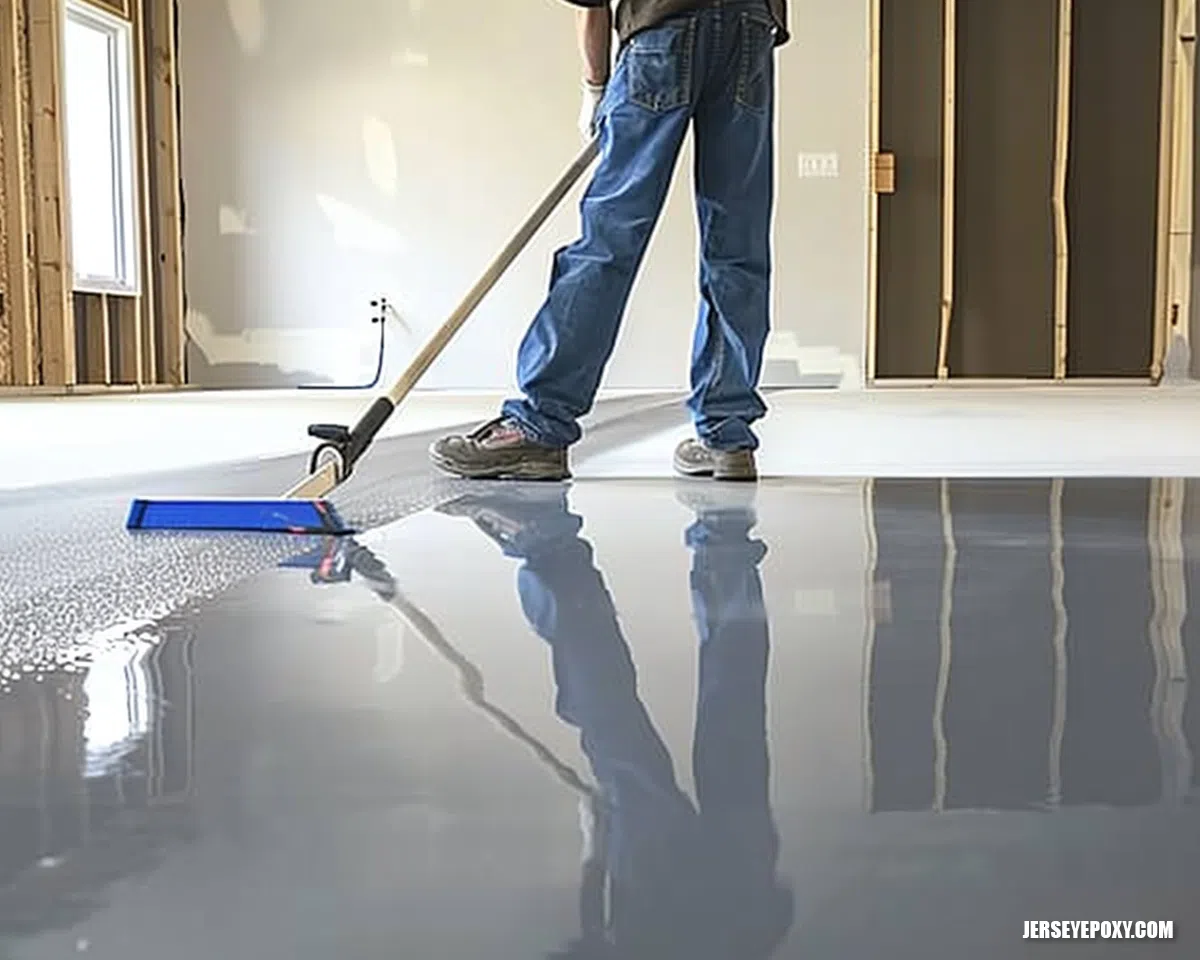
The next noticeable difference between epoxy garage flooring DIY vs. pro is the precision with which the individual applies the epoxy coating. Applying an epoxy coating is similar to creating a new concrete slap rather than just painting over a surface. Epoxy coating layers are back-rolled and squeegeed to give the homeowner a smooth coating.
When applying, it’s essential to ensure the epoxy floor coating is smooth, even, flat, and level to avoid costly damages.
Professional
When using a professional, their team has the proper knowledge and equipment to apply an even coating on your garage flooring.
DIY
While the homeowner may still see a smooth surface when using a DIY approach, you most likely can notice the difference in quality. Every DIY home improvement project is a learning experience. Regarding garage epoxy flooring, this is one project you may want to leave up to the professionals if you’re on a budget and can’t afford mistakes.
3. Installation Times
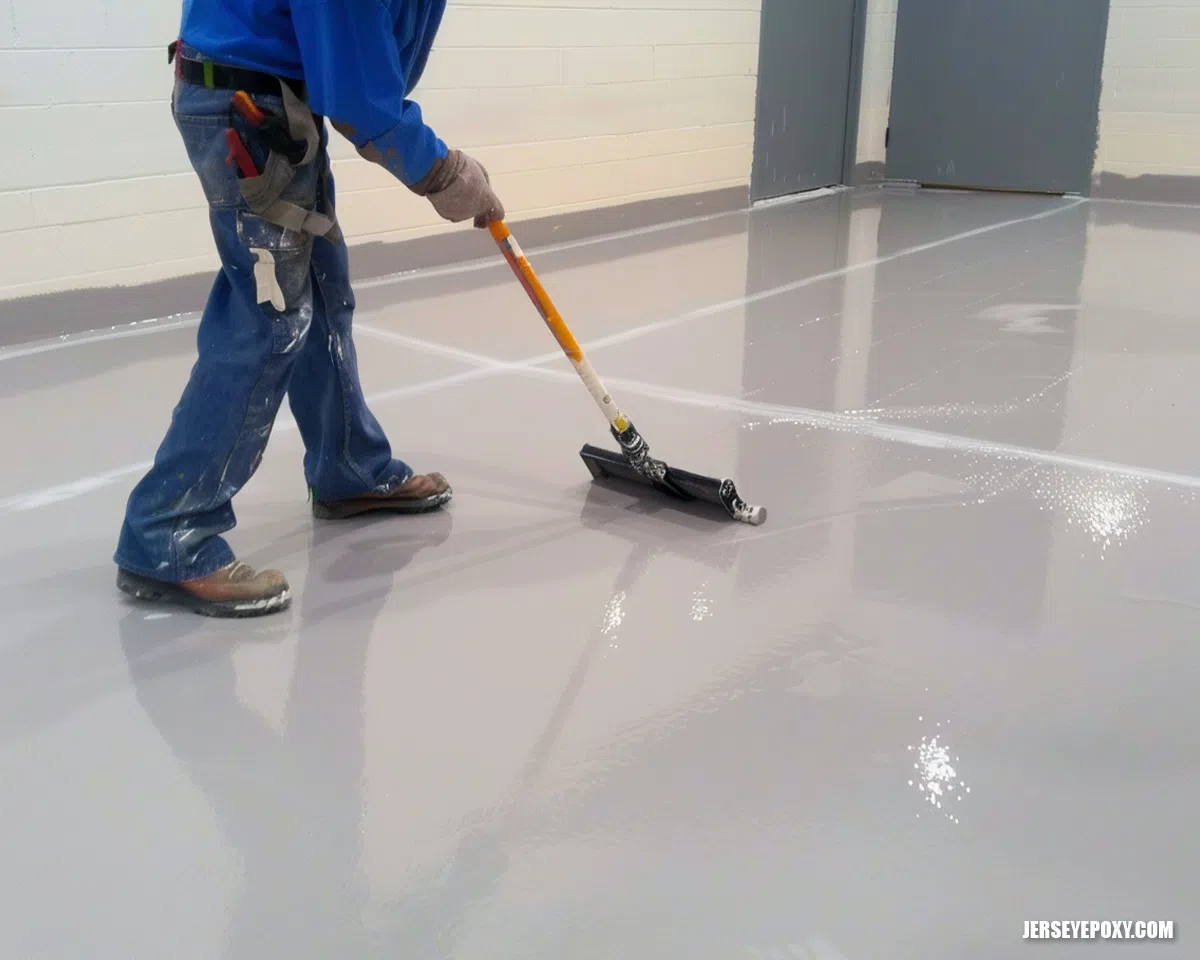
Installation times also depend on which method you use for your garage epoxy flooring installation.
Professional
Ideally, a professional team can install an epoxy floor for around five to eight hours, depending on the condition of the concrete floors. At Jersey Epoxy, we provide one-day services to install an epoxy garage floor.
DIY
If you decide to use the DIY method, be prepared to dedicate plenty of time to the project if you’re new to epoxy flooring. Most homeowners lack efficient experience installing an epoxy floor compared to a professional team, so most DIY epoxy floor improvements may take a weekend or longer. Once set, for both methods, an epoxy coating needs around seven days to cure fully and at least two days before it can tolerate foot traffic.
4. Floor Coating & Thickness
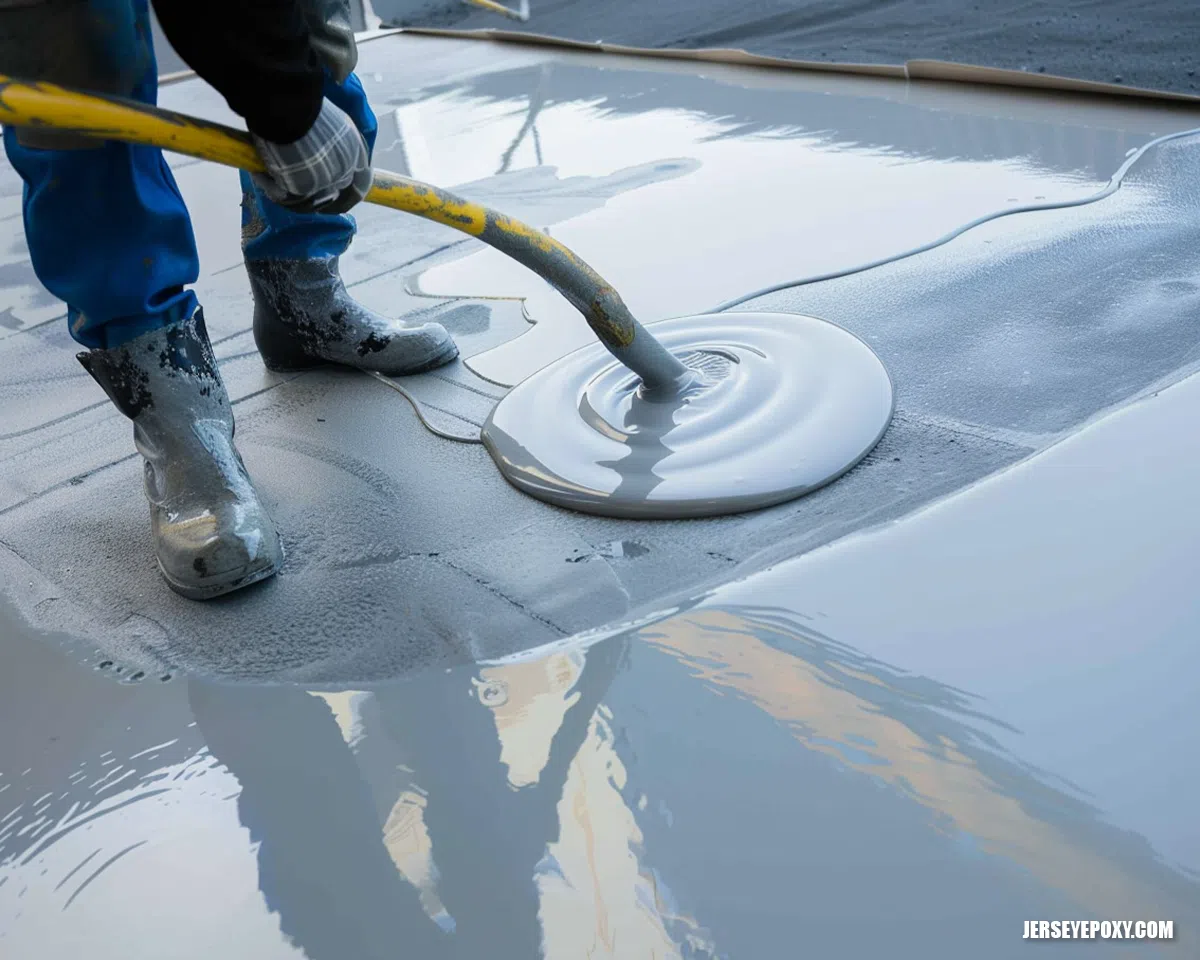
Another essential difference between epoxy garage flooring DIY vs. pro is the thickness in which the individual applies the epoxy coating. With each method, there’s a significant gap between thickness.
Professional
Using a professional team to install epoxy garage flooring has no limit on thickness when using epoxy coatings. Professionals use as much epoxy coating and filling as necessary to complete the job efficiently. With a fifteen to 30 mil thickness, you’ll receive a resistant epoxy garage floor that is durable and long-lasting.
DIY
With DIY kits, these coatings come in two-car garage kits ready to apply; however, there’s still not enough to make significant changes to the thickness of the garage flooring. Per kit, you’ll receive approximately two layers of thickness. Even with one-car garage kits, you’ll receive limited thickness.
5. Long-Term Durability
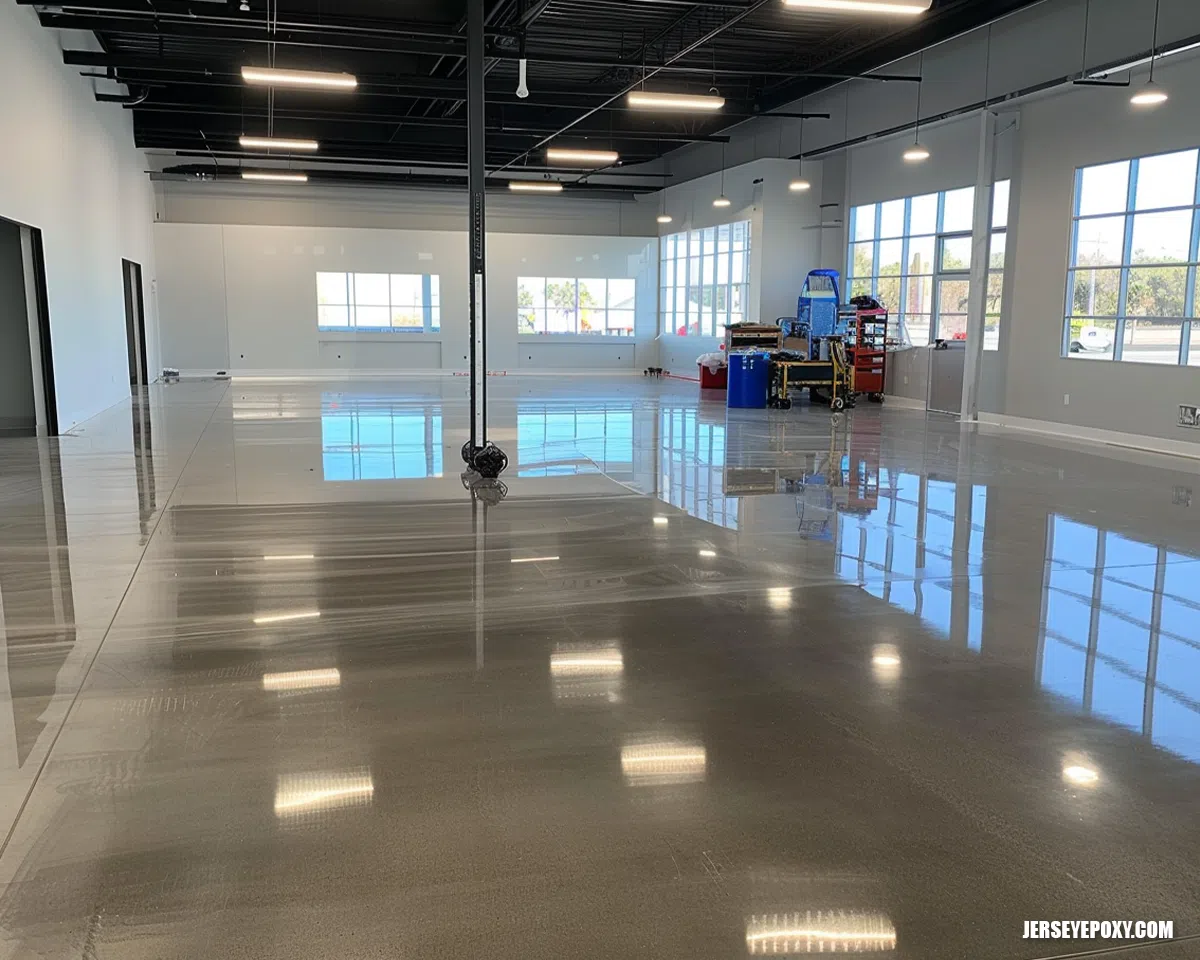
For proper bonding, your concrete floors must be rough and clean. The thickness of the epoxy garage flooring also determines how durable your floors turn out. With these factors, one can only see why DIY projects have less lifespan.
Professional
When using a team of professionals, your epoxy garage flooring can last more than twenty years because of the top-notch equipment used, such as grinding or shot-blasting. In the long term, the durability of your epoxy garage flooring matters because when misapplied, you’ll need to thoroughly remove the old epoxy if you’re planning to reinstall a new layer.
DIY
When using the DIY method, you can expect your epoxy garage floors to last anyone from one to five years, whereas using a professional will give you an epoxy floor that lasts up to twenty years! Some factors determine its durability and appearance. One of the first questions is, “Did the first layer of epoxy adhere to your concrete floors correctly?”
Many homeowners mention that DIY epoxy garage flooring looks great for up to two years. Still, afterward, they notice peeling and deterioration due to the surface being too smooth from improper bonding.
6. Price Difference

Professional
Using a team of professionals is worth the investment to ensure an accurate completion. Additionally, you’ll receive one-day services, extended warranties, a team of dedicated, trained professionals, and a durable, long-lasting floor that will last for years!
DIY
One of the primary reasons people use DIY kits is because of the price difference. It’s a no-brainer to know that DIY is cheaper than using a team of professionals; however, cheaper doesn’t always mean better.
7. Traction & Appearance
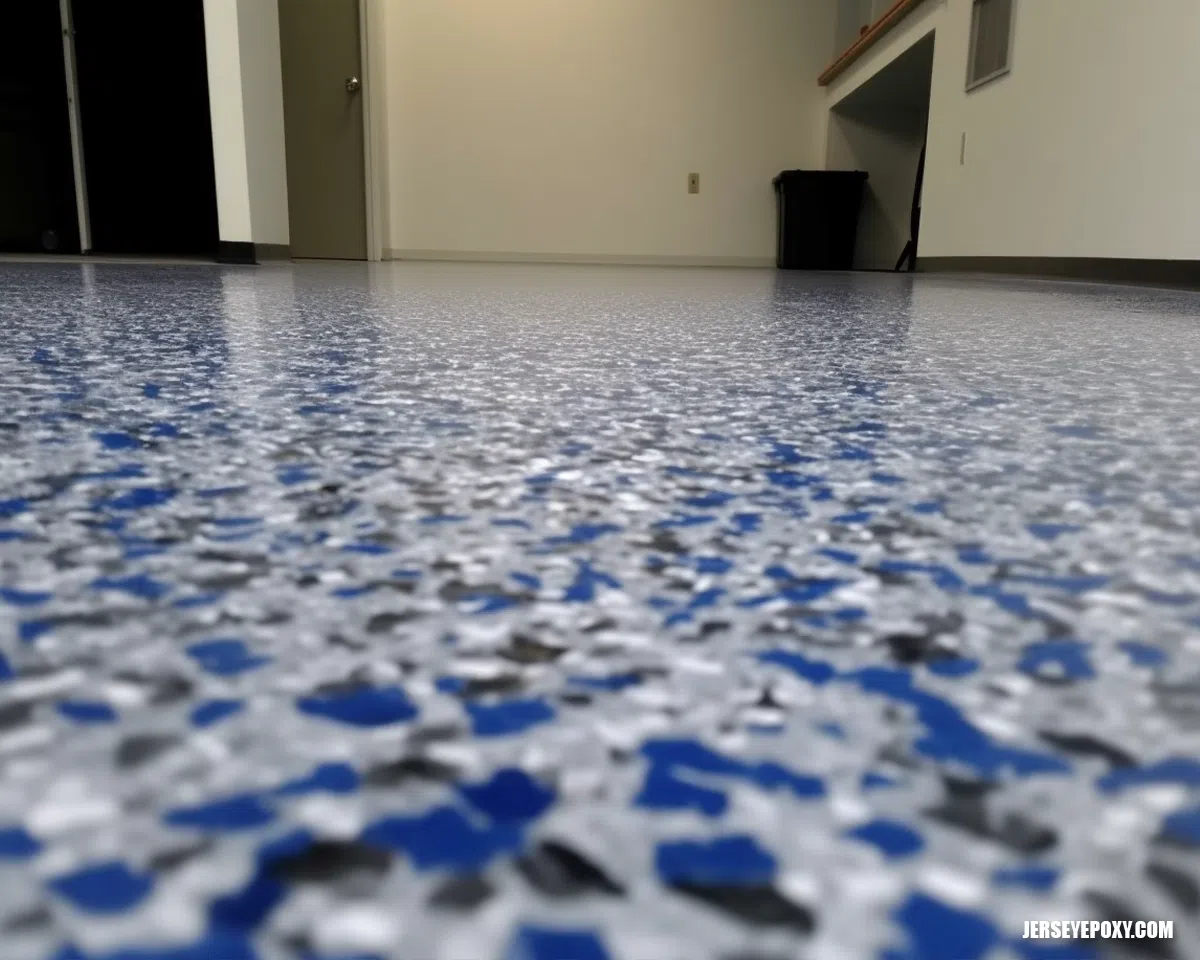
Lastly, one of the most significant differences between epoxy garage flooring DIY vs. pro is the traction and appearance of your floors.
Professional
When using a team of professionals, you’ll receive a wide choice of chips and colors, with the option of choosing a color base and floor chips. Additionally, professionals have a larger supply of traction chips and the proper knowledge of techniques to apply them. With these beneficial techniques, you’ll receive thicker coverage with plenty of traction.
DIY
When using a DIY kit, you’ll receive predetermined colors, with a bag of flakes to add traction and a decorative appearance. However, it’s essential to note that DIY kits include these flakes to mask the imperfections of your floors.
Jersey Epoxy Can Take Care of Your Epoxy Garage Flooring Needs!
Are you ready to transform your garage into a functional and stylish space? Contact Jersey Epoxy today for a professional epoxy application that can installed in as little as one day. Let’s work together to revamp your garage.!
Explore Jersey Epoxy’s service areas and discover our additional epoxy flooring options. With Jersey Epoxy flooring, you’re only one step closer to having the garage of your dreams!

Can You Install Epoxy in a Condo Garage Floor in Winter?
When you manage a condo complex or a multi-unit property in New Jersey, maintaining shared
Read More »
Common Interior Concrete Floor Finishes
When it comes to upgrading your home’s floors, concrete isn’t just for basements and garages
Read More »
Do Polyaspartic Floor Coatings Cure Faster in Cold Weather?
When winter rolls into New Jersey, many homeowners and property managers assume that floor coating
Do Polyaspartic Floor Coatings Scratch Easily?
Do Polyaspartic Floors Scratch Easily? | Jersey Epoxy Do Polyaspartic Floor Coatings Scratch Easily? In

Benefits of Adding a Pool Deck Texture
Benefits of Textured Pool Deck Coatings | Jersey Epoxy Benefits of Adding a Pool Deck

Cool Deck Ideas for Pool Areas
Cool Deck Ideas for Pool Areas | Jersey Epoxy Cool Deck Ideas for Pool Areas