

In previous blogs, we wrote of the miracle material known as epoxy. The official scientific definition of this ‘miracle mixture’ of epoxy and hardener is ‘a thermoset plastic material created by the reaction of two chemical compounds.’ The strength and strong adhesion of epoxy resin makes the material very useful for both consumer use and the manufacturing industry to create adhesives (glue), plastics, paints, coatings, primers, sealers, and flooring, and is used in a variety of building applications needing a solid bond for a variety of substrates such as concrete or wood. Epoxy resin can bond to wood, metal, glass, stone, and plastics. An epoxy floor coating is heat and chemical-resistant.
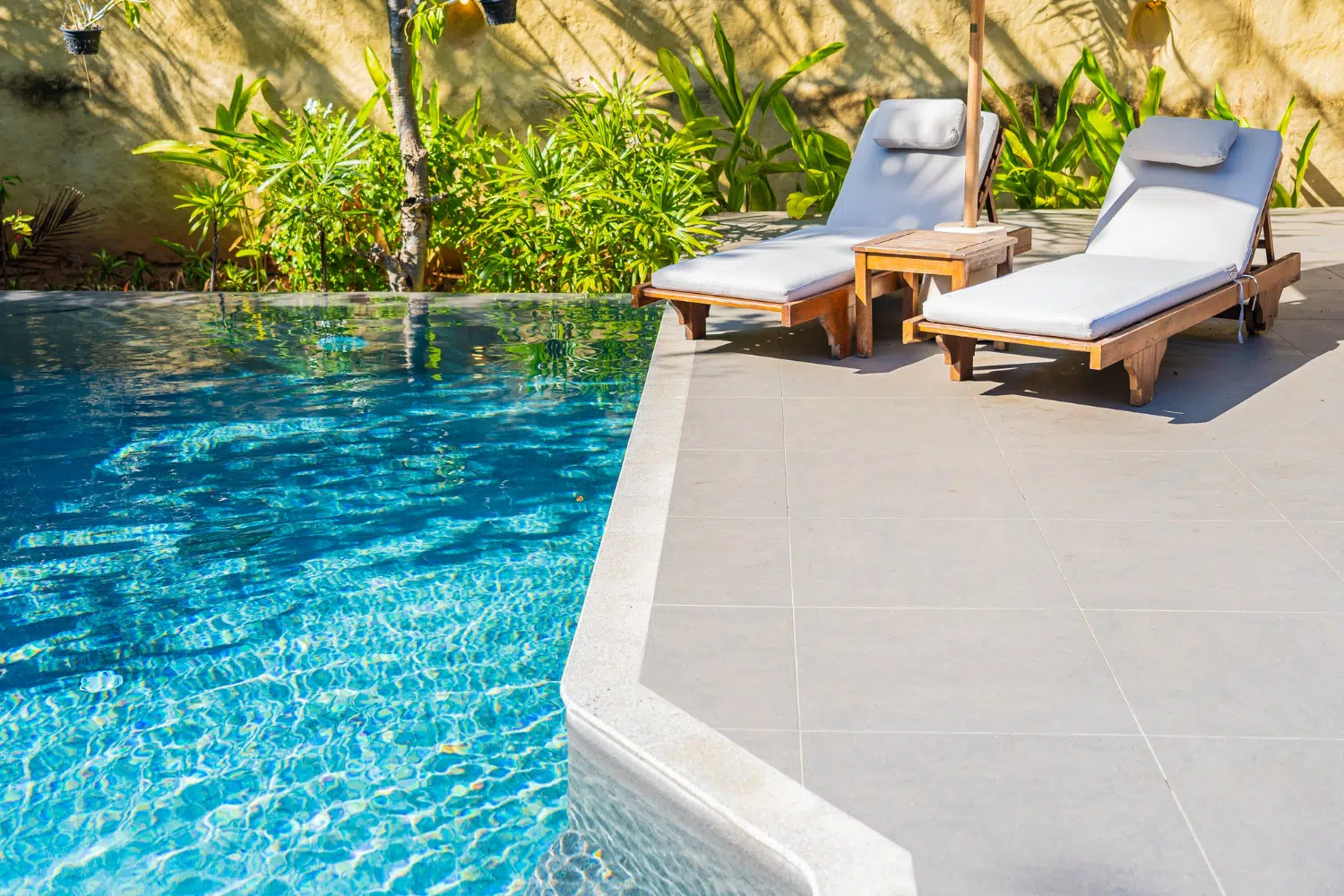
Diving Into The Pool, DECKS!
In a recent blog, Epoxy Garage Floors, Are They Worth The Cost, we wrote of how epoxy resin material is gaining popularity in enhancing the aesthetics of the garage space. In another blog, Top Ten Benefits of Epoxy Basement Flooring, we provided reasons why epoxy flooring can be beneficial in transforming the interior home foundation, known as the basement. In this blog, we want to walk to your backyard oasis with the above-ground or in-ground ‘swimming hole.’
A swimming hole is a term coined to define any natural, fresh body of water, such as a river, creek, or stream, found amidst the trees of a rural setting. Swimming pools are found amidst suburban lifestyles and come in varied shapes and sizes, with a well-defined shallow and deep end and a spring board for diving.
The suburban backyard swimming pool may have lights surrounding it for safe swimming at night, a fun slide to make a big splash when entering the pool quickly in the summer heat, and to add to the in-ground pool aesthetics, a manufactured waterfall might be found! Amidst all that surrounds the outdoor oasis of a backyard swimming pool, the aesthetics of the pool deck bring it all into glorious focus!
The criteria for choosing an aesthetically pleasing and practical deck material should include the following considerations:
- An anti-slip surface.
- A level, smooth surface.
- A heat-reflective surface for the hot summer days.
- Deck material resistant to mold, mildew, and harsh pool cleaning chemicals.
Indeed, there is the traditional deck material for the outside of a home, as traditional flooring is found in the interior of homes. Traditional pool deck material includes:
Wood Decks
A natural wood deck around the pool provides a ‘warmth,’ it is easy to cut and shape to the shape of the above-ground or in-ground pool and complements the natural yard landscaping. A durable wood deck also requires regular maintenance checks for cleaning, sanding, and sealing to keep the wood from rotting, warping, or splintering. Wood is prone to expand or contract depending on the outside temperatures, so getting the correct spacing between boards is vital. Sealed wood can be slippery.
Wood Composite Decks
A wood composite material has the feel of wood and is not likely to rot. They are less costly than natural wood but expensive depending on the brand and quality. Wood composite decks are resistant to moisture and insects. For the weight of such material, it may begin to sag. These decks are prone to scratches and fading and can be slippery when wet.
Concrete
Concrete is the most cost-effective of pool decks and is commonly seen around an in-ground pool. It can be poured into place or ‘stamped’ to mimic the appearance of stone, brick, or tile. It is low maintenance and can withstand cold, warm, or HOT temperature fluctuations! When summer temperatures are extremely hot, ‘OUCH’ to those walking on it with bare feet! Concrete can be customized in different finishes and colors and is exceptionally durable. Depending on the finish of the concrete, however, it can get slippery and susceptible to being chipped or cracked.
Flagstone
Flagstone has always been a popular stone choice for walkways, a patio, or a pool deck. Due to its texture, flagstone generally provides a non-slip surface. It is of high density and low porous, so such stones work well in areas with much sun. While it can withstand extremes of temperature, the stones will feel hot if standing barefoot. Flagstone is abundant in nature and inexpensive but requires intensive time and labor to install the varied shapes into a pleasing design.
Tile Decking
Tile decking is popular for its durability, varied colors, and styles. It is resistant to moisture, stains, mold, and mildew but slippery when wet. The grout between the tile requires regular cleaning maintenance. Pool decking with tile is undoubtedly attractive but subject to cracking if a heavy object falls on it.
Value of An Epoxy Pool Deck Coating
Despite the attractive traditional deck material, it is time to ‘take the plunge’ and consider 21st-century pool deck aesthetics and durability with epoxy pool deck paint resurfacing or epoxy clear coat sealers to protect concrete pool decks.
The following are The 7 Benefits of An Epoxy Pool Deck Coating:
1. Easy Installation
Epoxy-coated pool deck painting is an ‘easy, one-day application’ when it is done by trained professionals, as found at Jersey Epoxy.
2. Aesthetic Appearance
Pool deck resurfacing with epoxy provides homeowners with a variety of colors, patterns, and finishes to choose from, bringing new elegance and style to the backyard pool.
3. Durable and Water Resistant
While an epoxy pool deck coating is not entirely waterproof, an epoxy floor around the pool repels water and prevents water from seeping into the underlying concrete surface, which preserves the concrete from cracking. As with all epoxy resin coatings, it can’t get scratched, cracked, or stained, nor will the color fade. It will enhance a pool deck’s lifespan to ten years or more with simple maintenance of mopping and cleaning with soapy water. Do not worry about splishing and splashing when sliding into the pool, jumping from the diving board, or stepping off the pool deck.
4. Low Maintenance
An epoxy floor around the pool allows homeowners to spend more time in the cool pool rather than sweating it outside the pool doing the maintenance that traditional deck material requires.
5. Chemical Resistance
An epoxy-coated deck is protected from being damaged by harsh pool chemicals.
6. UV Resistance
While the original mixture of epoxy resin and hardener is not resistant to ultraviolet sunlight, such epoxy coatings are versatile as they allow for additives such as a urethane topcoat that will make the epoxy surface UV resistant and thus provide heat resistance that enables bare feet to walk comfortably.
7. Slip Resistant Safety
Neither concrete, wood decks, wood composite decks, or tile decks can offer the necessary anti-slip aggregate that is a part of the pool deck epoxy coating.
Contact Jersey Epoxy
The trained professionals of Jersey Epoxy are always available for consultation and to assess the best epoxy flooring for pool decks or other areas inside or outside the home. Be assured that Jersey Epoxy has the answer to any questions that come to mind.

Can You Install Epoxy in a Condo Garage Floor in Winter?
When you manage a condo complex or a multi-unit property in New Jersey, maintaining shared
Read More »
Common Interior Concrete Floor Finishes
When it comes to upgrading your home’s floors, concrete isn’t just for basements and garages
Read More »
Do Polyaspartic Floor Coatings Cure Faster in Cold Weather?
When winter rolls into New Jersey, many homeowners and property managers assume that floor coating
Do Polyaspartic Floor Coatings Scratch Easily?
Do Polyaspartic Floors Scratch Easily? | Jersey Epoxy Do Polyaspartic Floor Coatings Scratch Easily? In
Benefits of Adding a Pool Deck Texture
Benefits of Textured Pool Deck Coatings | Jersey Epoxy Benefits of Adding a Pool Deck
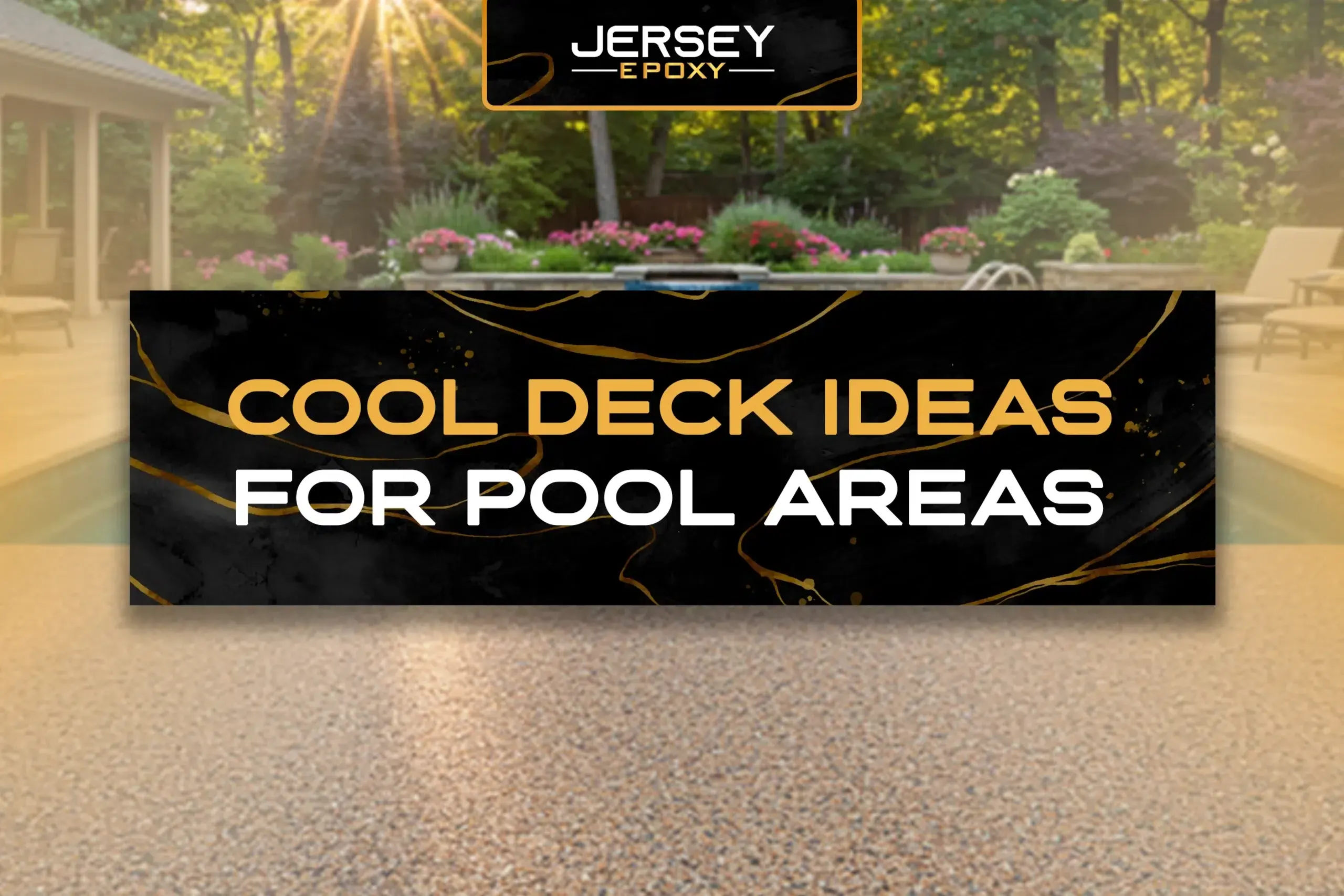
Cool Deck Ideas for Pool Areas
Cool Deck Ideas for Pool Areas | Jersey Epoxy Cool Deck Ideas for Pool Areas