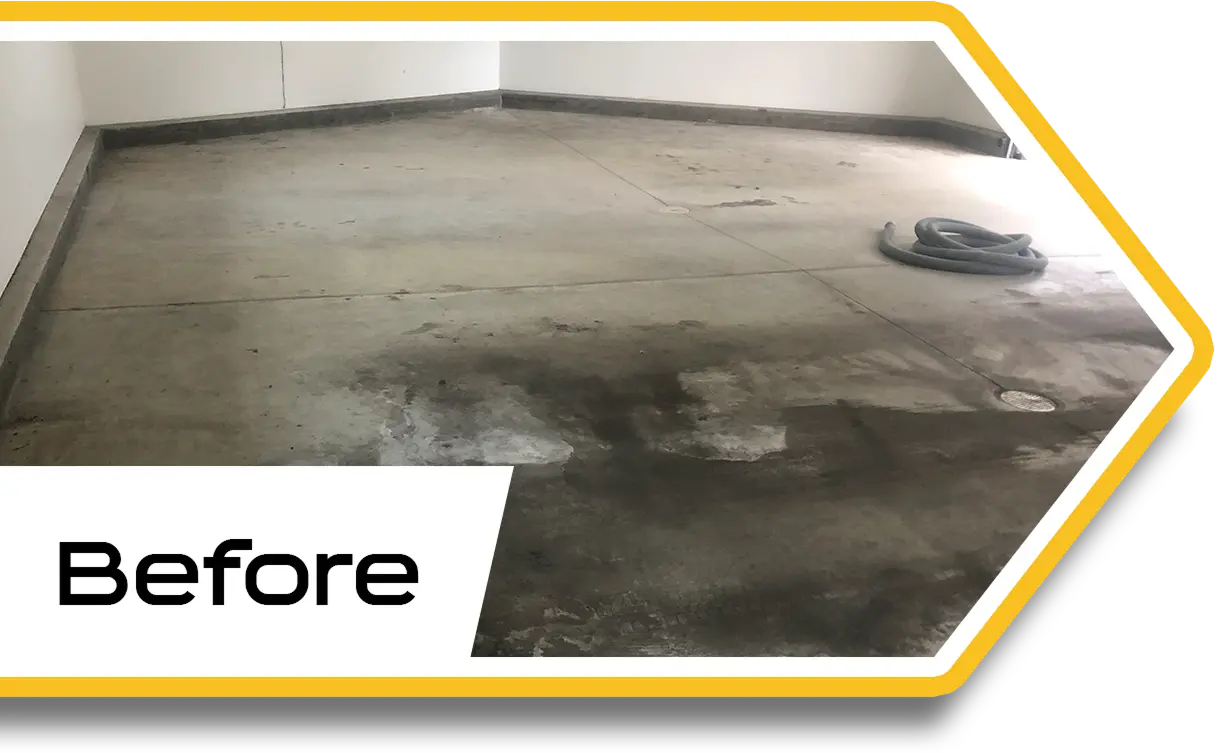
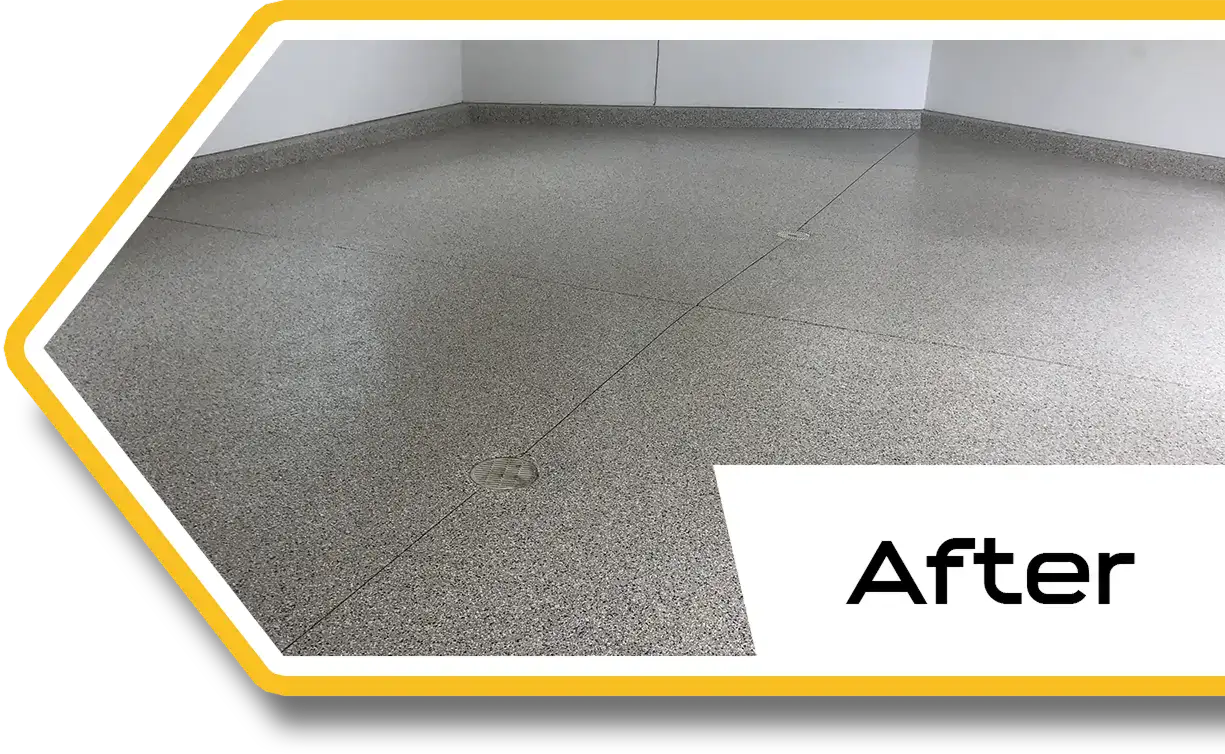
Commercial & industrial
Ocean County runs on the Garden State Parkway and the Route 9, Route 37, and Route 70 corridors, and its commercial floor work is as varied as the county is long. Lakewood anchors the north with one of the largest industrial parks in New Jersey, a deep base of manufacturing, distribution, and food production off Cedarbridge Avenue and New Hampshire Avenue, while the Route 9 logistics belt keeps pushing south. Toms River, the county seat, carries the retail and medical core around the Ocean County Mall and the Route 37 strip, and the shore economy from Seaside Heights to Long Beach Island fills the season with restaurants, marinas, and hospitality floors that take sand, salt, and a daily washdown. We coat warehouse and distribution decks, commercial kitchens, retail and auto floors, and medical suites across that range, sizing each system to its traffic and phasing the work around business hours.
Homes & garages
Ocean County holds one of the largest concentrations of active-adult communities in the country, from Holiday City and Silver Ridge around Toms River and Berkeley Township to Leisure Village, Crestwood, and the Renaissance communities in Manchester and Whiting, plus Greenbriar in Brick and Heritage Point in Barnegat. Those homes drive an enormous volume of garage floors, the single most common residential job we do here. The rest of the county is suburban single-family, through Brick, Jackson, Lacey, and Stafford, with newer subdivisions still going up fast in Lakewood and Jackson on clean slabs that take a low-prep flake or polyaspartic floor. Closer to Barnegat Bay, the lagoon and waterfront homes in Brick, Beachwood, and Forked River sit low with a high water table and a long flood history, so a moisture test is well worth doing and we use vapor-tolerant systems before any floor goes down.
Climate & the slab
New Jersey and eastern Pennsylvania put a slab through a hard yearly cycle. Winters bring 30 to 40 freeze-thaw swings and months of tracked-in road salt; summers stay humid enough to keep concrete sweating. Bare or painted slabs spall, dust, and lift at the joints under that load. A properly prepped epoxy or polyaspartic system seals the concrete against salt and moisture and moves with the temperature instead of letting go, which is exactly why we diamond-grind to profile and make sure the slab is dry and sound before any resin, and recommend a moisture test where a high water table calls for it.


 No Obligation